Trending
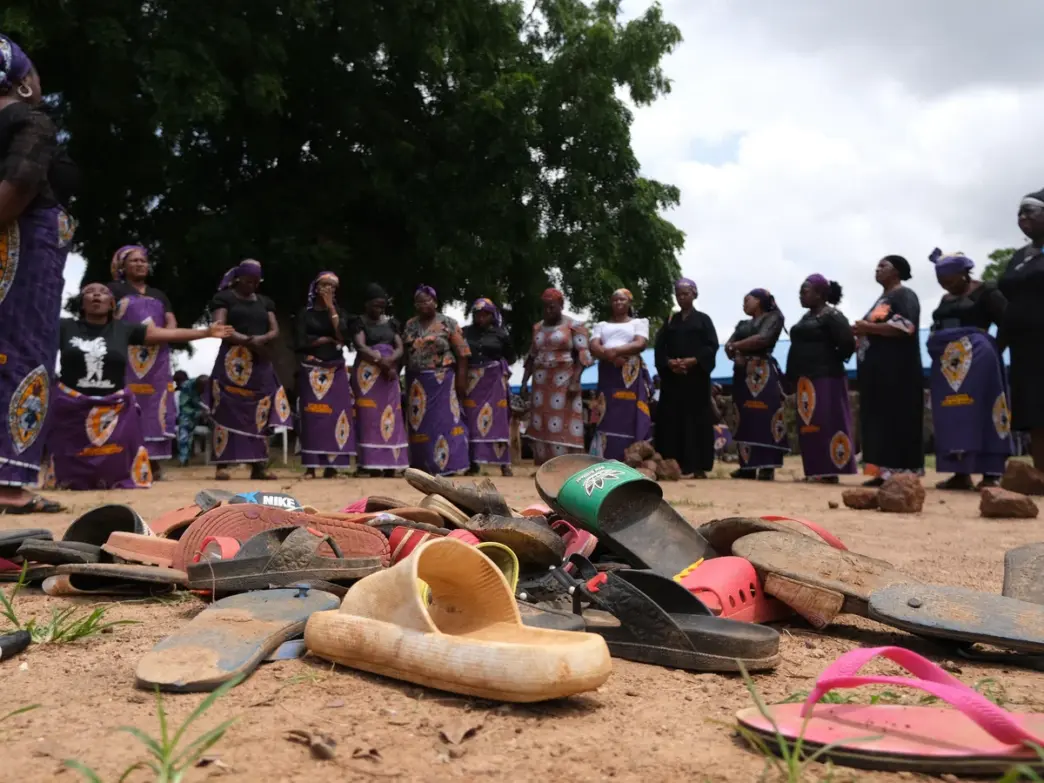
No fewer than 279 persons were kidnapped across Nigeria in May 2026, while 156 violent incidents resulted in 842 deaths.
The figures are contained in new data from Nextier’s Nigeria Violent Conflicts Database, according to a statement released on Sunday.
The data indicates a worsening security situation, with violent incidents rising by 51.5 per cent, casualties increasing by 90.1 per cent, and kidnappings climbing by 19.7 per cent compared to May 2025.
Read More : Tinubu Hails Modi’s 25-Year Leadership
The report comes in response to concerns that Nigeria’s peacebuilding interventions have not produced measurable impact, despite sustained investment by government and development partners.
In a policy article titled “The Travails of Measuring Peacebuilding in Fragile Contexts,” Nextier researchers Jamilu Musa and Dr. Chukwuma Okoli noted that while peacebuilding programmes are widespread, assessing their real impact remains difficult.
They argued that peacebuilding should be judged not by activities alone but by outcomes such as reduced violence, stronger trust, improved resilience, and greater social cohesion.
The experts linked the decline in global funding for peacebuilding to competing international crises, including the Russo-Ukrainian war and tensions in the Middle East, which have shifted donor attention.
They also cited shifting global economic priorities, including protectionist policies under US President Donald Trump, as factors affecting support for peacebuilding initiatives in countries such as Nigeria.
They identified four key indicators for assessment: conflict dynamics, social cohesion, governance and inclusion, and resilience or conflict prevention.
According to them, conflict dynamics track patterns of violence such as kidnappings and communal clashes, while social cohesion measures trust within communities.
Governance and inclusion examine public confidence in institutions and participation of vulnerable groups, while resilience assesses how communities prevent conflicts from escalating.
However, they noted that measuring peacebuilding outcomes remains difficult due to challenges such as attribution bias, poor baseline data, short funding cycles, and insecurity in conflict areas.
Read More : Spotify Expands Audiobooks to 180 Markets
To address these issues, they recommended tools such as outcome harvesting, perception surveys, social network analysis, and participatory monitoring and evaluation.
They also called for stronger collaboration among security agencies, humanitarian actors, and development partners, and for the adoption of standardised peace measurement frameworks.
The experts concluded that focusing only on activities is insufficient, stressing that the key question is whether interventions are actually making communities safer and more resilient.