Trending
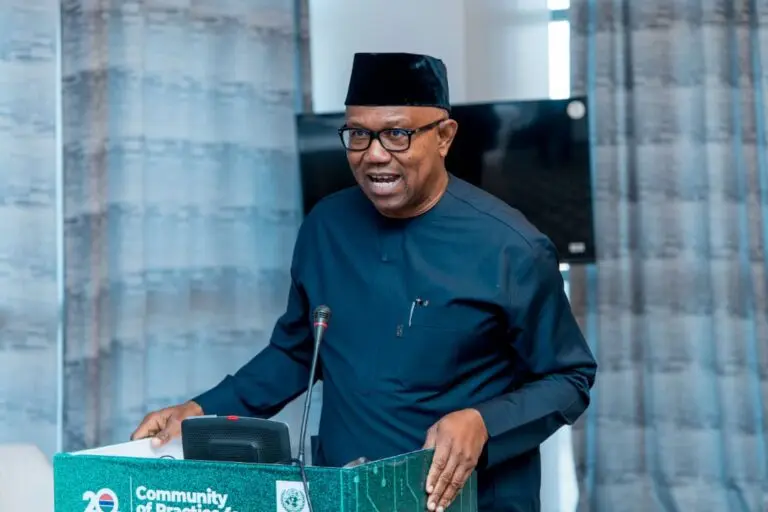
Peter Obi, the 2027 Nigeria Democratic Congress presidential candidate, has said the country’s cost-of-living crisis can be tackled in part by fighting government waste and corruption, as politicians jostle to lead Africa’s most populous country in January elections defined by the economy and security.
Obi, a former Anambra governor, spoke to AFP Tuesday evening in Abuja as campaigns get under way.
“We need to cut the cost of governance,” Obi said. “And fight corruption.”
That would also open up space and money for the government to focus on “health, education and lifting people out of poverty,” he said.
“You unite the country, secure the country, and put your resources in these critical areas. And you will see the difference.”
Obi has focused much of his campaign on security, which he said was linked to poverty.
“The more you pull people out of poverty, the more you reduce criminality,” he told AFP, calling for an increase in manufacturing jobs that have typically eluded Nigeria in recent decades.
After peaking at 21 percent in 1994, manufacturing’s share of Nigerian GDP fell to eight percent in 2025, according to the World Bank.
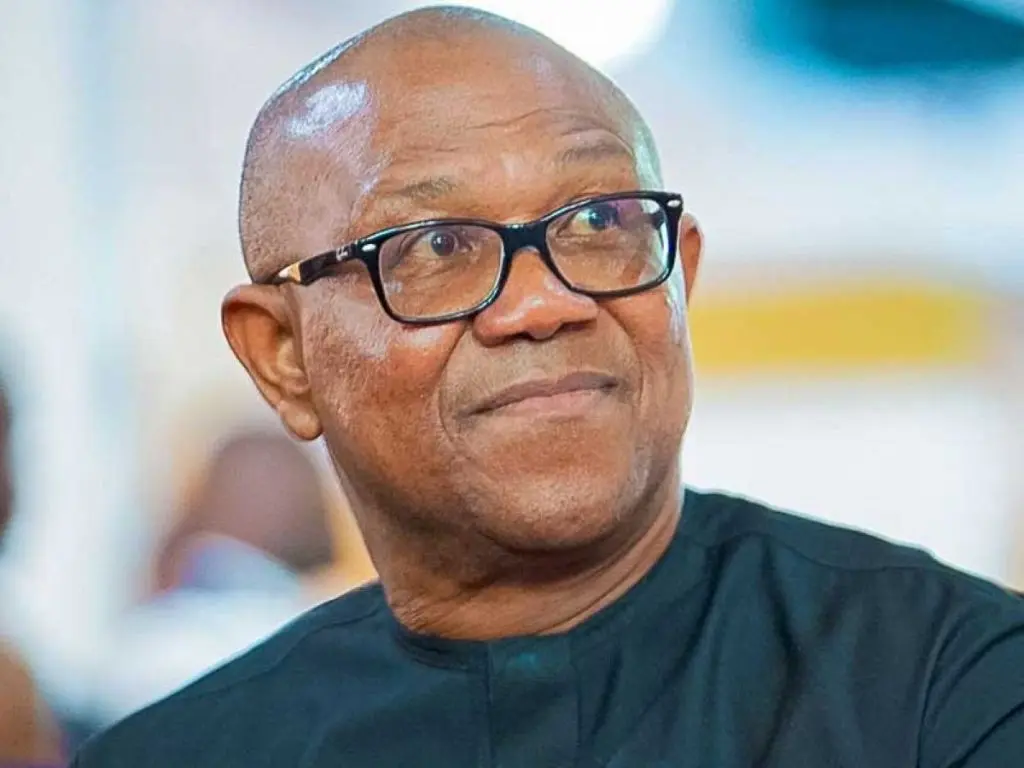
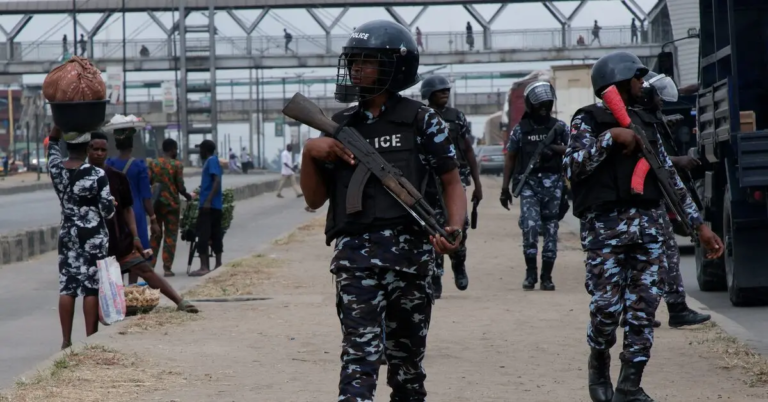
The country is facing both a long economic slide — 63 percent of Nigerians live below the poverty line, according to the IMF — and myriad security threats, from jihadists, gangs, separatists, and farmers and herders clashing over land.
Obi, 65, though popular among the youth, would be coming in as an outsider — President Bola Tinubu’s All Progressives Congress controls 31 of Nigeria’s 36 powerful governorships and has a far greater party infrastructure than Obi’s Nigeria Democratic Congress.
Both economic and security issues pre-date Tinubu, 74, who is running for re-election, but both have worsened during his tenure.
Though experts have praised Tinubu’s economic reforms, the average Nigerian has seen a massive spike in prices since the government scrapped a costly petrol subsidy that indirectly suppressed the price of goods across the economy.
Tinubu has said the reforms averted an even greater crisis as the subsidy grew unsustainable.
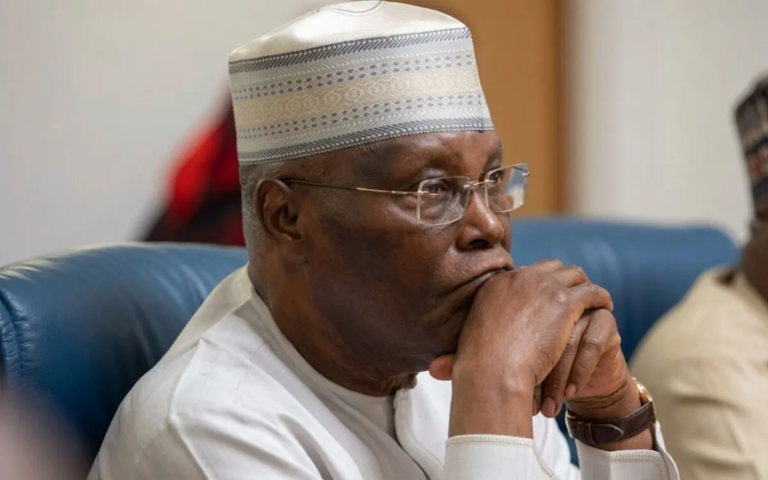
Atiku Abubakar, 79, the other main opposition challenger, recently called for restoring the subsidy, though he said his policy would target domestic refineries rather than directly reducing prices at the pump.
Obi said fighting corruption in the oil sector could reduce prices without re-implementing the subsidy. One area where he agreed with Tinubu was in creating state police — a sweeping, decentralising reform in a country where the federal police struggle to contain violence and other crimes.
The 2023 election saw a crowded field, with Obi, Abubakar and ex-Kano state governor Rabiu Kwankwaso divvying up the opposition vote. Tinubu won with just 36.6 percent of the ballots.
Read More : Petrol Price Hike Looms as Crude Hits $115
Obi said the public should be allowed to “decide which of (the three of) us is best suited to serve the country.”
With turnout hitting 27 percent last time around, there are tens of millions of voters to be gained, making the argument of playing spoiler irrelevant, he suggested.
An incident that saw his convoy blocked on the road in Benue State earlier on Tuesday didn’t bode well for “free, fair and credible” polls, he added.