Trending

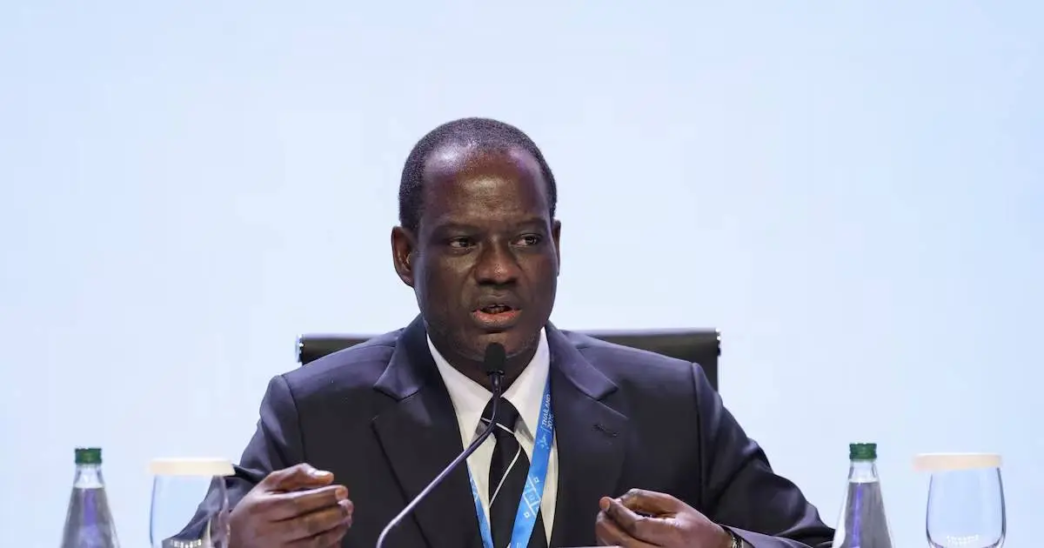
Nigeria will introduce fuel taxes only after the economy stabilises and income levels can accommodate the additional costs, Finance Minister and Coordinating Minister of the Economy Taiwo Oyedele has said.
Oyedele said the government’s immediate priority is to complete ongoing economic reforms, stabilise the economy and restore growth before introducing the taxes, according to ARISE News, which reported the interview from the sidelines of the 2026 International Monetary Fund and World Bank Annual Meetings in Bangkok.
He said imposing the taxes immediately after the removal of petrol subsidies would place additional pressure on Nigerians.
“You remove subsidy, you can’t immediately impose taxes. That would be insensitive. You push the people to the wall,” he said.
Oyedele noted that fuel taxes are common elsewhere, with many African nations imposing multiple taxes on petroleum products.
“Now, if you look across the world, between 20 to 80% of price is taxes. Many of the countries in Africa have between six to 10 different taxes on fuel products,” he said.
He said Nigeria must first stabilise the economy and improve household incomes.
“So, for us, it’s complete the reform, stabilise the economy, bring growth back,” he said, adding that the focus should be on growing incomes faster than prices rise rather than suppressing prices, which he said has not worked.
“Prosperity and grow the middle class, and that’s exactly what we are doing as led by Mr. President himself.”
Oyedele said the taxes would be introduced at the appropriate time, with revenue directed towards road infrastructure and building a fuel reserve to cushion future price shocks.
“So, at the appropriate time, when the economy has stabilised, and income level would be able to accommodate it, then those taxes will come,” he said.
He said the taxes could act as a buffer, allowing the government to waive them temporarily during disruptions.
He said the introduction of any fuel tax would follow the legally required process, including publication in the gazette by the finance minister.
“We can’t do it in secret,” he said, adding that the benefits should be clear to every Nigerian.