Trending
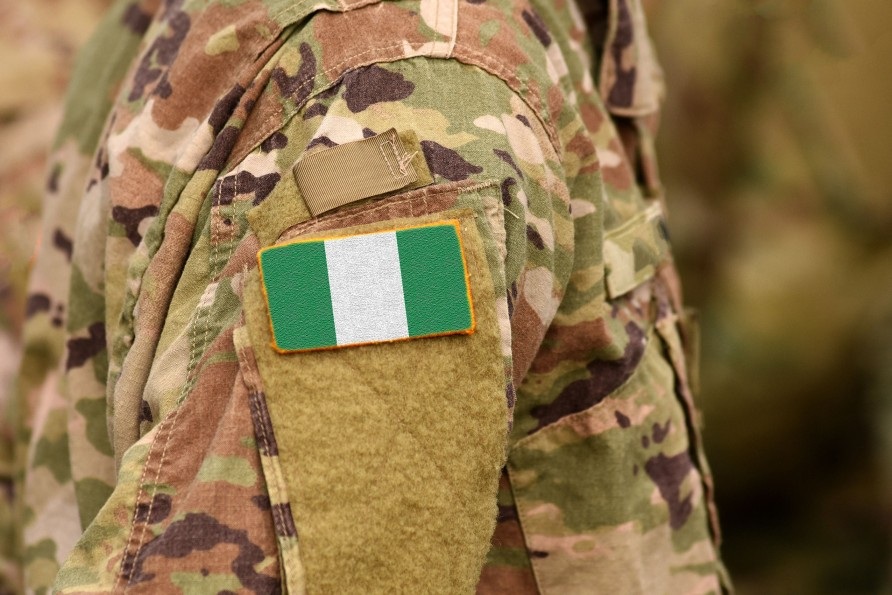
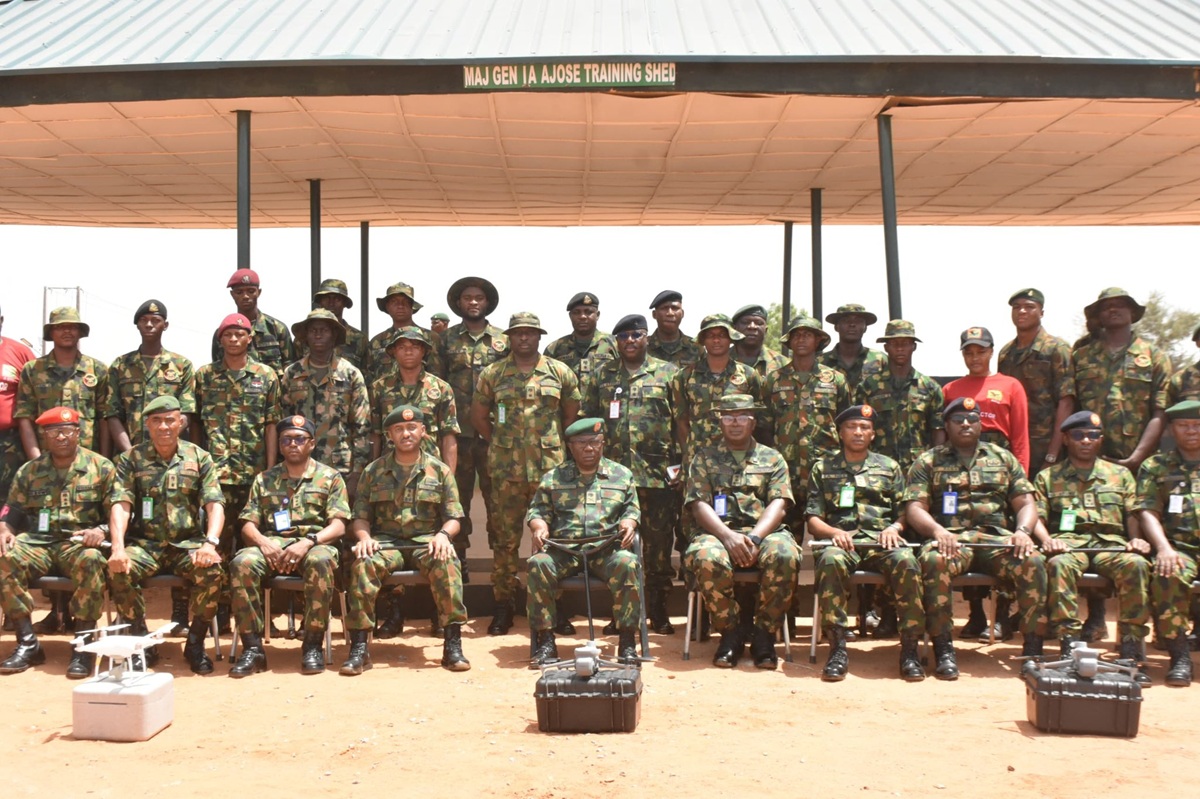
The Nigerian Army has trained and graduated 27 drone pilots in Kaduna State as part of efforts to boost intelligence gathering and improve operational efficiency in the Northwest.
This was disclosed in a statement by the Acting Deputy Director, Army Public Relations, 8 Division, Nigerian Army / Sector 2 Operation FANSAN YAMMA, Lieutenant Colonel Olaniyi Osoba, on Friday.
The General Officer Commanding 8 Division and Commander, Sector 2, Joint Task Force (North West), Bemgba Paul Koughna, said the programme reflects the military’s increasing reliance on technology-driven operations and enhanced force protection.
Read More : Obi Queries Tinubu’s UNGA Absence, Hails Mahama
He noted that integrating drones into military operations has become essential, stressing that the effectiveness of modern armed forces depends not only on acquiring advanced equipment but also on deploying it efficiently within operational systems.
“The integration of drones into our operations is no longer optional; it is a necessity,” Koughna said.
“The true strength of any military force lies not just in acquiring advanced equipment, but in effectively integrating them into our operational systems.”
According to him, unmanned aerial vehicles improve situational awareness, support better decision-making and help reduce risks to personnel by enabling surveillance and reconnaissance from a distance.
Earlier, the course coordinator, Samuel Yakubu, described the training as a strategic initiative aimed at strengthening frontline capabilities through technology.
He said the programme, which involved 27 personnel drawn from different units, combined theoretical instruction with practical exercises designed to enhance operational effectiveness across formations.
“This training was a visionary initiative aimed at giving our troops eyes in the sky.
“It has significantly enhanced the operational effectiveness of personnel across different formations within the Division’s area of responsibility.
“27 personnel drawn from various units under the Division participated in the rigorous training programme, which combined theoretical instruction with practical exercises.”
Read More : Shettima Reiterates Calls For UN Reform
The trainees received instruction in drone navigation using offline maps, aircraft assembly and control systems, surveillance operations, aerial imaging, and tactical flight manoeuvres, including takeoff and precision landing.
The course concluded with a practical demonstration in which the newly trained pilots showcased their skills in surveillance, aircraft handling, and coordinate tracking, earning commendation from senior officers.
At the end of the programme, the participants were awarded pilot wings, while outstanding trainees received cash prizes for their performance.