Trending


The Nigerian government exceeded its 2024 borrowing target by N4.79tn, raising N12.62tn in new financing to cover a widening fiscal deficit.
The Budget Office of the Federation disclosed that weaker oil revenue pushed the annual deficit to N13.51tn, far above the approved N9.18tn projection.
While total government spending reached N34.49tn, revenue shortfalls in crude oil production and international oil prices primarily drove the N4.90tn income gap.
Read More : Shettima Arrives in New York for UNGA 81
Higher foreign borrowing and unbudgeted support funds expanded the national debt burden, bringing Nigeria’s total public debt to N144.67tn.
The resulting debt-to-GDP ratio rose to 61.22 per cent, surpassing the nation’s 40 per cent ceiling.
The report noted that while non-oil revenue collections performed strongly, debt service obligations consumed N12.36tn, exceeding the original debt service budget by over 52 per cent.
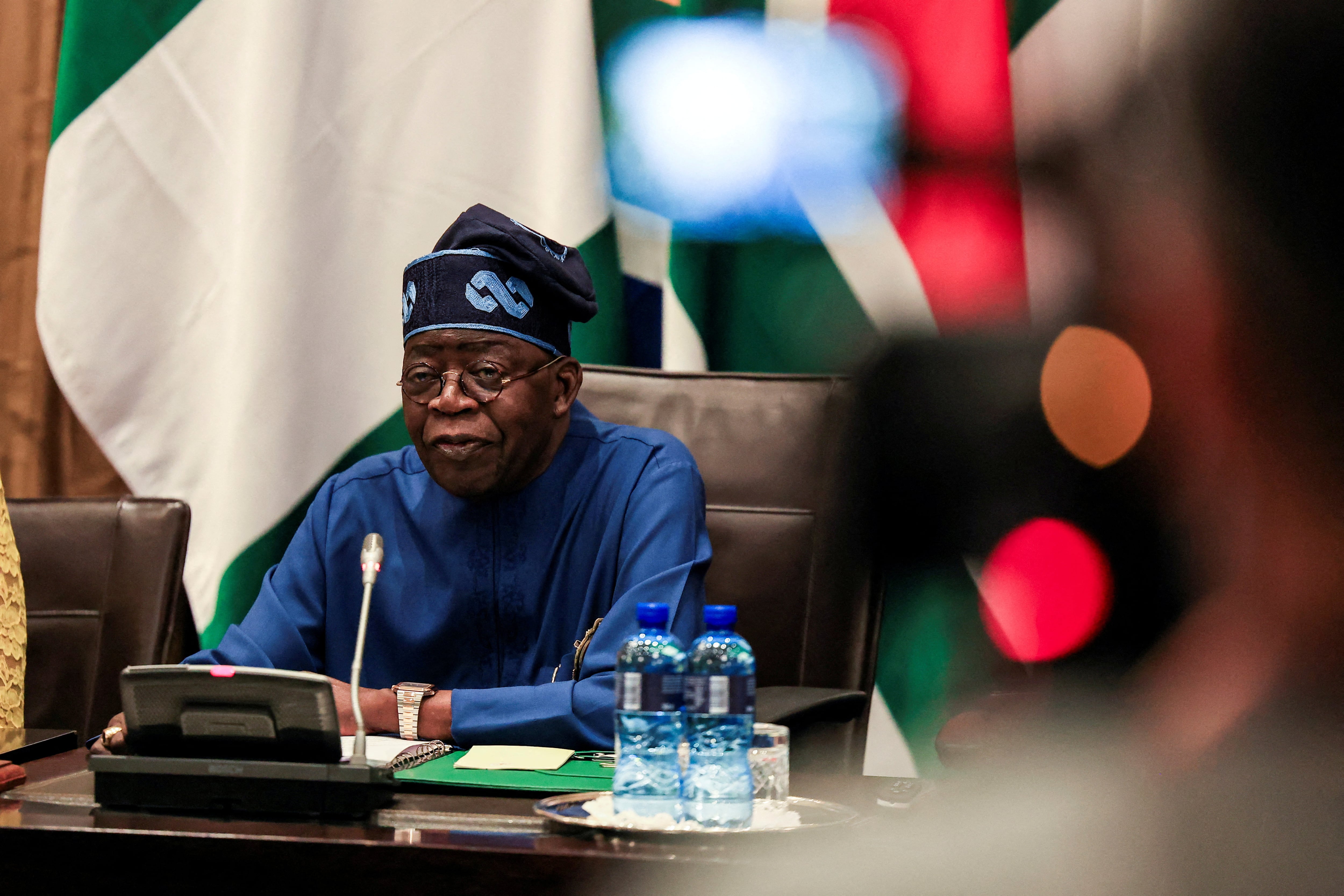
The rising debt profile sparked intense debate among economic experts and public figures.
In an interview on News Central TV, the Emir of Kano, Muhammadu Sanusi II, criticised the administration’s fiscal management, questioning why borrowing persists despite fuel subsidy removals.
“If you’re not paying the subsidy and you’ve got the money, why are we still borrowing.”
Read More : Nigeria Records First-Ever Tele-Robotic Surgery
Emir of Kano State, Sanusi Lamido Sanusi, says if the subsidy has ended, citizens should begin to see stronger public finances and practical benefits across the economy. pic.twitter.com/TIbNjRsCo5
— News Central TV (@NewsCentralTV) April 24, 2026
Presidential spokesperson Daniel Bwala defended the loans as essential investments in national infrastructure, while economists warned that unmanaged liquidity could drive inflation higher.