Trending
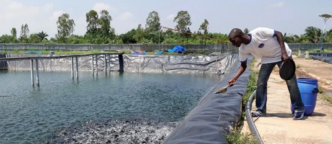
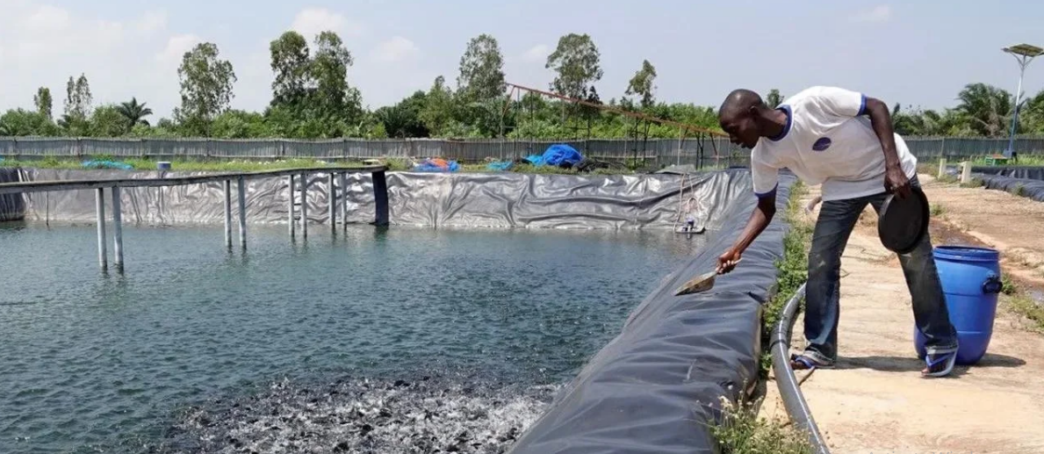
The United Nations (UN) has urged Africa to rapidly expand its fish-farming industry to meet growing food demand.
The call was made on Tuesday as the UN’s Food and Agriculture Organisation (FAO) launched its latest State of World Fisheries and Aquaculture report at the Our Ocean Conference in Mombasa, Kenya.
The report showed that global fish production has reached record levels, with fish farming, also known as aquaculture, producing more than 100 million tonnes of fish for the first time in 2024.
Read More : News Central Makes African TV History at UNGA 81
According to the FAO, fish farming overtook traditional fishing as a source of food production in 2021 and has continued to grow worldwide.
However, Africa remains behind other regions, with only 18 percent of its fish supply coming from fish farms, compared to about half in many other parts of the world.
The FAO said fish production in sub-Saharan Africa must increase by 68 percent by 2050 to keep up with the region’s fast-growing population.
Manuel Barange, Director of the FAO Fisheries Division, described the sector as a major opportunity for the continent.
“Aquaculture can actually be a game-changer. If we manage to develop aquaculture in Africa, there’s a lot of opportunities,” Barange said.
He added that African governments need to introduce policies and incentives to attract more investment in the sector.
The report noted that more than 700 fish species are currently raised on fish farms worldwide, making aquaculture a more reliable and sustainable source of food than traditional fishing.
Barange also warned that climate change continues to affect fish stocks and fishing activities globally.
“Climate change is a disruptor of everything that we do,” he said.
The report further revealed that only 62 percent of the world’s fisheries are currently being managed sustainably, highlighting the need for stronger efforts to reduce overfishing.
The 11th edition of the Our Ocean Conference opened in Mombasa on Tuesday, marking the first time the event is being hosted in Africa.
Since it began in 2014, the conference has generated more than 2,900 commitments worth over $169 billion to support marine conservation, sustainable fisheries, climate action, and pollution reduction.