Trending


Concerns surrounding major continental events should never be dismissed. Governments, companies, investors and delegates have every right to demand credible assurances about their safety, dignity and treatment when travelling across Africa.
Those concerns must be addressed directly, transparently and responsibly.
But Africa must also be careful not to respond to legitimate anxieties in ways that weaken its collective economic interests.
Read More : Is Nigeria Becoming a Fake Country?
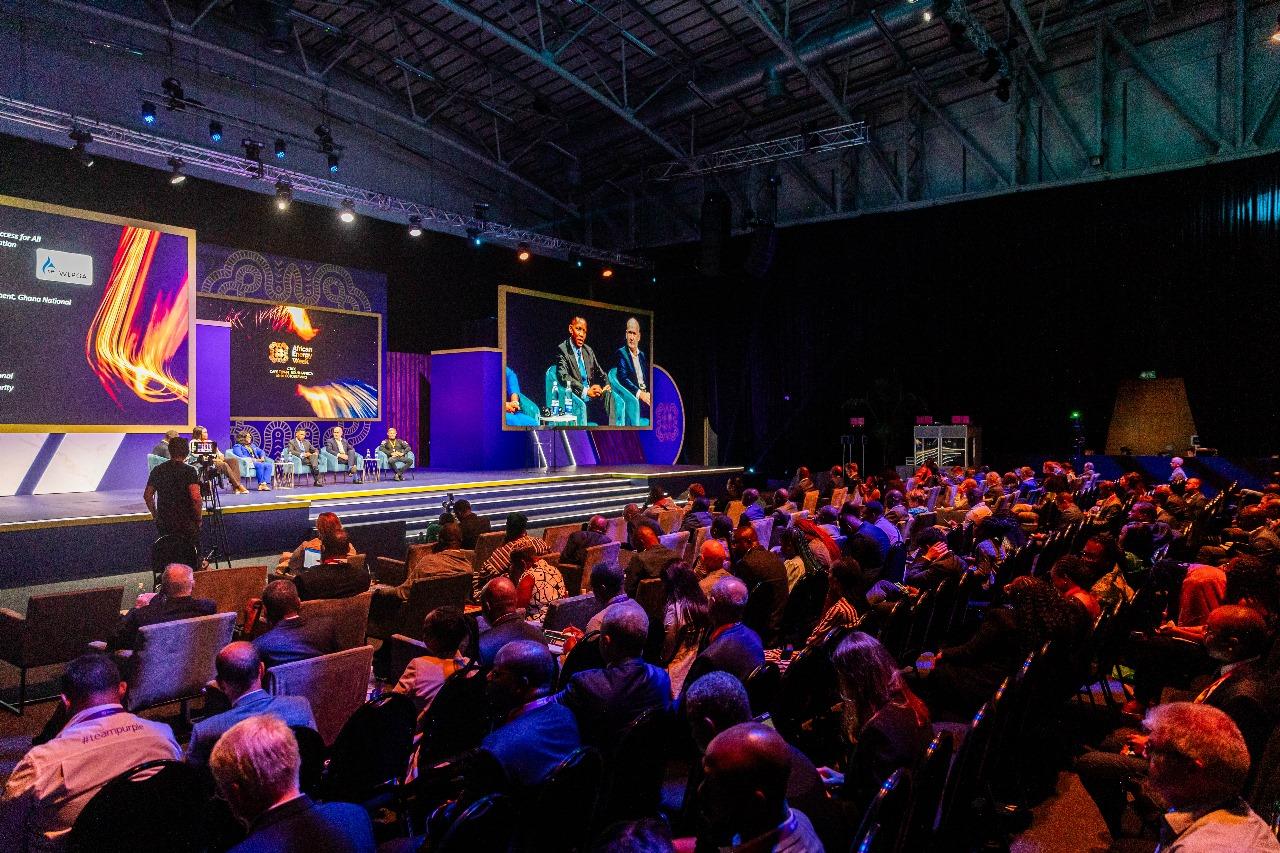
As African Energy Week 2026 approaches, the conversation can no longer be limited to whether the conference is taking place in Cape Town.
The more consequential question is whether African governments, businesses and industry leaders can afford to withdraw from one of the principal platforms where the continent’s energy investment, policy, partnerships and energy security priorities will be debated.
The answer is clear: Africa should not abandon the room where decisions about its future are being shaped.
Concerns Require Answers, Not Retreat
Any allegation of xenophobia, discrimination or insecurity must be treated seriously. No African delegate should be expected to travel without confidence that appropriate security, logistical support and institutional safeguards are in place.
The responsibility rests on the organisers, host authorities and relevant institutions to provide clear guarantees. These should include visible security measures, delegate support mechanisms, emergency contacts, airport and transport coordination, and rapid-response procedures for any incident involving participants.
Reassurance cannot depend on slogans. It must be backed by practical measures.
However, demanding accountability is not the same as calling for disengagement. African stakeholders can insist on stronger protections while continuing to participate in the commercial and policy platforms that matter to the continent.
Withdrawal may appear to be a powerful statement, but it can also carry high strategic costs.
Africa’s Energy Decisions Cannot Be Left to Others
Africa remains at the centre of one of the world’s most important energy debates.
The continent must expand electricity access, industrialise its economies, develop oil and gas resources responsibly, attract investment into renewable energy, strengthen regional power markets and build the infrastructure required to support growing populations.
These challenges will not be resolved by symbolism. They will be resolved through investment decisions, regulatory reforms, project partnerships, financing commitments and sustained engagement between governments and the private sector.
African Energy Week provides a forum where many of these interests converge. Ministers meet investors. National oil companies engage international operators. Independent producers seek capital. Service companies pursue contracts.
Governments promote licensing opportunities. Technology providers demonstrate solutions. Financiers assess projects. Industry leaders negotiate partnerships that may shape production, power generation, and infrastructure development for years to come.
African companies and governments should not voluntarily remove themselves from those conversations.
When African stakeholders step away from important platforms, the discussions do not stop. Decisions are still made. Capital is still allocated. Partnerships are still formed. The only difference is that absent parties lose the ability to influence the outcome.

Boycotts Carry Commercial Consequences
Calls for a boycott should therefore be examined not only through a political or emotional lens, but also through a commercial one. A government that stays away may lose the opportunity to present its investment pipeline to international financiers.
An indigenous energy company that withdraws may surrender visibility to a competitor. A service provider that refuses to attend may miss out on access to operators preparing new projects. A national oil company that is absent may lose ground in discussions about regional infrastructure, exploration partnerships, gas development or energy security. A financial institution that disengages may forfeit early access to bankable transactions.
The cost of absence is not always immediately visible. It may emerge later through missed contracts, weakened relationships, reduced influence and opportunities captured by better-positioned competitors.
Participation does not mean ignoring concerns. It means protecting national and corporate interests while demanding that those concerns be properly addressed.
A Pan-African Response Must Preserve African Interests
The strongest response to present anxieties should be Pan-African rather than fragmentary.
Xenophobia is fundamentally opposed to the idea of African integration. But allowing xenophobia, or the fear of it, to dismantle continental engagement would also weaken the Pan-African project.
Africa cannot build the African Continental Free Trade Area, deepen cross-border investment, strengthen regional energy markets and promote the movement of African capital while simultaneously retreating from major continental gatherings whenever political tensions emerge.
The continent needs more engagement, stronger protections and greater institutional accountability.
African governments should work collectively with South African authorities and the organisers to establish credible safeguards for delegates.
Business associations should seek written assurances. Diplomatic missions should be engaged. Travel guidance should be clear. Security protocols should be communicated before delegates arrive.
That is a more effective response than abandoning the platform entirely.
Energy Security Is Too Important for Empty Chairs
Africa’s energy deficit remains one of the greatest constraints on its development.
Millions of households and businesses still lack reliable electricity. Industries struggle with high power costs. Countries with significant natural resources continue to export raw commodities while importing refined products. Gas reserves remain underdeveloped.
Transmission infrastructure is inadequate. Renewable-energy investment remains uneven. These are not abstract conference themes. They are daily economic realities.
African Energy Week should therefore be understood as more than an event. It is part of the broader contest over how Africa will finance, own and govern its energy future.
Will African gas support domestic power generation and industrialisation?
Will indigenous companies gain greater access to producing assets?
Will African financial institutions play a larger role in funding energy projects?
Will the continent develop its own transition strategy, or simply adopt frameworks designed elsewhere?
Will oil- and gas-producing countries capture greater value from their resources?
Will African energy markets become more integrated?
These questions require African voices, African capital, African institutions and African leadership in the room.
Empty chairs do not protect Africa’s interests.
The Campaign Must Now Move Beyond Promotion
The communications challenge is therefore no longer simply to announce that African Energy Week will take place.
The campaign must explain what is at stake.
It must show governments what they could lose by being absent. It must demonstrate to companies where the commercial opportunities lie. It must remind investors that Africa’s energy demand is expanding. It must assure delegates that their concerns are recognised and that practical measures are being established to protect them.
The message should not be defensive. It should not pretend that concerns do not exist. It should not dismiss criticism or attempt to shame those seeking reassurance.
Instead, it should be confident, commercially grounded and unmistakably Pan-African.
The argument is not that stakeholders must attend at any cost. The argument is that the costs of non-participation must also be understood.
African leaders should demand security guarantees. They should insist on respect. They should hold organisers and host authorities accountable. But they should also protect their strategic interests.
Stay in the Room, Shape the Outcome
Africa’s energy future will be shaped by those who participate, negotiate, invest and build. It will be influenced by the governments that present credible projects, the companies that form partnerships, the financiers that commit capital and the institutions that remain engaged when difficult questions arise.
The continent should not allow legitimate concerns to become a reason for strategic withdrawal. The proper response is to address the concerns, strengthen protections and remain at the table.
African Energy Week must prove that it can provide a safe, welcoming and professionally managed environment for every African delegate.
South African authorities must demonstrate that visiting Africans will be protected and treated with dignity. The organisers must communicate those guarantees clearly and act decisively where necessary.
But African stakeholders must also recognise the larger reality. This is a moment to demand accountability without surrendering influence.
Africa should not abandon the room where its investment, energy security, industrial future and continental partnerships are being discussed. It should enter that room prepared, protected and determined to shape the outcome.