Trending
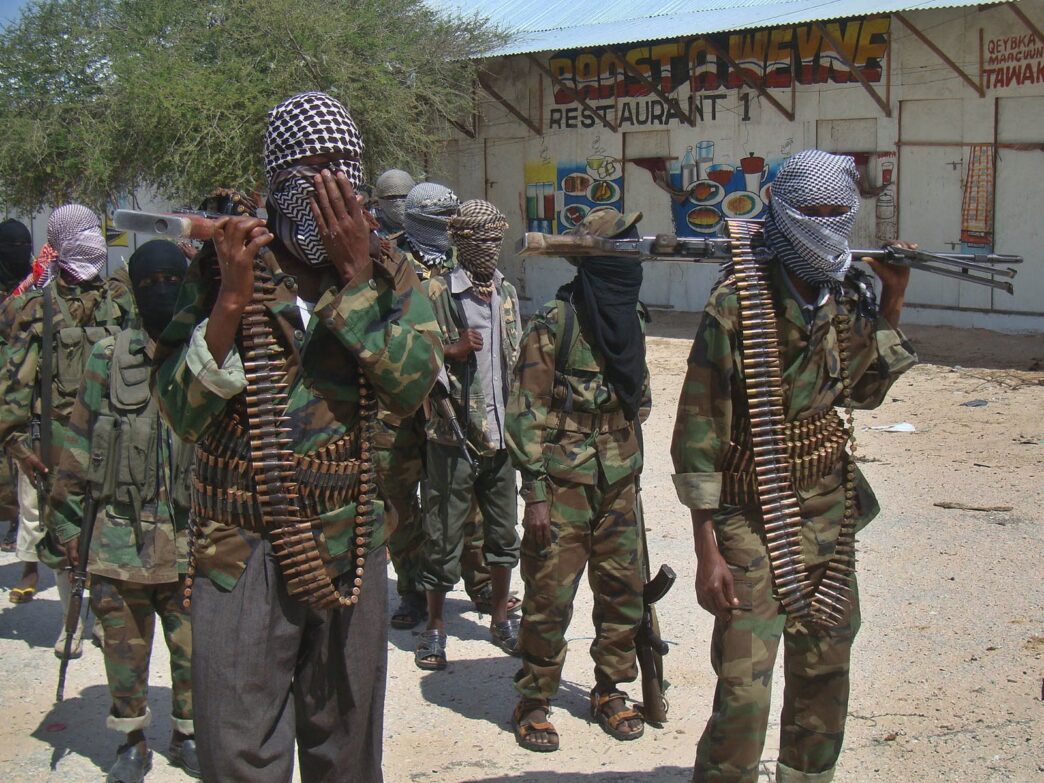
Terrorism-related violence killed 79,323 people and resulted in the abduction of 34,773 civilians in Nigeria between 2020 and 2025, according to a comprehensive six-year report released by the Observatory for Religious Freedom in Africa (ORFA) on Tuesday.
The ORFA published the shocking figures in Jos, Plateau State, revealing that the country averaged seven attacks and 36 deaths per day, with innocent civilians accounting for over 42,000 of the total fatalities.
The investigation, titled “Four Times Boko Haram? How the World Misreads Nigeria’s Violence” challenges the global perception that Boko Haram and ISWAP drive most of the country’s bloodshed.
Read More : Niger Cash Handout Stampede Kills Three
The data shows that while those two notorious groups combined for just 12 per cent of civilian killings, militias categorised as “Fulani Terror Groups” killed 18,577 civilians, or 44 per cent of the total civilian death toll.
ORFA explicitly distinguished these armed extremist groups from the broader Fulani ethnic population, the vast majority of whom do not engage in violence.
The report also highlights a stark religious dimension to the data, revealing that terrorists killed 28,551 Christians compared to 13,224 Muslims.
In the hardest-hit states, attackers killed Christians at 4.4 times the rate of Muslims relative to their population.

Furthermore, the data exposes a systematic “Captivity by Creed” pattern during abductions, where Christian hostages consistently face higher ransoms, longer negotiations, sexual violence, and a much higher risk of execution than Muslim captives.
Read More : Tinubu to Address Nigerians at 7am on October 1
ORFA researchers spent years cross-referencing attack patterns by tracking up to 60 data elements for each incident across five distinct data streams.
They found that community raids on farming settlements caused 75 per cent of civilian deaths through a mix of slaughter, abduction, rape, and property destruction.
The Observatory urged the international community to recognise these findings, warning that any solution to Nigeria’s crisis will remain incomplete without a full accounting of the data.