Trending
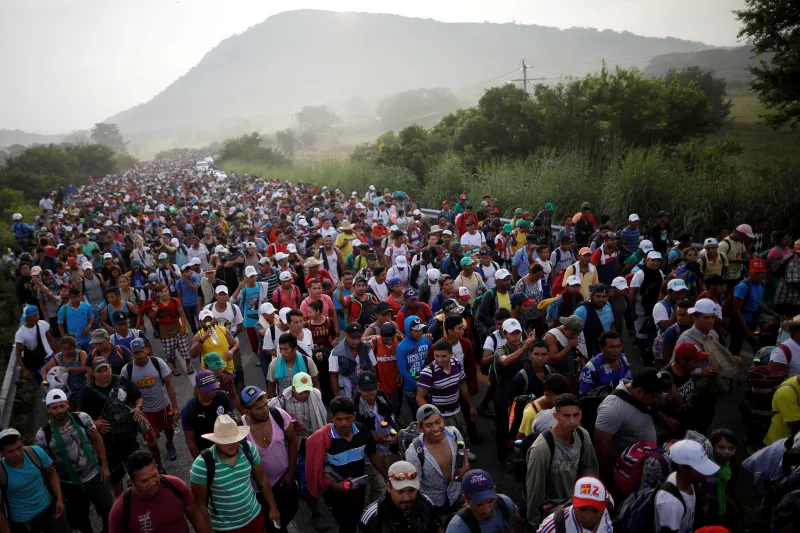
For the first time in over a decade, the number of forcibly displaced people worldwide has fallen, and it is, by any measure, news worth marking. However, the United Nations refugee agency, UNHCR, is urging the world not to mistake a step forward for the finish line.
The UNHCR reported a 5 per cent decline in global forced displacement, bringing the total to 117.8 million people by the end of 2024, a figure driven largely by 14.7 million returns to home countries, including 4.4 million refugees from some of the world’s most battered nations: Afghanistan, Syria, Sudan, and the Democratic Republic of Congo.
These are places where conflict, poverty, and political collapse have, for years, made return not just dangerous but unthinkable. That millions have now gone back is, on the surface, a remarkable shift.
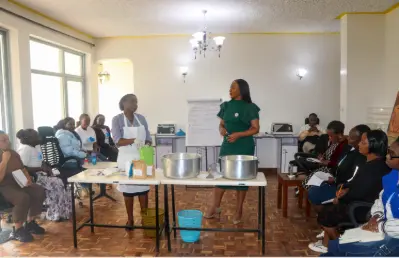
Read More : Kenyan Enterprise Gives Women New Start
Yet UN High Commissioner Barham Salih was careful with his language when describing the moment. He called it a “bittersweet milestone”, and that word choice matters, because underneath the headline number lies a portrait of human suffering that remains staggering in scale and stubbornly resistant to resolution.

One in every 70 people on earth is still displaced. Let that land. Not one in a thousand, not one in a hundred, one in seventy. That is not a crisis winding down; it is a crisis that has simply learned to persist.
Compounding the concern is the demographic reality of where these people are. Seventy per cent of the world’s refugees are living in what the UNHCR classifies as prolonged exile, meaning they have been displaced not for months but for years, sometimes generations, and it is not wealthy nations absorbing most of this burden. Low-income countries, many of them struggling with their own economic and political instability, host the majority of the world’s displaced populations.
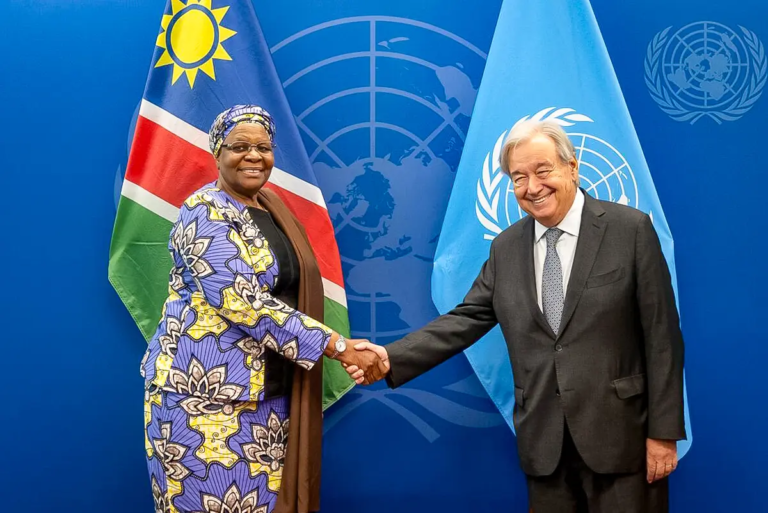
Read More : UNGA: Women Closing Africa’s Management Gap
Meanwhile, 5.4 million new displacements were recorded during the period, a reminder that even as some crises cool, others ignite. The pipeline of displacement has not been switched off; it has merely slowed.
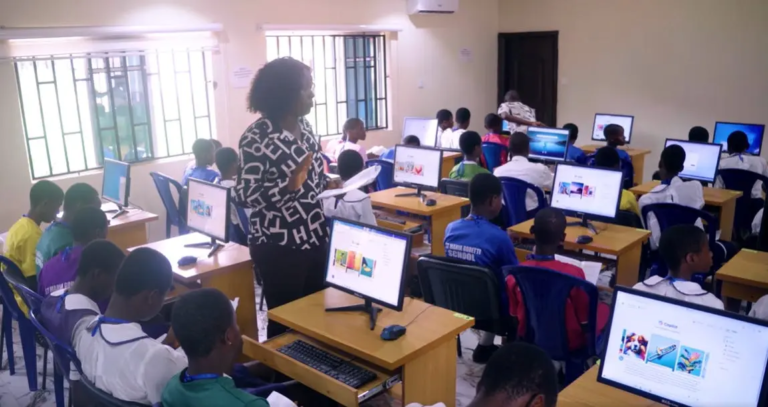
Salih’s response to these numbers is not simply humanitarian sympathy, it is structural. He has called for durable solutions: jobs, education, and legal pathways that give displaced people a genuine stake in the societies hosting them. The target he has set is concrete — cutting long-term displacement dependency in half by 2035.
That goal is ambitious, but ambition, in this context, is the only morally adequate response to a world where 117 million people still cannot call anywhere home.