Trending
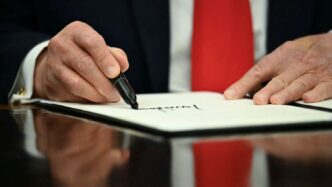
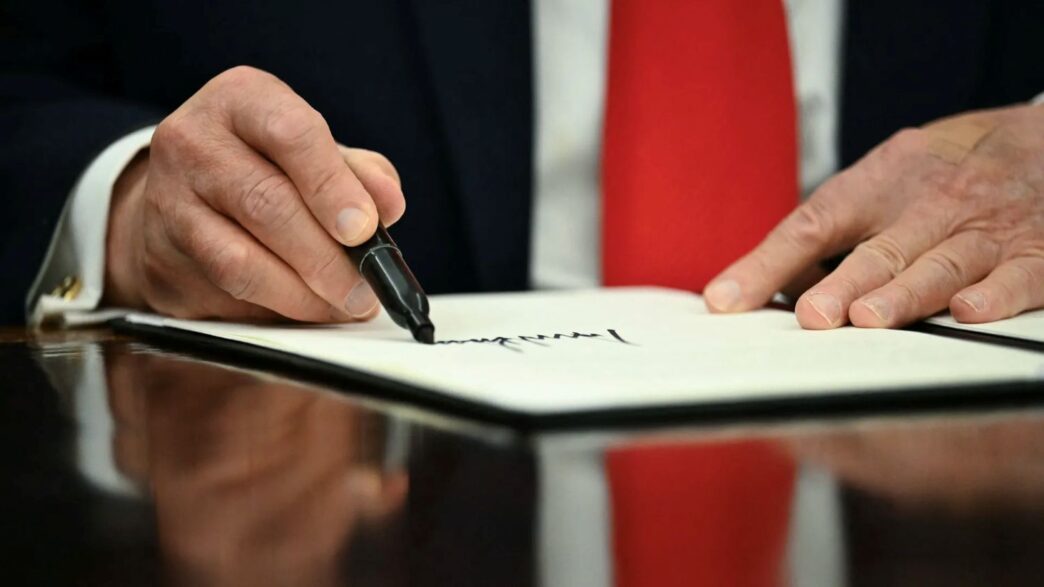
The United States and Iran have signed a memorandum of understanding outlining a structured pathway to end hostilities in the Middle East, according to text released by both Washington and Tehran.
The agreement sets out immediate military de-escalation measures, phased diplomatic negotiations, and sweeping economic and political commitments.
Central to the deal is a “permanent termination of military operations on all fronts, including in Lebanon.
Read More : Woman at Centre of Spain Housing Crisis Dies
Both parties, alongside their respective allies, commit “not to initiate any war or any military operation against each other” and to refrain from the “threat or use of force,” while also affirming respect for Lebanon’s sovereignty and territorial integrity.
The two sides have also agreed to conclude a final deal within 60 days, with the possibility of extension if mutually agreed. Pending that process, the framework maintains a temporary freeze on escalation. Iran will “maintain the current status quo of its nuclear program,” while the United States pledges not to introduce new sanctions or deploy additional forces in the region.
On the economic front, Washington has committed to lifting its blockade on Iranian ports within 30 days and ultimately withdrawing its forces from Iran’s proximity within the same timeframe after a final agreement is reached. It also promises to end sanctions and unfreeze Iranian assets once the deal is implemented.
The US Treasury will issue waivers allowing Iranian crude oil exports and associated financial services to resume immediately.
Iran, in turn, will facilitate the “safe passage of commercial vessels” through key maritime routes, including the Strait of Hormuz, with temporary measures to restore traffic flow during the transition period.
A major reconstruction package is also outlined, with the United States and regional partners planning at least $300 billion for Iran’s economic development.
Read More : Maduro May Face US Torture Charges
On nuclear provisions, Tehran reaffirms that it “shall not procure or develop nuclear weapons,” while enriched uranium disposition will be managed under an International Atomic Energy Agency-supervised mechanism.
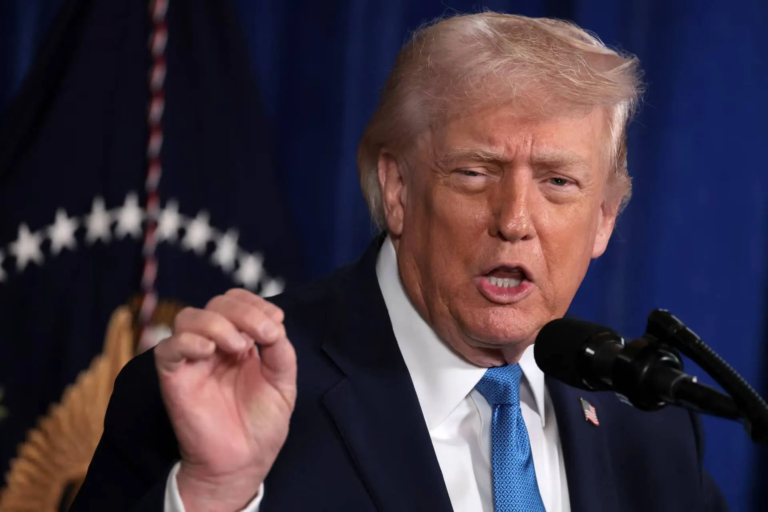
According to Pakistan’s Prime Minister Shehbaz Sharif, who helped mediate the talks, the agreement was electronically signed by US President Donald Trump and Iranian leader Masoud Pezeshkian, with a formal ceremony scheduled in Switzerland.
The final accord is expected to be endorsed through a binding UN Security Council resolution.