Trending


Nigeria and South Africa have held high-level talks over the recent xenophobic attacks targeting foreigners in South Africa.
Senior diplomats from both countries met in Abuja on Monday, describing each other as “brothers” while discussing the growing concerns over attacks on African migrants in South Africa. The meeting comes after months of protests in South Africa, some of which turned violent, with demonstrators accusing foreign nationals of contributing to crime, unemployment and pressure on public services.
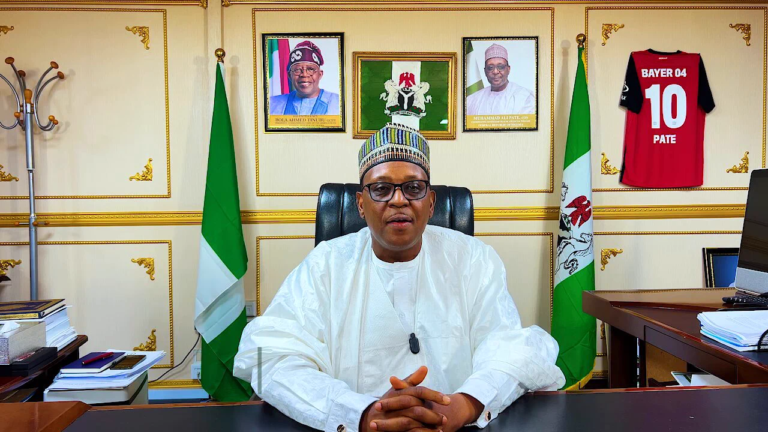
Speaking before the closed-door meeting, Nigeria’s Minister of State for Foreign Affairs, Sola Enikanolaiye, criticised South Africa’s handling of the attacks.
“We have records of Nigerians who have legitimate papers to remain in South Africa, yet they have been attacked. “And we could see some mob actions in which we saw the police watching, as if they are helpless to address this situation,” Enikanolaiye said.

According to South African police, at least four foreign nationals have been killed in the violence. However, some African governments repatriating their citizens have reported higher death tolls.
More than 160,000 people have fled South Africa, according to an AFP tally based on figures from African governments, including about 1,500 Nigerians.
Nigeria and Ghana have both criticised South Africa’s response to the attacks, with reports of anti-immigrant groups forcing people from their homes and handing them over to police.
Responding to the concerns, South Africa’s Minister for International Relations, Ronald Lamola, said the government does not support xenophobia but has the right to tackle illegal migration and crime.
Read More : WHO: Africa Faces ‘Complex’ Ebola Outbreak
“President Cyril Ramaphosa and the government he leads have been outspoken against any intolerance,” Lamola said.
He added that South Africa would continue to deal with “irregular migration, undocumented immigrants, including acts of criminality.”
South Africa remains one of Africa’s biggest destinations for migrants, but analysts say high unemployment, poor public services and rising crime have fuelled hostility towards foreigners.