Trending
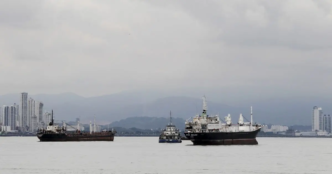
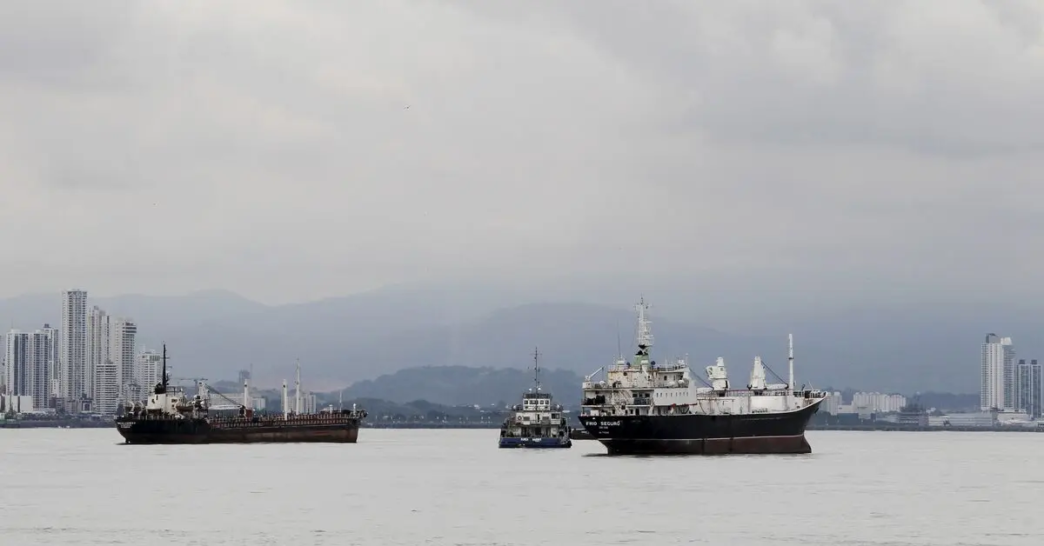
The Panama Canal began reducing the number of ships allowed to pass through the waterway on Friday as a drought linked to the El Niño weather phenomenon lowered water levels.
The Panama Canal Authority said declining levels in the two artificial lakes that supply water to the canal had forced it to introduce the restrictions.
The number of vessels permitted to transit the waterway linking the Atlantic and Pacific oceans will be gradually reduced from 36 a day to 32 by mid-September.
Read More : Canada Begins Free Trade Talks With Turkey
Panama has declared a nationwide emergency over El Niño, a climate pattern originating in the Pacific Ocean that alters global wind, rainfall and atmospheric pressure patterns and can contribute to rising temperatures.
This year’s El Niño is expected to be the strongest since comparable records began four decades ago.
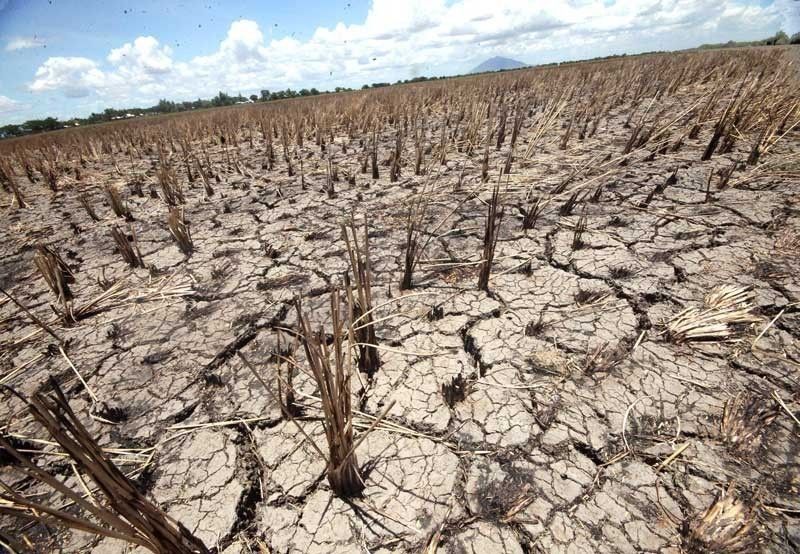
Although the phenomenon has yet to reach its peak, Central America is already experiencing a severe drought, prompting Honduras and El Salvador to declare emergencies as well.
Read More : Poland Faces New Abortion Rights Protests
The Panama Canal handles about five percent of global maritime trade and roughly 40 percent of US container traffic.
Authorities have already introduced other water-saving measures, including lowering the maximum draft, or depth in the water, permitted for the largest vessels.
El Niño disrupted operations at the canal in 2023, when authorities reduced daily ship crossings to 22.