Trending

The National Economic Council (NEC) endorsed a 90-day economic action plan proposed by the Federal Ministry of Finance to solidify President Bola Tinubu’s economic reforms, prioritising reduced living costs and better food affordability.
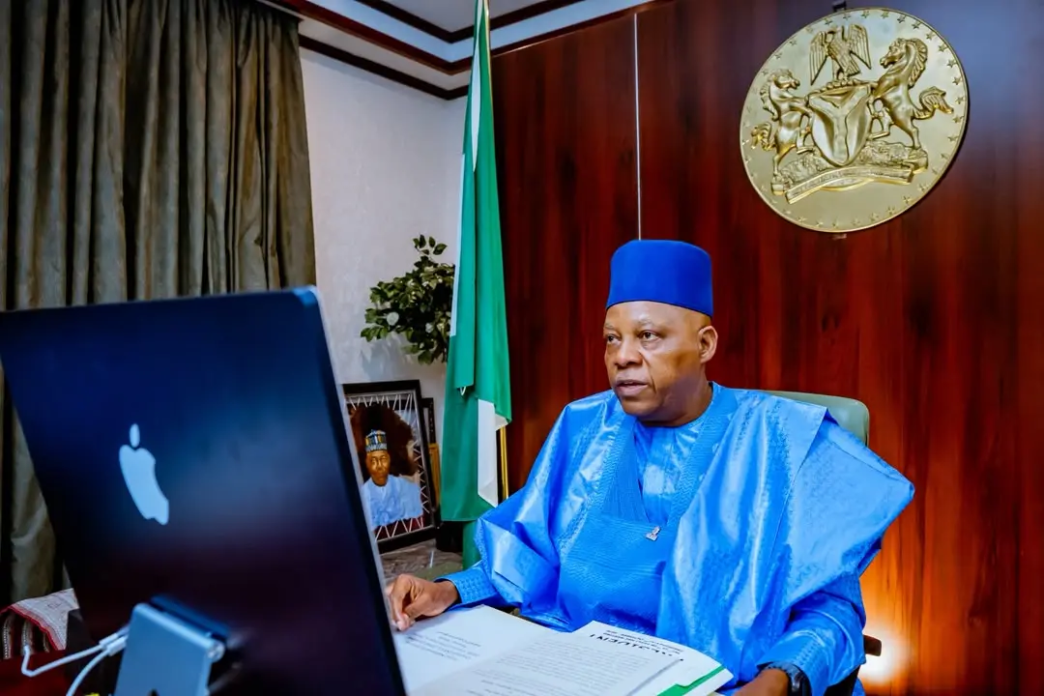
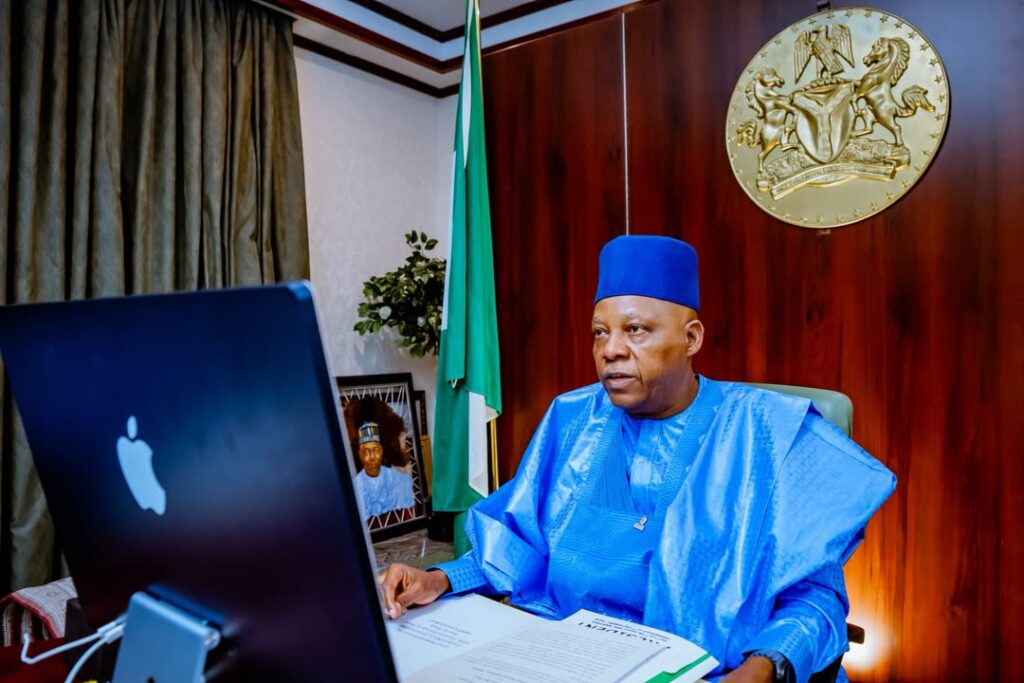
Following a presentation by Finance Minister Taiwo Oyedele at the virtual 161st NEC meeting chaired by Vice President Kashim Shettima, the council backed the strategy focusing on food affordability, tax harmonisation, high-impact project completion, investment bottleneck resolution, and regulated household support.
NEC also approved a national dashboard to track nationwide projects, aiming to boost transparency and accurately report on funds from fuel subsidy removal.
Presenting the economic outlook, Oyedele voiced optimism for economic recovery under Tinubu’s reforms, targeting single-digit headline inflation and interest rates by 2027 through coordinated federal and state action.
Addressing the council, Shettima emphasised that reforms must translate into better living conditions, urging state governors to focus on affordable transport, healthcare, employment, and financial security.
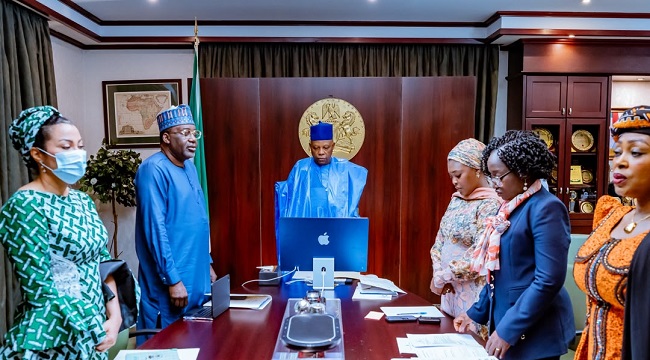
“The first dividend of prosperity should be the confidence to plan a life. Our task is to make such confidence less dependent on fortune,” Shettima stated.
Cross-Jurisdictional Collaboration
Calling for cross-jurisdictional collaboration on transportation, healthcare, police reform, and livestock development, Shettima noted, “Our separate jurisdictions must serve a common public interest.”
Advocating for the National Compressed Natural Gas (CNG) Bus Initiative, he urged states to build affordable transit systems, asserting, “The cost of reaching a livelihood should never consume the livelihood itself. The passenger’s experience must guide our ambition, because the value of public transport resides in the journeys it makes possible. We should assess success through affordability and access, rather than fleet size alone.”
Shettima urged governors to apply local knowledge to national policymaking, declaring, “Our separate mandates must not become competing excuses. Each governor carries knowledge that no federal document can supply.”
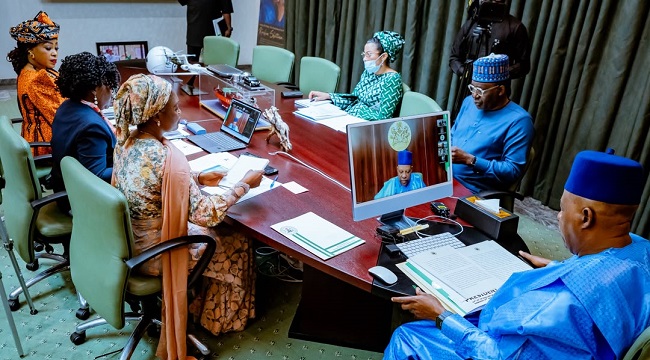
He added that policies must reduce uncertainty, noting, “Nigerians deserve institutions on which they can organise their lives. Providing that assurance is among the most consequential uses of public authority. That is the assurance we owe them.”
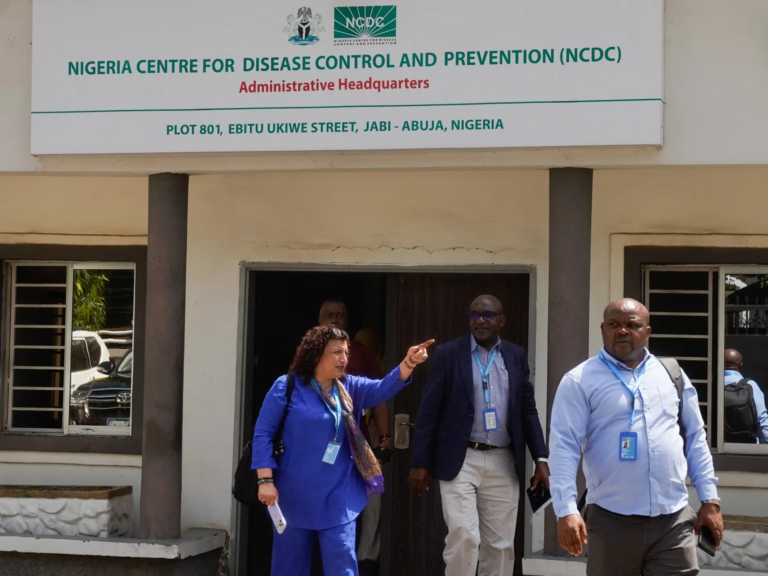
Additionally, Health Minister Prof. Muhammad Ali Pate allayed fears regarding a reported Ebola case in the Federal Capital Territory, assuring leaders of Nigeria’s institutional capacity to contain it as 21 states updated response plans.
Addressing public health and agriculture, NEC directed states to bolster polio eradication efforts through post-campaign reviews, routine immunisation, and timely counterpart funding, following a report by Gombe State Governor Muhammadu Inuwa Yahaya.
The council also reviewed a livestock development report from Kebbi State Governor Nasir Idris, resolving to strengthen federal-state collaboration to unlock the sector’s economic potential.
Finally, after a briefing by Ismaeel Ahmed on the National Affordable CNG Transit Programme, NEC agreed to establish a joint federal-state financing framework for CNG and electric vehicles, instructing authorities to work with transport unions so commuters benefit directly through reduced fares.