Trending

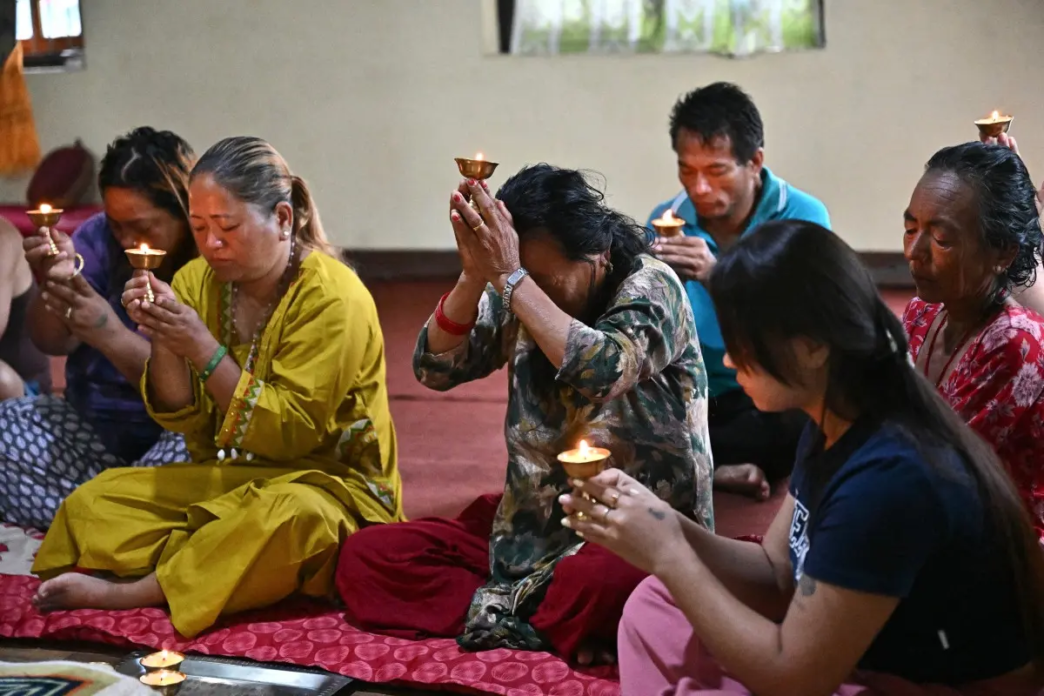
Nepal has observed a national day of mourning for victims of devastating glacial floods that have killed more than 1,300 people, as families of missing hydropower workers continue to hope that their loved ones trapped inside tunnels can still be rescued.
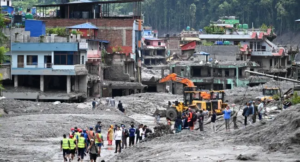
The disaster, which struck on August 26 along the China-Nepal border after a glacial collapse and mountain landslides, has left communities destroyed, roads damaged and homes swept away. Authorities say at least 1,398 people have died, while thousands remain missing, including hundreds of foreign nationals.
Across Nepal, flags have been flown at half-mast, while candlelight vigils have been planned as part of traditional Hindu mourning ceremonies held on the 13th day after death.
Read More : Trump Lifts Some Canada Tariffs Before Midterms
Among those missing are hundreds of hydropower workers who were inside tunnels when the floods struck. The rescue of three workers — two Nepalis on Friday and a Chinese national on Saturday — has given families renewed hope that more survivors could still be found.
Nepal Army spokesman Raja Ram Basnet said rescue operations were continuing with the same urgency as the first day.
“Our focus is on search and rescue at three levels — on ground, by air, and in the tunnels,” Basnet told AFP.
However, relatives of missing workers have questioned the pace of rescue efforts. Families who gathered in Kathmandu called for faster action as they waited for news about their loved ones.
Australian tunnel rescue expert Arnold Dix, who is supporting Nepali rescue teams, described the operation as one of the most difficult challenges he has encountered.
“We are facing something I have never faced before,” said Dix, president of the International Tunnelling and Underground Space Association.
“Not one rescue, but multiple potential rescues, unfolding at the same time, in different places, each with its own dangers, uncertainties, and lives that may still be saved.”
Experts from China, India and South Korea have joined Nepali teams in the search operation. Dix, who previously advised during the rescue of 41 workers trapped in India’s Silkyara tunnel in 2023, said previous experiences showed that difficult rescues should not be considered impossible.
“Silkyara taught me never to confuse unlikely with impossible,” he said.
As Nepal continues its recovery efforts, authorities also face the challenge of rebuilding communities and infrastructure. Police say more than 1,300 bodies have been recovered, but only about 100 have been identified and returned to families.
Read More : Melania Trump Announces Oleshky Ceasefire
The United Nations has appealed for $50 million in emergency support for more than 84,000 people affected by the floods. A preliminary UN assessment estimated infrastructure damage at $158 million, with total losses expected to be significantly higher.
Scientists have linked rising global temperatures to accelerated glacier melting, increasing the risk of extreme mountain disasters.
Nepal, despite contributing little to global greenhouse gas emissions, now faces a costly recovery effort as it works to rebuild after one of its deadliest natural disasters.