Trending

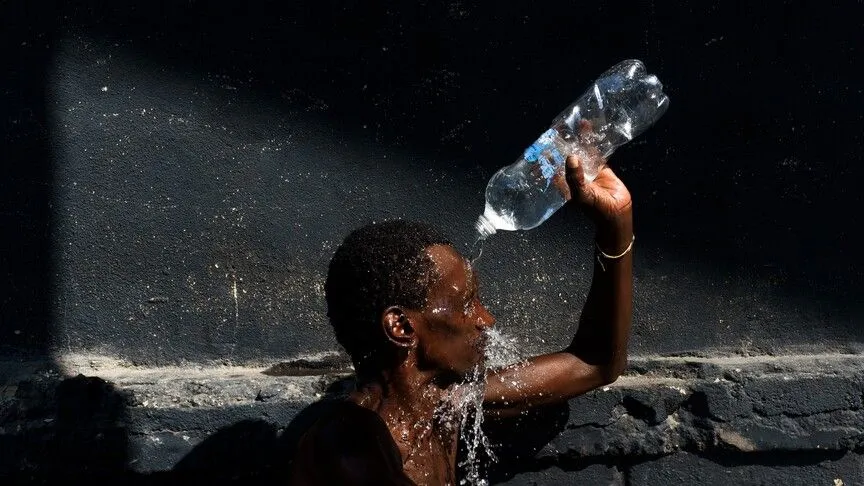
Nigeria’s National Emergency Management Agency (NEMA) has issued a comprehensive public safety advisory, detailing how citizens can protect themselves and their livelihoods from a forecasted “Super El Niño” expected to cause extreme temperatures and drought conditions across the country from November 2026 to March 2027.
A “Super El Niño” is defined by climate scientists as an El Niño event where sea surface temperatures in the central and eastern tropical Pacific Ocean rise at least 2°C above average.
While standard El Niño events weaken trade winds and warm the Pacific, a “Super” event involves a much stronger temperature anomaly, significantly altering global weather patterns.
Read More : Gunmen Kill Six in Plateau
This year’s event is projected to be particularly severe, with some models predicting temperature anomalies exceeding 3°C, potentially rivaling or surpassing the historic 1997-98 and 2015-16 events.
For Nigeria, the Nigerian Meteorological Agency (NiMet) has confirmed the onset of a strong El Niño, which is expected to drive hotter-than-usual conditions and erratic rainfall across the region.
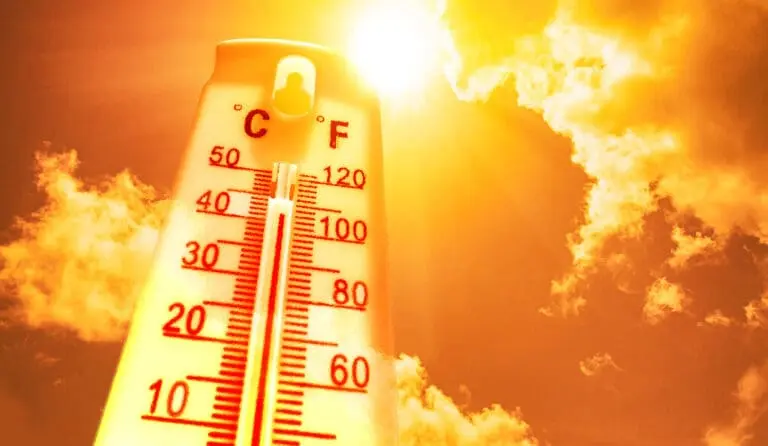
The agency warned that the weather phenomenon will bring hotter-than-usual conditions, with the most intense heat projected between January and February 2027, posing significant risks to public health, water availability, and food security.
“Nigeria faces a Super El Niño from Nov 2026 to Mar 2027,” NEMA stated in its advisory.
“Higher temperatures. More heat. Greater risks. Let’s be prepared.”
To mitigate the severe impact of the climate event, the agency outlined a multi-pronged survival strategy for ordinary Nigerians:
Combating Extreme Heat and Health Risks
With temperatures expected to soar, NEMA advised citizens to prioritise hydration and limit exposure to the sun, particularly between 12 pm and 4 pm.
Vulnerable groups, including children, the elderly, and those with underlying health conditions, are at the highest risk.
“Stay hydrated, drink water frequently, avoid alcohol and excessive caffeine,” the agency advised, adding that citizens should watch for symptoms of heat-related illnesses such as dizziness, weakness, and high body temperature.
“Seek medical advice if you have underlying health conditions.”
Water and Food Security
The agency cautioned that the extreme heat will likely lead to reduced water availability and increased crop failure.
It urged households to conserve water, fix leaks, and harvest rainwater where possible.
For food security, NEMA recommended storing non-perishable food items and supporting local farming.
“Plant drought-resistant crops, use climate-smart farming,” the agency said, while advising against the wanton felling of trees to maintain environmental balance.
Economic and Livelihood Protection
To cushion the economic blow of potential droughts, NEMA advised citizens to embrace income diversification and take advantage of government agricultural support programs.
Farmers were specifically urged to utilise improved farming practices and reduce post-harvest losses.
The Intersection of Heat and National Events
The advisory noted the overlap of the extreme heat with key national events. With Ramadan and Lent falling between February and March 2027, religious bodies were urged to provide shaded areas, water, and first-aid support.
Furthermore, with the Nigerian general elections scheduled for January 2027, NEMA warned that extreme heat could increase health risks during political activities.
It tasked the Independent National Electoral Commission (INEC) and security agencies to provide shade, water, and medical support at rallies and polling units.
Community Action and Staying Informed
NEMA stressed that surviving the climate event requires collective effort.
It encouraged residents to participate in community early-warning efforts, share information, and check on vulnerable neighbours.
“Follow updates from NEMA, NiMet, and health authorities,” the agency said, emphasising the need to heed official warnings and report emergencies to local authorities.
“Together, we can reduce the risks and protect lives,” NEMA concluded, urging the public to adopt the mantra “Be Prepared. Be Safe.”
⚠️ SUPER EL NIÑO IS COMING. ARE YOU PREPARED?
As Nigeria prepares for the anticipated 2026/2027 Super El Niño phenomenon, taking precautions early can help protect lives, livelihoods and property.
Stay informed through official weather updates, follow safety advisories, prepare your household for possible emergencies, and work with your community to reduce disaster risks.
Preparedness starts with you. Protect yourself, protect your family, protect your community.
Follow NEMA’s official channels for verified information and safety guidance.
#NEMA #SuperElNiño #DisasterPreparedness #EarlyWarning #EarlyAction
— NEMA Nigeria (@nemanigeria) October 25, 2026