Trending

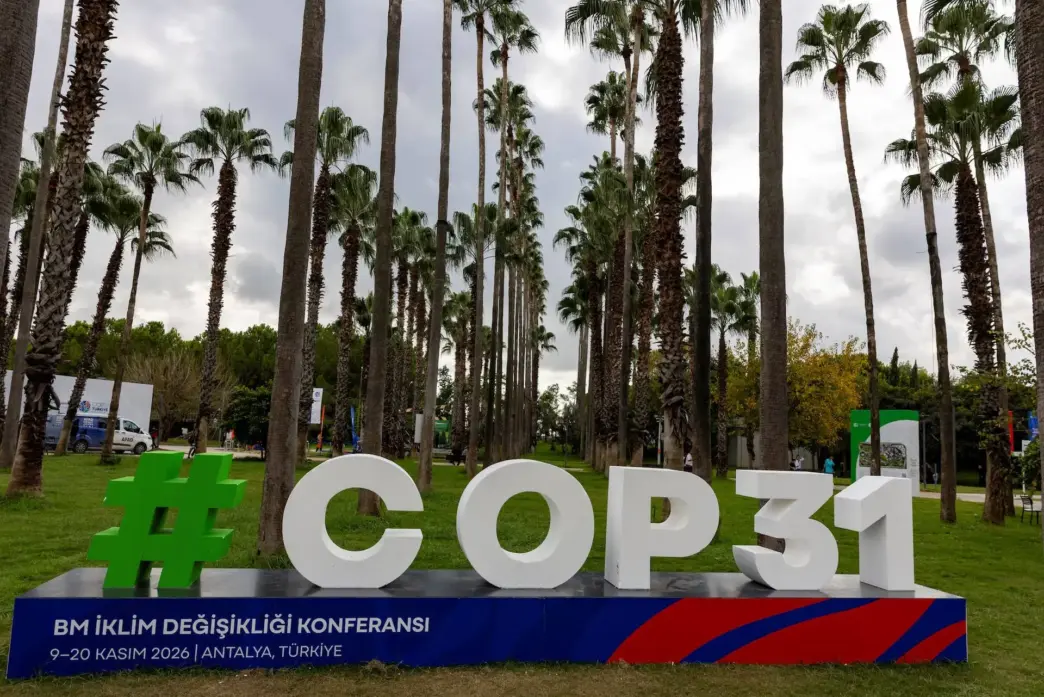
The European Union (EU) and several allied nations rejected the main COP31 climate pact in Antalya, Türkiye, on Sunday, pushing the summit into a record 44 hours of overtime because the draft omitted any mention of fossil fuels.
Ireland’s climate minister Darragh O’Brien, whose country holds the rotating EU presidency, refused to back the text.
“We will not endorse a cover decision… that does not even mention fossil fuels, which is the key driver of climate change,” he said.
COP31 President Murat Kurum acknowledged the impasse at the closing session, telling delegates, “I understand that there is no agreement on this text. For that reason, these decisions have not been adopted.”
Negotiations chief Australia had sought a broad cover decision to guide future climate action amid soaring energy prices and Middle East tensions triggered by the US-Iran war.
However, fierce opposition from petrostates like Saudi Arabia stripped coal, oil, and gas from the final proposal, turning COP31 into the longest UN climate conference on record.
Fossil Fuel Interests
Marshall Islands climate envoy Kathy Jetnil-Kijiner joined Panama, Vanuatu, and Belize in opposing the deal.
“We will not compromise our future to benefit fossil fuel interests. We will not accept an outcome that undermines our security and threatens our future,” she told delegates, while O’Brien told AFP outside the hall that some oil states had “hijacked” the summit.
Consensus among nearly 200 nations underpins U.N. climate talks, and on Saturday, threats of a walkout forced emergency talks between Türkiye and Australia on one side and the EU and Saudi Arabia on the other.
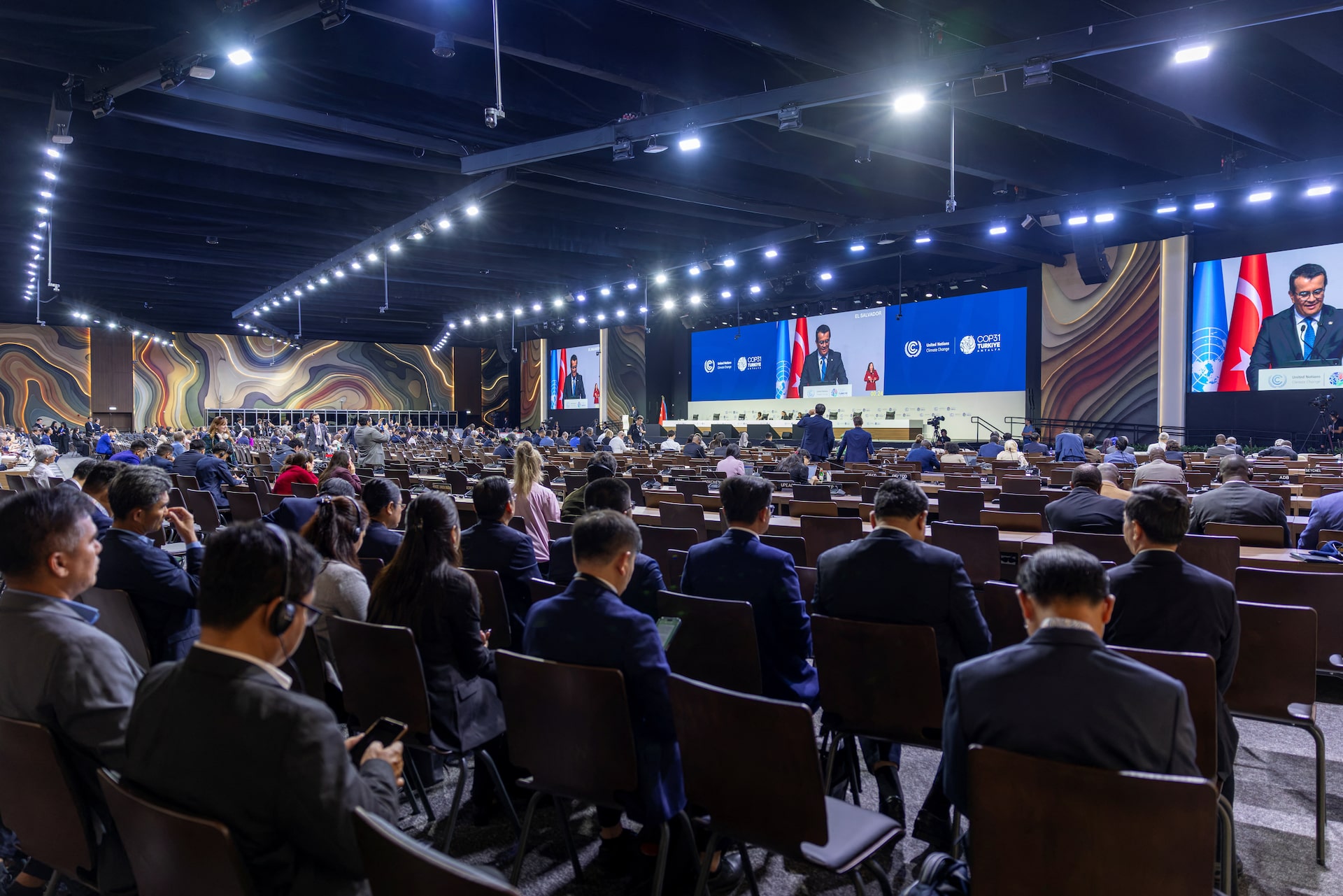
The resulting draft only hinted at a 2023 pledge to transition away from fossil fuels while promoting carbon capture.
Speaking for the Arab Group, Saudi negotiator Mohammad Ayoub defended the broader approach: “We believe that climate change requires all solutions on the table and that countries select from these solutions depending on their national circumstances.”
Campaigners condemned the compromise, with 350.org’s Sara Shaw warning, “This text isn’t a climate plan. It’s a licence to keep polluting.”
Fossil Fuel Deadlock
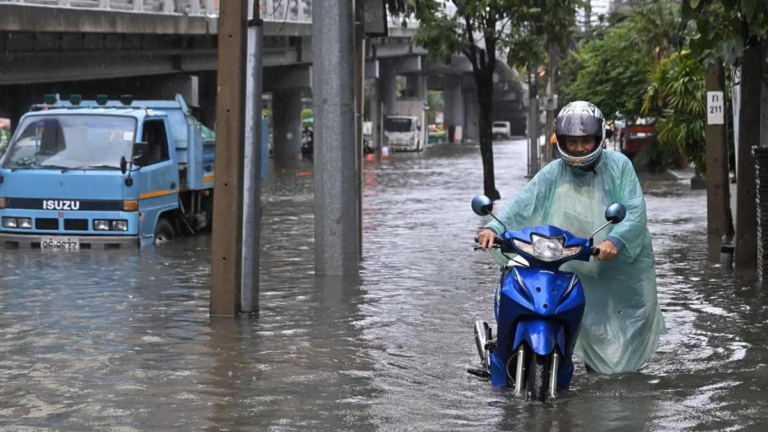
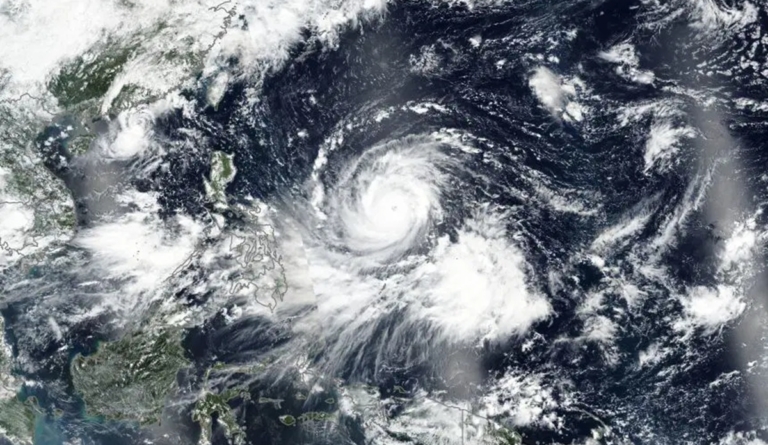
To sidestep the fossil fuel deadlock amid climate disasters across Europe, Nepal, and Indonesia, Türkiye and Australia pushed electrification, proposing that electricity reach 35 per cent of final energy consumption by 2035.
Yet the draft omitted any requirement to generate that power from renewables, even though coal and fossil gas produce over half of global electricity.
Friction also flared after Saudi Arabia, India, and Kenya moved to delay upcoming Intergovernmental Panel on Climate Change reports ahead of the 2028 global stocktake, and as nations clashed over the looming breach of the Paris Accord’s 1.5°C warming limit.
“We are profoundly disappointed by the substance of the cover decision,” UK climate negotiator Kate Hughes said.
“It moves us backwards on the science… It is a lowest common denominator where it should have been, instead, presenting bold collective ambition on climate action.”
Disputes over climate finance also stalled negotiations after drafters stripped a $120-billion adaptation target from the text, sparking anger among developing nations. Jetnil-Kijiner criticised wealthy countries for failing to deliver funding.
“We need finance, yet our partners showed up to this COP with empty hands,” she said. “We cannot do this on our own. We cannot survive on empty promises.”