Trending

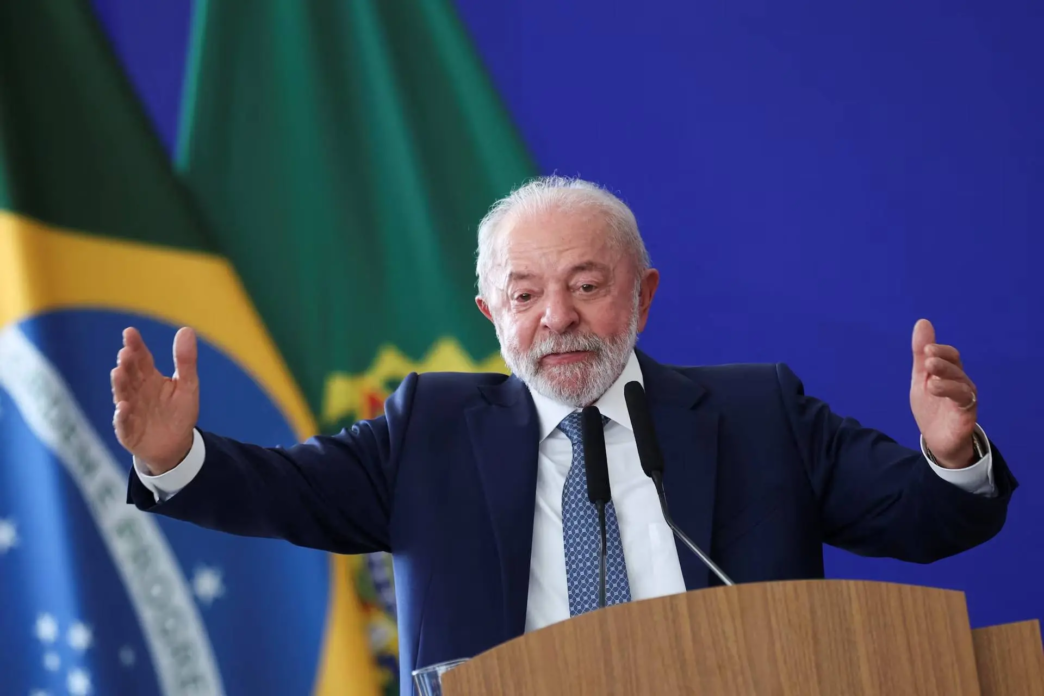
Brazilian President Luiz Inácio Lula da Silva has secured an unprecedented fourth term after defeating conservative rival Flávio Bolsonaro, who has rejected the outcome and vowed to seek the annulment of Sunday’s election.
Official results showed Lula winning 51.8 per cent of the vote against 48.2 per cent for Bolsonaro, the son of former far-right president Jair Bolsonaro. Lula secured approximately 4.4 million more votes than his rival.
Lula’s dramatic comeback meant Brazil had not followed Argentina, Chile, Colombia and Peru, all backed by US President Donald Trump, in swinging to the right.
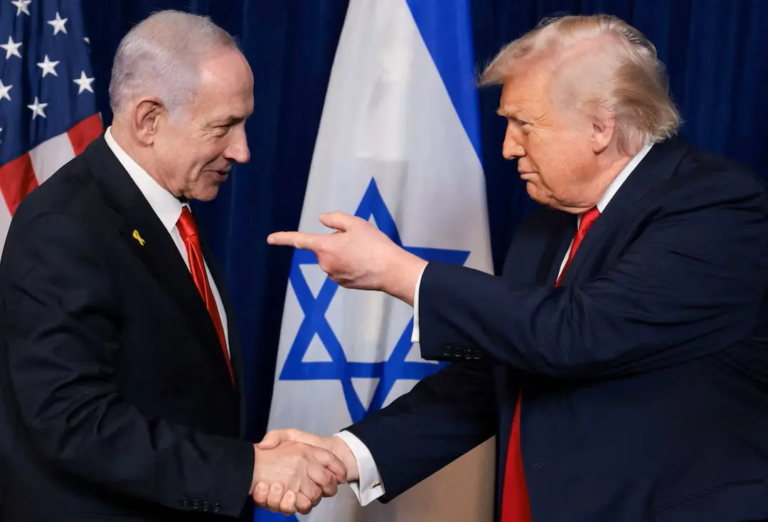
Read More : Trump Tells Israelis to Vote for Netanyahu
European Commission President Ursula von der Leyen congratulated Lula, describing his victory as a win for democracy and multilateral cooperation.
Leaders from Mexico, Cuba and Venezuela also welcomed his re-election, while governments in Chile, Ecuador and Peru expressed willingness to work with Brazil.
Chinese officials and Indian Prime Minister Narendra Modi also congratulated the Brazilian leader.
Fireworks and vuvuzelas rang out in Rio de Janeiro, while thousands of people dressed in red, the color of Lula’s Workers’ Party, streamed into the streets of Sao Paulo to celebrate.
Speaking after his re-election, Lula credited voter mobilisation with securing the result, saying his campaign had persuaded people that participating in the election was essential to protecting democracy.
“People went to vote because we managed to convince them that voting was very important for ensuring democracy in the country,” Lula said.
Sunday’s voting was complicated by a Supreme Court decision extending polling hours by two hours after some polling stations had already closed.
The extension followed a request from Lula, who alleged that buses had been withdrawn from service in several cities, preventing some voters from reaching polling stations.
Bolsonaro also sought additional voting time in some areas because of heavy rainfall but condemned the ruling as unacceptable and politically motivated.
In a brief address in Brasília, Bolsonaro declared that he would not accept the outcome and intended to challenge it in court.
“It is impossible to recognize the results. I am going to request the annulment of these elections,” he said.
His father, Jair Bolsonaro, is serving a 27-year prison sentence for attempting a coup following his defeat by Lula in the 2022 presidential election.
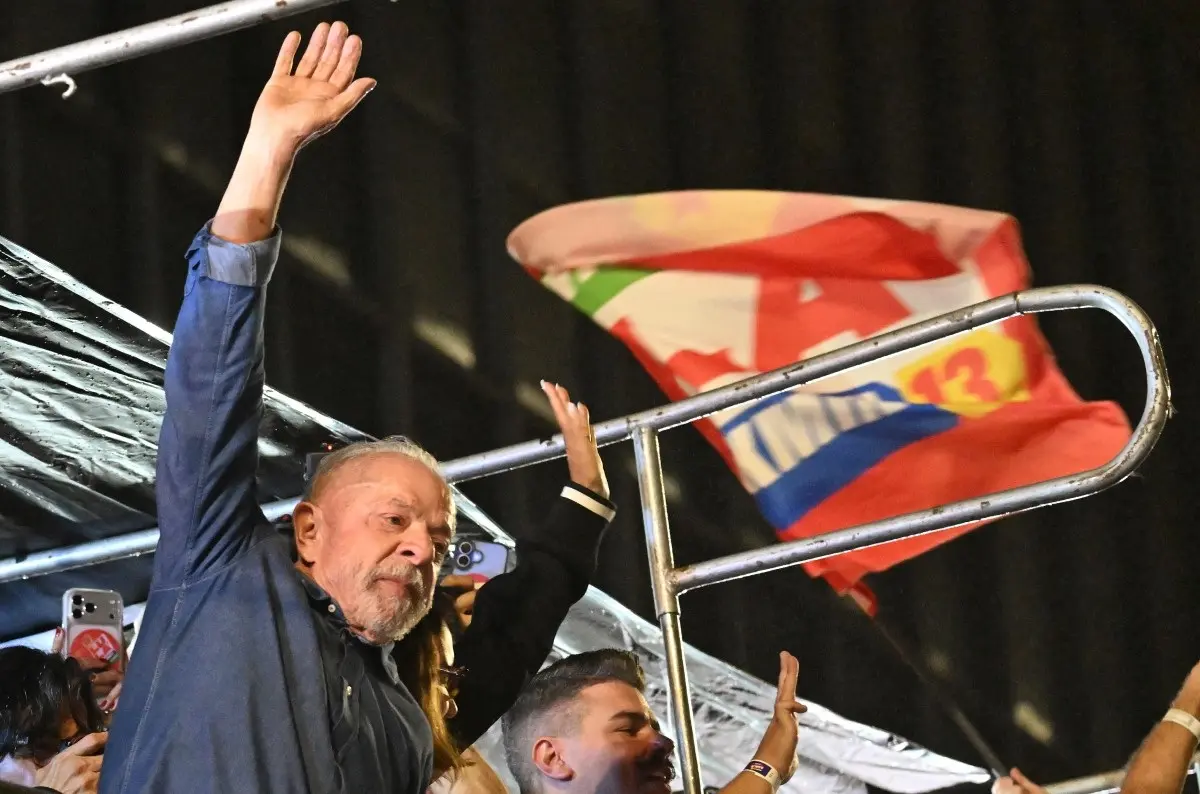
Lula’s victory follows an intensive campaign by left-wing supporters after his first-round setback. His allies organised large rallies under the slogan “Never Again Bolsonaro” and expanded their social media outreach to mobilise voters.
In Rio de Janeiro, lawyer Julio Canelo, 42, described the result as a victory for the broader democratic movement, crediting supporters who campaigned both online and on the streets.
Social media also became a major battleground during the election.
Lula’s campaign accused Meta, the parent company of WhatsApp, Facebook and Instagram, of favouring Bolsonaro through alleged manipulation of its algorithms.
Meta denied the accusation but acknowledged that technical errors had led to the mistaken deactivation of some advertisements supporting Lula.
After the election, Lula renewed his call for greater regulation of social media companies.
“We are going to have to regulate them,” Lula said.
The bitter contest, marked by scandals and personal attacks, reflected the political divisions that have shaped Brazil over the past decade.
Lula, who turns 81 on Tuesday, returns to office despite strong opposition from voters who supported Bolsonaro’s promise of political change.
The president first took office in 2003 and won re-election in 2006 before returning to power in 2022, following the annulment of corruption convictions that had led to his imprisonment for more than 18 months.
During his third term, Lula oversaw lower inflation and unemployment and expanded efforts to reduce hunger. However, the cost of living and concerns about crime remained major issues for voters.
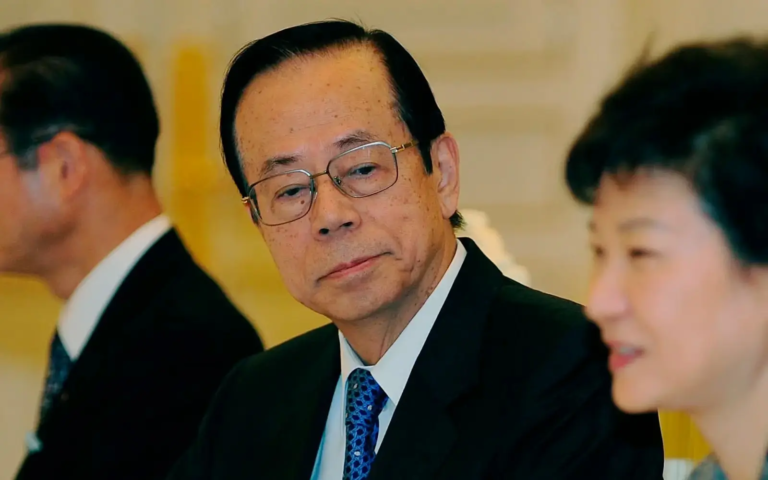
Read More : Japan’s Former PM Yasuo Fukuda Dies At 90
Bolsonaro, 45, sought to distinguish himself from his father by presenting a more moderate and approachable image, attracting conservative supporters as well as voters looking for a change in leadership.
Tereza Cristina Ramos, a 68-year-old retiree who voted in Rio de Janeiro, described the economic pressure facing households, saying many people were struggling to afford food and had cut back on buying meat.
Lula will be 85 by the end of his new term in 2030. His administration will also have to contend with a Congress dominated by right-wing lawmakers, potentially complicating efforts to advance his policy agenda.