Trending
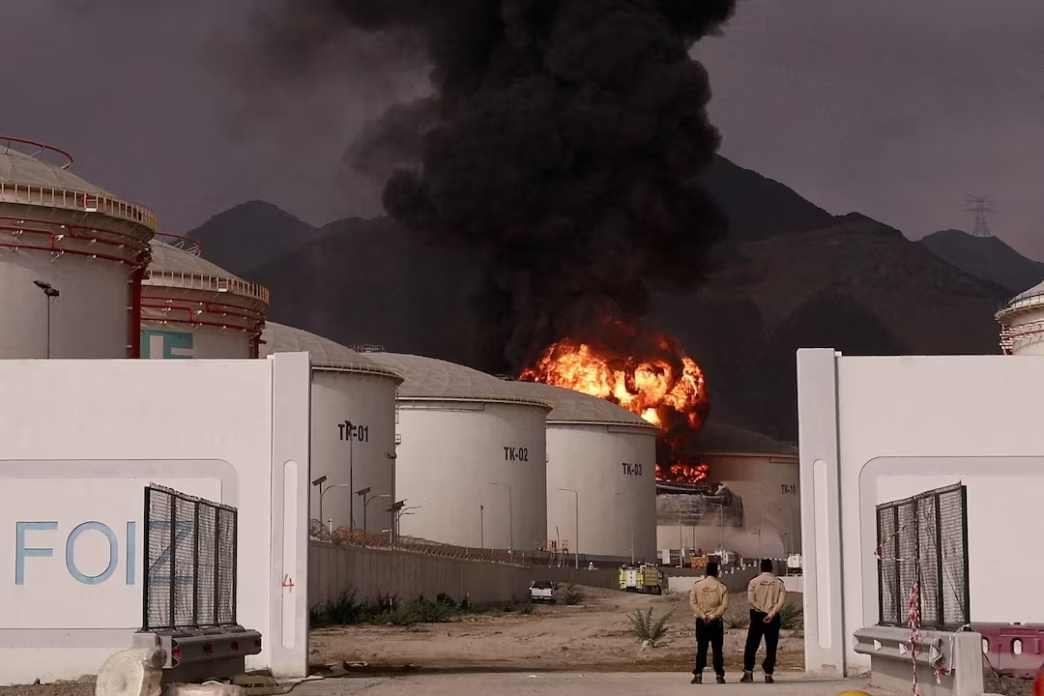
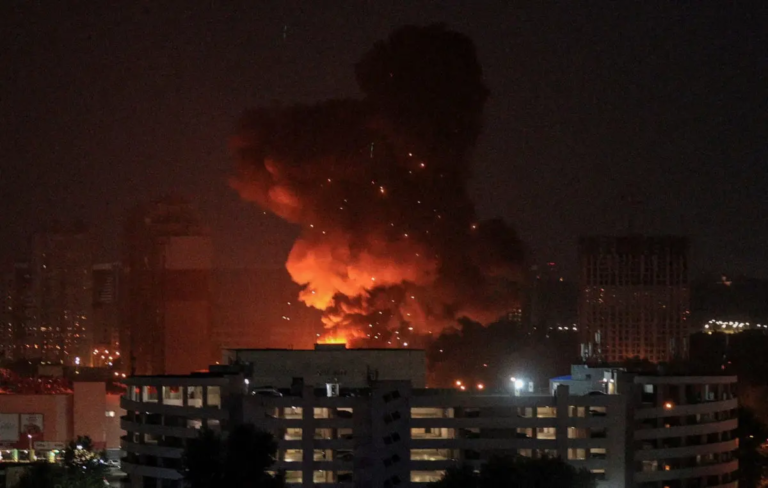
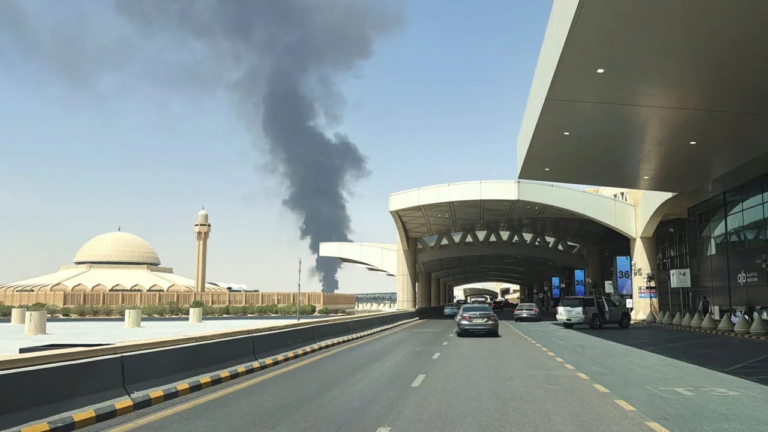
Iran struck critical infrastructure across the Gulf on Saturday and threatened a full-scale offensive in retaliation for a week of intensifying US airstrikes.
The renewed fighting erupted just one month after both nations abandoned a preliminary peace deal, pushing the conflict into a broader range of targets.
Tehran accused Washington of striking airports, bridges, and civilian utilities, prompting immediate Iranian retaliatory strikes against American allies in the region.
Read More : Drone Barrage on Moscow Kills Two
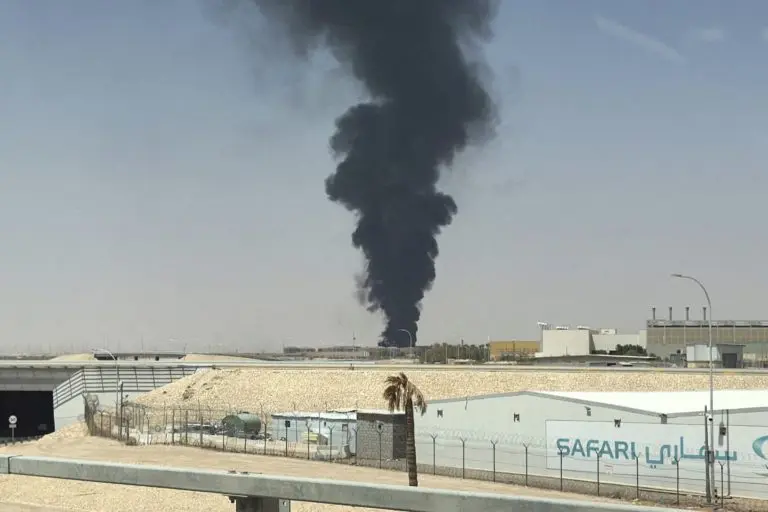
In Kuwait, Iranian attacks hit an oil facility, a power plant, and a water desalination facility, forcing authorities to deactivate several electricity generation units and leaving firefighters injured.
Kuwaiti citizens flooded stores to stock up on emergency supplies as fears of prolonged supply chain disruptions grew.
Meanwhile, Bahraini air defences repelled a wave of Iranian attacks targeting a US-utilised air base, and Jordan reported shooting down 10 missiles aimed at its Al-Azraq base.
Read More : German State Elections Put Merz Under Pressure

Major General Mohsen Rezaei, a senior military adviser to Iran’s supreme leader, warned that Tehran will no longer limit itself to like-for-like responses and declared that no political border will remain safe if US strikes continue.
Inside Iran, officials reported that recent US bombardments killed at least 11 people over the past 10 days, knocked out over 100 telecommunication towers, and severed drinking water supplies to southern villages.
The Gulf Cooperation Council condemned Iran’s infrastructure strikes, labelling them war crimes that require international prosecution.