Trending
Adeleke’s 66,252-vote win shows South West loyalty must now be earned, and a 31-state party structure cannot deliver it.
On August 15, Governor Ademola Adeleke won re-election in Osun by 511,067 votes to 444,815, defeating the All Progressives Congress (APC) candidate Bola Oyebamiji by 66,252 votes and carrying 19 of the state’s 30 local government areas.
He did it without a major party.
Read More : NAFDAC Probes NYSC Corps Member’s Death in Enugu
Adeleke ran under the little-known Accord Party after leaving the People’s Democratic Party (PDP), and still beat the ruling party’s machine in President Bola Tinubu‘s own region.
This was not an isolated upset.
It shows a structural shift that the APC’s control of 31 of Nigeria’s 36 states cannot capture: Nigerian elections are becoming candidate-driven, not party-driven.
Osun is not a prediction of the 2027 presidential election, but it is a warning light the president and his party cannot afford to ignore.
Osun has never been easy for the APC
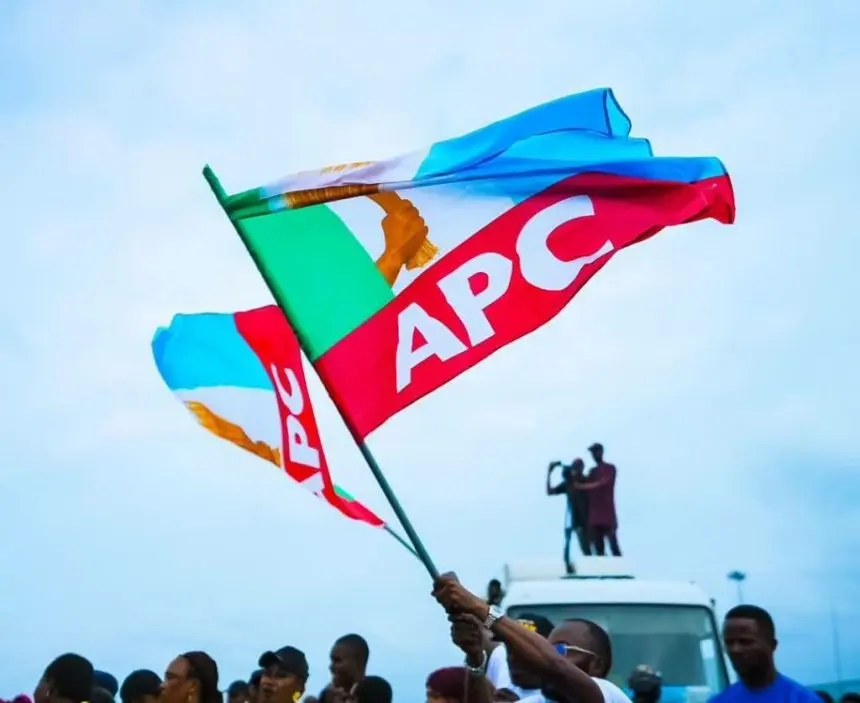
The state’s recent history shows voters who refuse to follow national political trends.
In the 2022 governorship election, Adeleke, then of the PDP, defeated the incumbent APC governor, Gboyega Oyetola, by 403,371 votes to 375,027, a margin of about 28,000.
One year later, in the 2023 presidential election, PDP candidate Atiku Abubakar took Osun with 354,366 votes to Tinubu’s 343,945, while Peter Obi of the Labour Party polled 23,283.
Osun rejected Tinubu in 2023 without rejecting the APC at every level, and that distinction matters.
Now 2026 has produced a third twist: Adeleke won again, this time on the Accord platform.
The Adeleke political brand has become bigger than the party carrying his name on the ballot.
Voters now separate governors from presidents
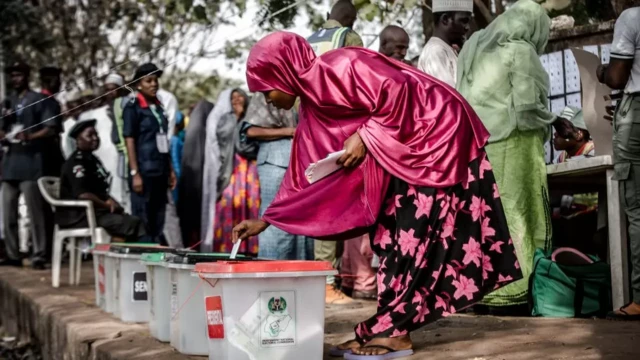
The real lesson for Tinubu is not that Osun voters have abandoned the APC.
It is that Nigerian voters are increasingly willing to separate local performance, personality and national politics.
Adeleke campaigned on his record as governor and his connection with voters, proving that a candidate does not need the backing of the national ruling party to win a major South West election.
The APC’s structural advantage looks formidable on paper.
Data analysis published by Dataphyte before the Osun election noted that the ruling party controlled 31 of the country’s 36 states.
But state control does not translate into presidential votes.
A governor can win his state without his party winning the presidency, and a presidential candidate can win a state while losing the governorship.
Osun proved both in the space of a single year.
Turnout, not structures, will decide 2027
The second signal politicians should watch is participation.
INEC registered 2,339,233 voters in Osun for the 2026 election, up from 1,954,800 in 2023, an increase of more than 384,000 voters who can upend every existing calculation.
Meanwhile, presidential election turnout has collapsed from 53.7 percent in 2011 to 43.6 percent in 2015, 34.7 percent in 2019 and just 26.7 percent in 2023, according to INEC.
Its chairman, Joash Amupitan, has warned publicly about the decline.
That means 2027 will not be decided by who has the largest political structure.
It will be decided by who can convince Nigerians to leave their homes and vote, which is precisely where Osun becomes interesting.
Osun cannot predict 2027
This is where analysis must resist exaggeration.
Osun is one state; the presidential election is a national contest across 36 states and Abuja, with a constitutional spread requirement: the winner needs the highest vote nationwide plus at least 25 percent in two-thirds of the states and the FCT.
Tinubu won in 2023 with 8,794,726 votes, ahead of Atiku’s 6,984,520 and Obi’s 6,101,533.
Tinubu and Atiku won 12 states each, Obi took 11 plus the FCT, and Rabiu Kwankwaso of the NNPP carried Kano.
Turkey offers the cautionary parallel.
In 2019, the opposition won the mayoralties of Istanbul and Ankara, victories read worldwide as a warning to President Recep Tayyip Erdogan.
Four years later, Erdogan won re-election anyway, because his opponents could not convert local wins into a credible national challenge.
Local warnings become national verdicts only when someone builds the machinery to turn them into national verdicts.
What the APC must ask itself
If Osun is not a prediction, it is a demand for hard questions.
The APC can no longer assume South West voters will remain loyal because Tinubu is from the region.
In 2023, Osun resisted the APC presidential machine; in 2026, it went further and re-elected Adeleke despite his move to a minor party.
So the party must ask: are voters feeling the impact of the government’s economic reforms? Are young voters connecting with the administration? Can its grassroots structures still mobilise anyone?
And the hardest question of all: does the APC understand the difference between having political structures and having voters’ confidence?
Adeleke has his own 2027 test
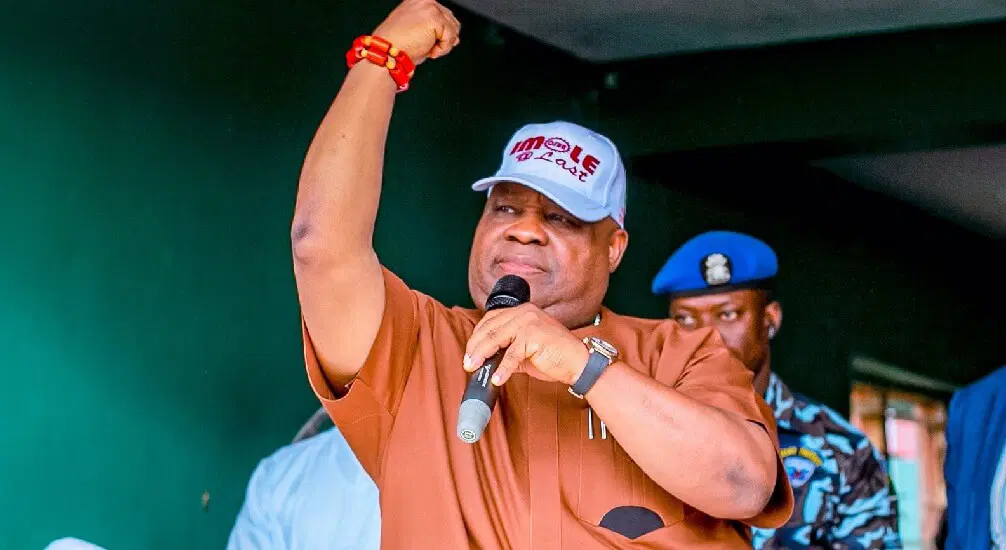
The Osun message is not only for Tinubu.
Winning Osun does not create a national opposition coalition.
To unseat an incumbent president, the opposition needs a credible national candidate, a clear message, disciplined coordination and support across Nigeria’s regions.
The 2023 election showed what happens when opposition votes fracture among Atiku, Obi and Kwankwaso.
If that fragmentation returns in 2027, the APC will benefit even where its popularity has collapsed, exactly as Erdogan did.
A warning, not a verdict
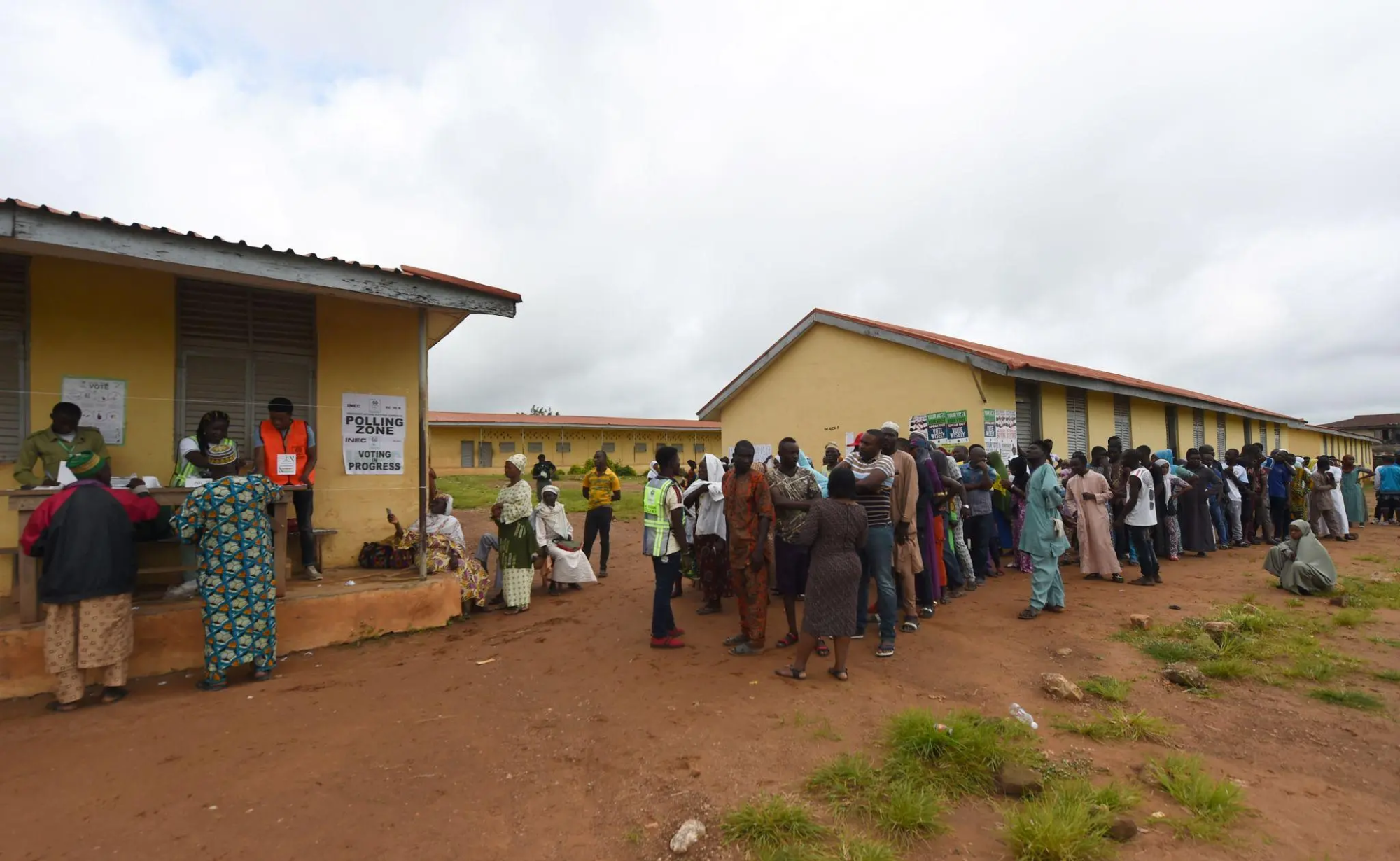
In 2022, Osun voters removed an APC incumbent.
In 2023, they rejected Tinubu.
In 2026, they defeated his party again, on a different platform entirely.
The pattern is impossible to ignore: these voters change their choices, and they punish complacency.
Whether the rest of Nigeria follows is the question 2027 will answer.
But Osun’s message is already simple: South West support can no longer be inherited.
In 2027, it will have to be earned, one voter at a time.