Trending
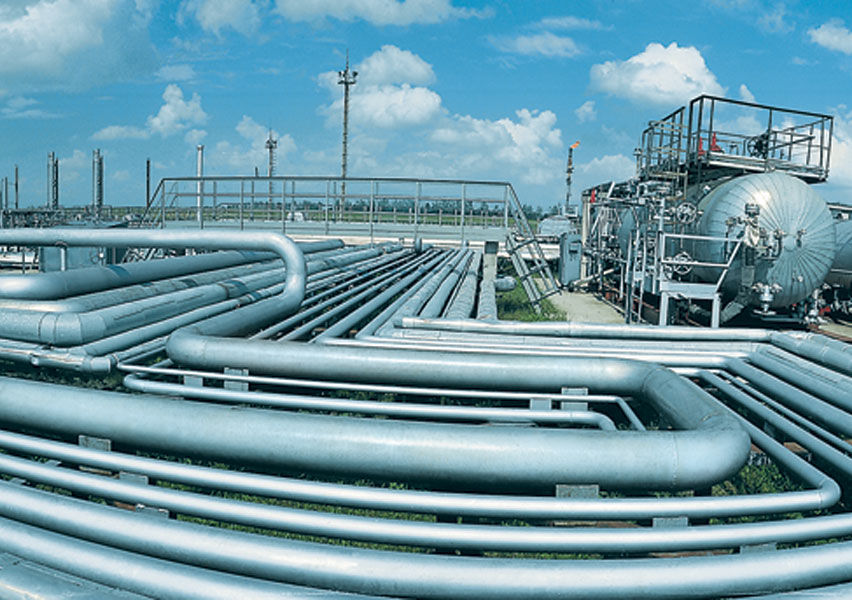
Industry stakeholders at the 2026 Nigeria Oil and Gas (NOG) Energy Week have called for accelerated gas monetisation as a critical pathway to energy security, economic growth, and environmental sustainability, with one operator confirming it has already begun capturing associated gas for commercial use.
The conversation at the conference, which runs from July 5 to 9 in Abuja, has shifted from crude oil to gas development.
Senior government officials, including the Minister of Petroleum and the Minister of State for Petroleum, have delivered keynote addresses on Nigeria’s gas roadmap.
Speaking to News Central TV’s Mercy Babajide on the sidelines of the event, a representative of Nigerian energy firm SEPLAT, Fred Uwabor, said the company had moved beyond flaring to monetising all associated gas from its offshore operations.
“We didn’t just flare gas from offshore, we are monetising all of them to use it to make money,” Fred told Babajide.
“So we’ve started monetising, improving increasingly, we’ll continue to monetise but that awareness from the side of our JV partners, the side of local players who are just coming into the fold, they will need to hasten up in their gas monetisation, not just the crude alone, so that we can make the environment safe while we make money,” he said.
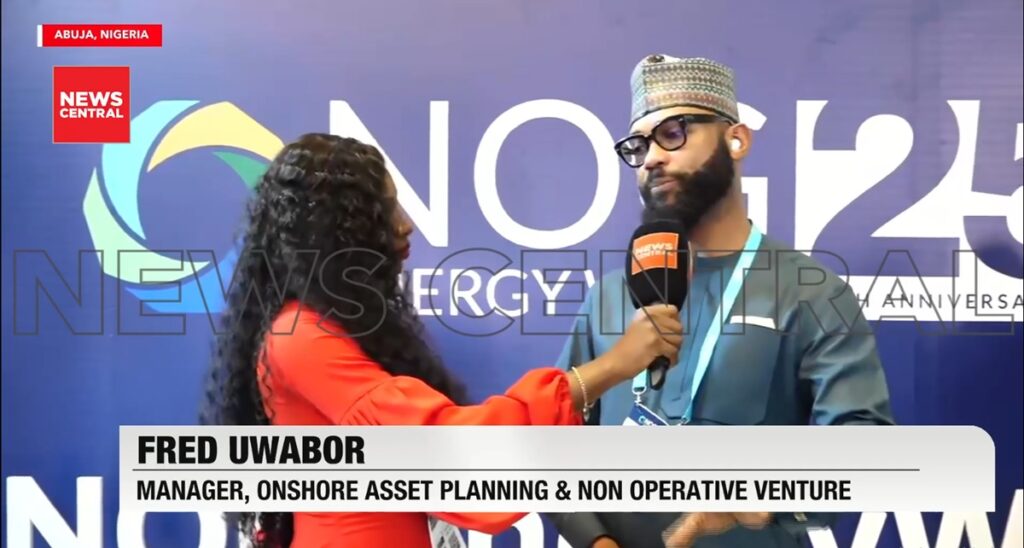
He said the company had invested in compressors and gas processing plants to capture associated gas that would otherwise have been burned off.
Fred said the government’s gas monetisation roadmap would raise awareness and encourage joint-venture partners and local players to accelerate their own gas development efforts.
“That awareness from the side of our JV partners, the side of local players who are just coming into the fold, they will need to hasten up in their gas monetisation, not just the crude alone, so that we can make the environment safe while we make money,” he said.
Discussions at @NOGEnergyWeek 2026 have focused on gas monetisation and its place in Nigeria’s energy transition. @SeplatEnergy says its investments in gas infrastructure have helped eliminate flaring, enabling the company to convert associated gas into commercial value while… pic.twitter.com/8CafF7fEQy
— News Central TV (@NewsCentralTV) July 7, 2026
Nigeria, Africa’s largest oil producer, has long struggled with gas flaring, which contributes to greenhouse gas emissions and environmental degradation. The government has set targets to end routine flaring, though enforcement has been inconsistent.