Trending
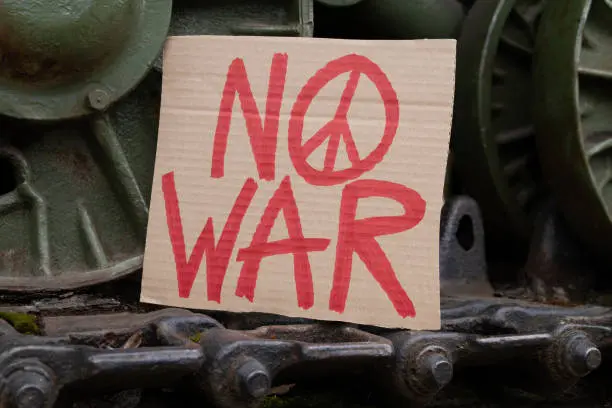
Figures from the United Nations (UN) show Ukraine’s civilian toll is rising, highlighting the human cost of a world becoming numb to war.
In July, 437 civilians were killed and 2,610 injured in Ukraine, the deadliest month for civilians since May 2022, according to the United Nations (UN).
Most of the world read the headline, reacted, scrolled and moved on. That is the problem.
Read More : Defections, Divisions and Tinubu’s 2027 Edge
This numbness is not an individual moral failing, and it is not accidental.
It is the structural product of an attention economy, rolling news cycles and algorithmic feeds that deliver atrocity at a volume no human conscience was built to process.
The danger is not that people have stopped caring. It is that constant exposure is making extraordinary violence feel ordinary.
When 437 deaths become a statistic
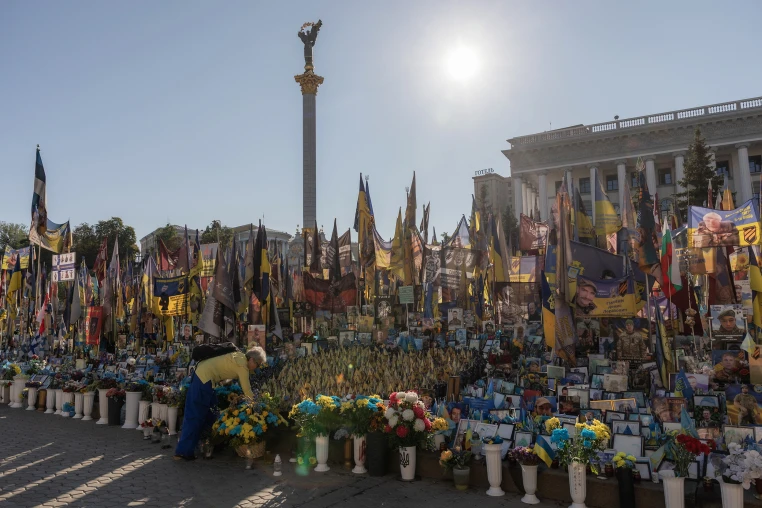
Ukraine shows how the numbing works. Between January and June 2026, the UN documented at least 1,396 civilians killed and 7,978 injured, a 37 percent increase on the same period in 2025.
The first time we hear that 437 people died in a month, it shocks. After years of such figures, it starts to sound like just another number.
But behind every number is a person, someone’s mother, someone’s child, someone who had plans for the following morning.
War coverage, consumed at this volume, makes us forget that.
Gaza shows the same pattern
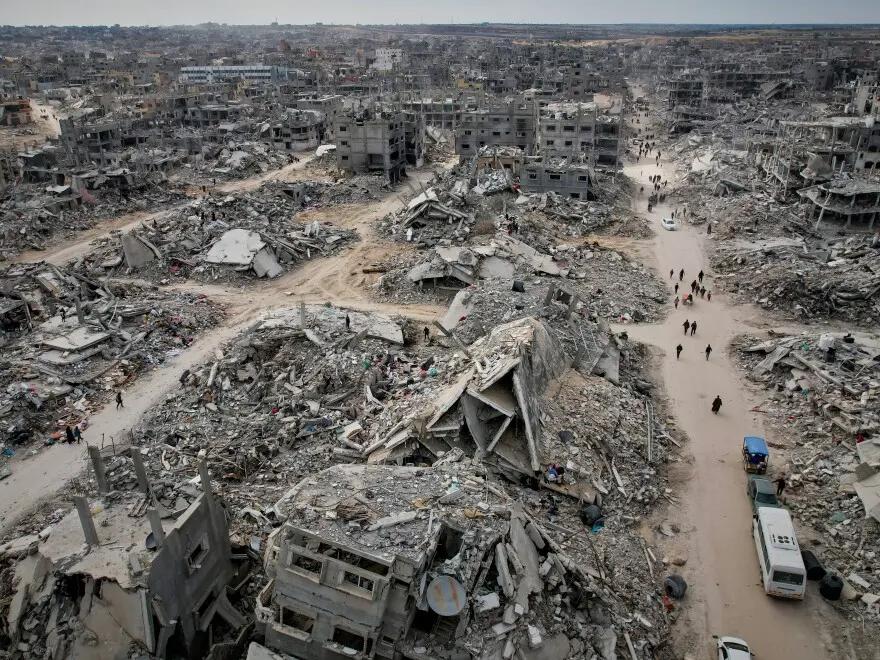
Gaza’s scale is even harder to hold in the mind. UNRWA reported that between October 7, 2023 and June 29, 2026, 73,066 Palestinians had been killed and 173,514 injured, according to figures from Gaza’s Ministry of Health.
The UN says nearly the entire population, about 2.1 million people, has been displaced, facing severe shortages of shelter, food and medical care.
Yet for an audience following from thousands of kilometres away, these realities have become daily background: a destroyed building, a grieving mother, an aid warning, another casualty figure. That is how desensitisation begins.
Sudan is the price of looking away
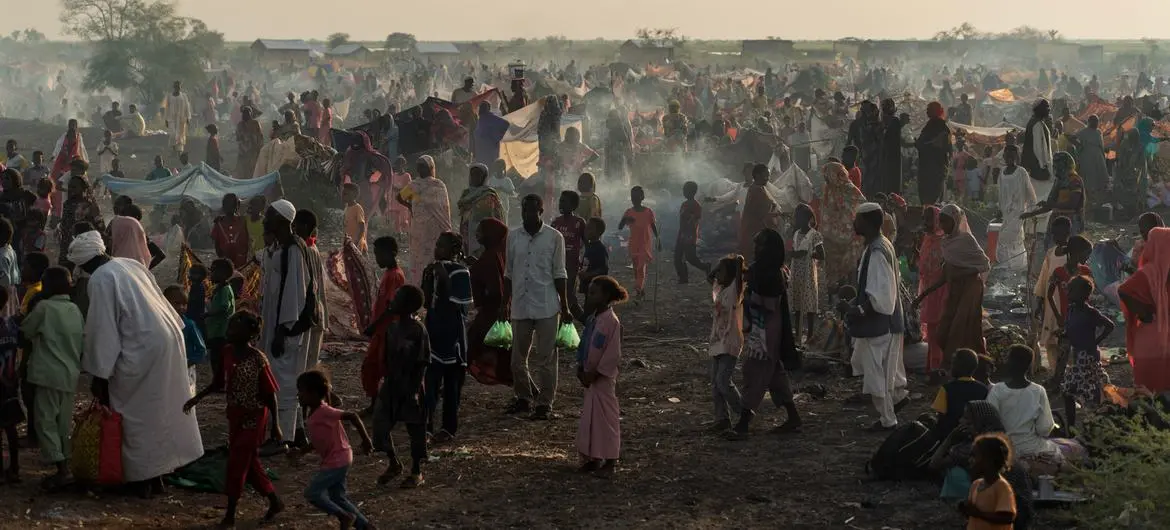
If one conflict exposes where numbness leads, it is Sudan.
The war between the Sudanese Armed Forces and the Rapid Support Forces has produced one of the world’s largest humanitarian catastrophes: UNHCR says Sudan remained the world’s largest displacement crisis, with 9.1 million people internally displaced at the end of 2025.
Yet Sudan receives nowhere near the sustained global attention given to Ukraine or Gaza.
Nine million displaced people have become a footnote, not because their suffering is smaller, but because the world’s capacity to look has been exhausted elsewhere.
That should make every one of us uncomfortable.
We were never built for endless tragedy
Researchers call this compassion fatigue: the emotional exhaustion that develops after repeated exposure to suffering. Research published in the International Journal of Communication has examined how the constant flow of negative news numbs audiences to repeated images of conflict.
Fatigued people are not heartless. The human mind can only absorb so much tragedy before it starts protecting itself, muting words, avoiding the news, scrolling past.
That is understandable. It is also dangerous.
Attention is what protects civilians
Wars are fought by governments, armies and armed groups, but they are fought in an environment shaped by public attention.
When civilian deaths become routine, pressure for accountability weakens.
When displaced people become statistics, their political weight disappears.
The World Health Organisation reported in August that more than 900 attacks on healthcare had been documented in conflict zones since the start of 2026, causing at least 900 deaths and more than 1,400 injuries, with Ukraine, Lebanon and the occupied Palestinian territory among the worst affected.
Those are not statistics about war.
They are evidence of what happens when the boundaries meant to protect civilians collapse, and nobody watches closely enough to object.
One photograph once moved a continent
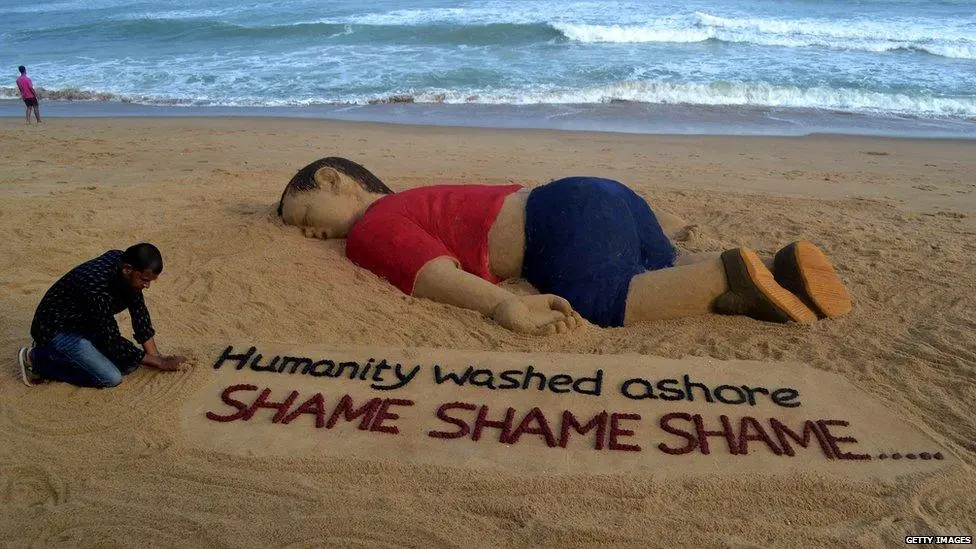
We know attention converts into protection, because it has before.
In September 2015, a single photograph of Alan Kurdi, a three-year-old Syrian boy drowned on a Turkish beach, did what years of casualty figures could not: within days, European governments shifted refugee policy and donations to refugee organisations surged.
One image, one child, one name. That is what an un-numbed public can do. The reverse is equally true.
Where attention is absent, as in Sudan today, impunity fills the space.
Tired is not the same as indifferent
None of this is an accusation against audiences.
A person who has donated, shared, prayed, protested and followed a conflict for years can reach a point where they cannot take in another heartbreaking video.
Needing a break is human.
The danger comes when the break becomes permanent, when we stop asking whether a hospital was bombed, stop demanding accountability, hear that thousands were displaced and barely pause.
That is when fatigue hardens into indifference.
Journalism must humanise, not horrify
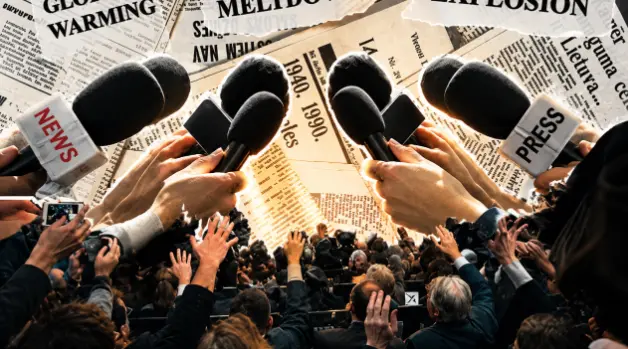
We in the media cannot fix this by showing more disturbing images; that deepens the shutdown.
Our job is harder: humanise without exploiting suffering.
Instead of only reporting that 437 civilians were killed, tell audiences who they were.
Instead of saying thousands were displaced, show where they went.
Instead of another image of a destroyed building, explain what that building meant to its community.
Numbers establish scale. Stories establish meaning.
Good journalism must deliver both without leaving its audience numb, because a numb audience is a demobilised one.
The real danger is no longer that the world is seeing more war.
It is that we may eventually see war and feel nothing, and when suffering becomes ordinary, cruelty becomes tolerable, and accountability becomes impossible to demand.
War is becoming normal on our screens. It must never become normal in our conscience.