Trending
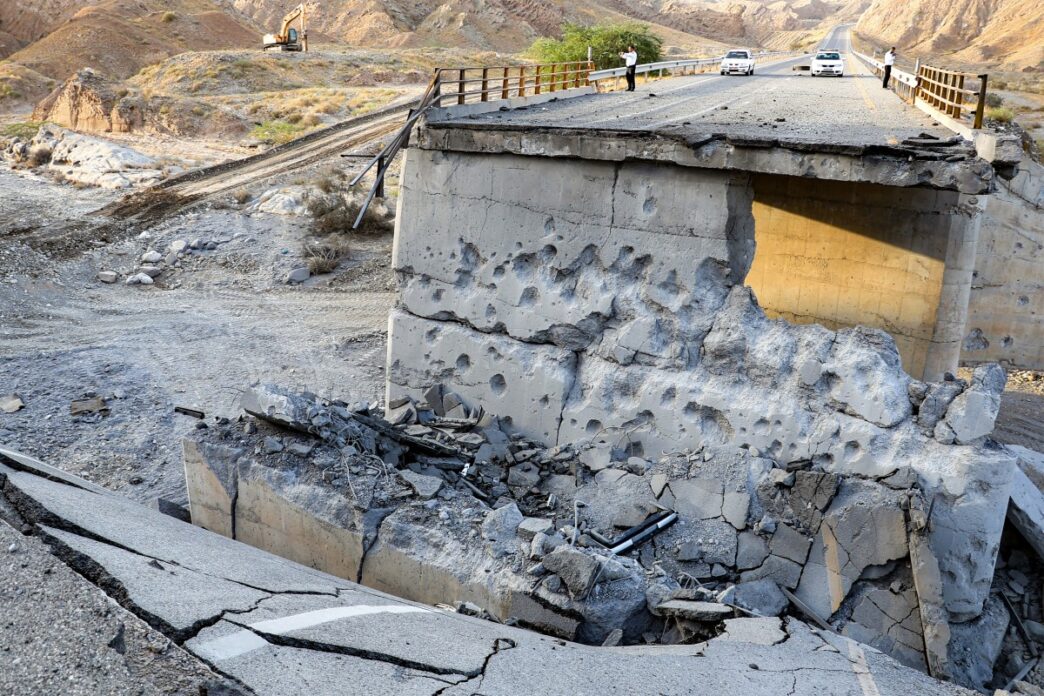
The United States has carried out airstrikes on Iran, aiming to “punish” Tehran following the first US military deaths since hostilities reignited between the two nations.
The attacks represent the eighth consecutive night of US strikes targeting forces believed responsible for the deaths of two American service members in Jordan, according to US Central Command, which said the strikes aimed to “swiftly punish Islamic Revolutionary Guard Corps forces who launched attacks against American service members in Jordan last night.”
Iran quickly retaliated, announcing that two US bases in Kuwait were hit with drones, targeting an ammunition depot at Camp Udairi and Patriot radar and air surveillance systems at Ali Al Salem Air Base. Tehran also reported additional strikes on US facilities in Bahrain and Jordan, including fuel tanks at Al-Azraq base.
Read More : Switzerland Confirms Ebola Case From Nigeria
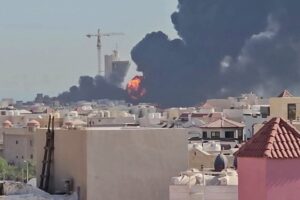
The attacks come after Iran said it had targeted ships and infrastructure in the strategic Strait of Hormuz, a waterway critical to global oil supply.
Iranian Supreme Leader Mojtaba Khamenei, who succeeded his father after the initial US-Israeli strikes, warned of an “unforgettable lesson” for the Americans.
Major General Mohsen Rezaei, Khamenei’s senior military adviser, said Tehran would resume “full-scale offensive operations” if US strikes continued, while central military commander Ali Abdollahi cautioned that further US aggression would face a “decisive and devastating response.”
The renewed violence has disrupted civilian life and infrastructure. Kuwait accused Tehran of targeting vital civilian sites. Iran has reported casualties and damage to power and water facilities in its southern provinces.
Read More : South Sudan Violence Leaves 72 Dead
Efforts to reach a political settlement have faltered, leaving hopes for negotiations over control of the Strait of Hormuz and broader regional stability uncertain.
The conflict has now killed at least 50 people and injured over 500 since the renewed fighting began, intensifying the deadlock between the US and Iran.