Trending


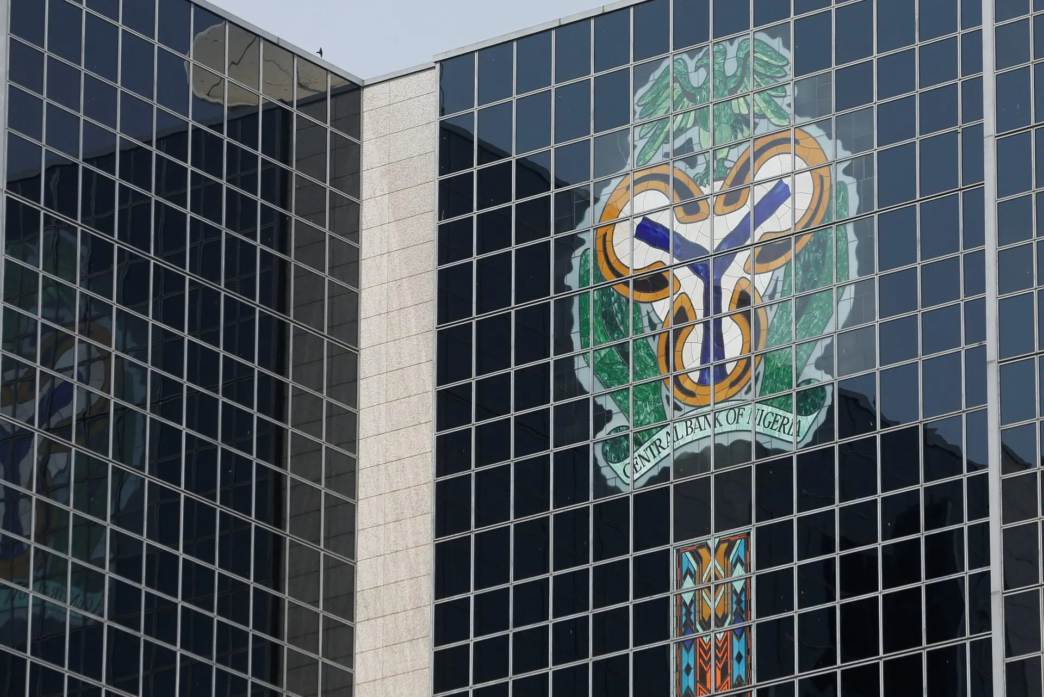
Nigerians who fail to refund money wrongly credited to their bank accounts could face up to 10 years in prison, the Central Bank of Nigeria (CBN) warned on Thursday.
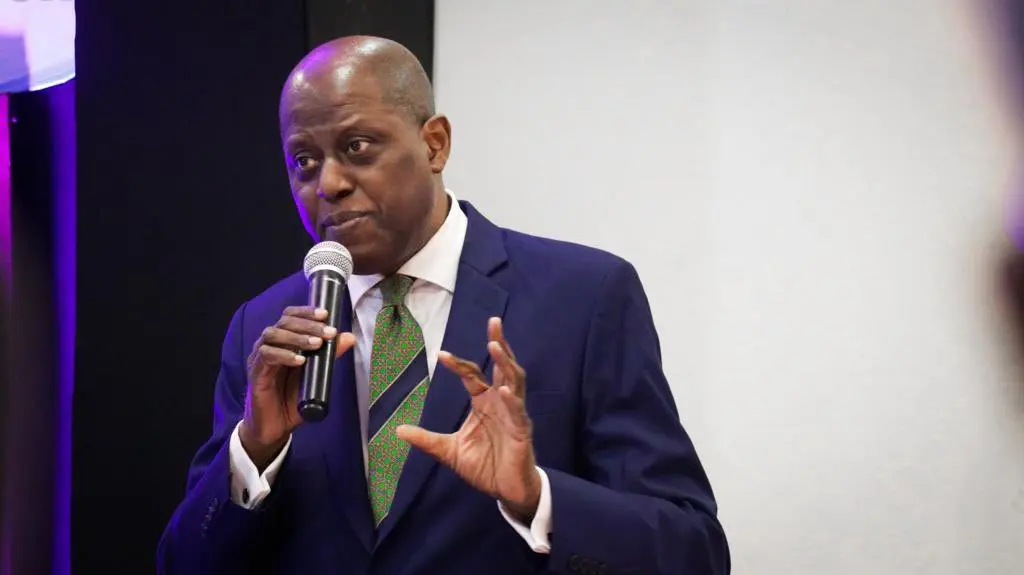
CBN Governor Olayemi Cardoso issued the warning during a stakeholders’ forum in Ibadan, Oyo State, adding that accessing another person’s account information through fraudulent means also carries severe penalties.
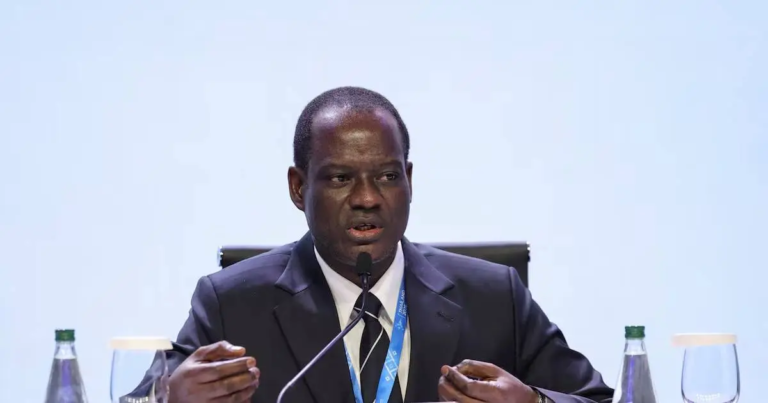
“Obtaining information relating to another person(s) account through fraudulent means attracts severe penalties. A customer who fails to refund wrongly deposited money to the rightful owner attracts 5-10 years’ imprisonment,” Cardoso said in a statement read on his behalf by Hakama Sidi Ali.
Read More : No Campaign Restrictions Over Ebola Yet – Pate
The central bank said its “CBN Listens Programme” is designed to foster dialogue with the public and address concerns directly.
Cardoso noted that the bank has implemented major reforms to strengthen the financial system, including the introduction of a non-resident Bank Verification Number (BVN) for Nigerians abroad and the Nigerian Payments System Vision 2028.
Credit: Channels Television
“The launch of the non-resident BVN to connect Nigerians in the diaspora with local banking services, the system of forex trading, the unveiling of the Nigerian Payments System Vision 2028, and the implementation of the 75 per cent cash reserve ratio on non-treasury single account public sector deposits are intended to improve liquidity management and mitigate risk.
Read More : Nigeria Reports Malaria Prevalence Drop to 15.2%
“The Nigerian Overnight Financial Rate was also introduced by the bank in collaboration with the Financial Market Dealers Association, among other initiatives. This benchmark, which aligns Nigeria’s monetary market infrastructure with international practices, provides a transparent market-based reference rate for short-term lending transactions.
“The CBN firmly believes that economic growth cannot be sustainable unless it is inclusive. Therefore, financial inclusion remains a critical pillar of national development. It expands economic opportunities, reduces poverty, supports entrepreneurship and promotes shared prosperity.
“We, therefore, continue to work closely with financial institutions, fintech companies, mobile money operators, development partners and state governments to expand and extend financial services to underserved populations of Nigerians.”