Trending
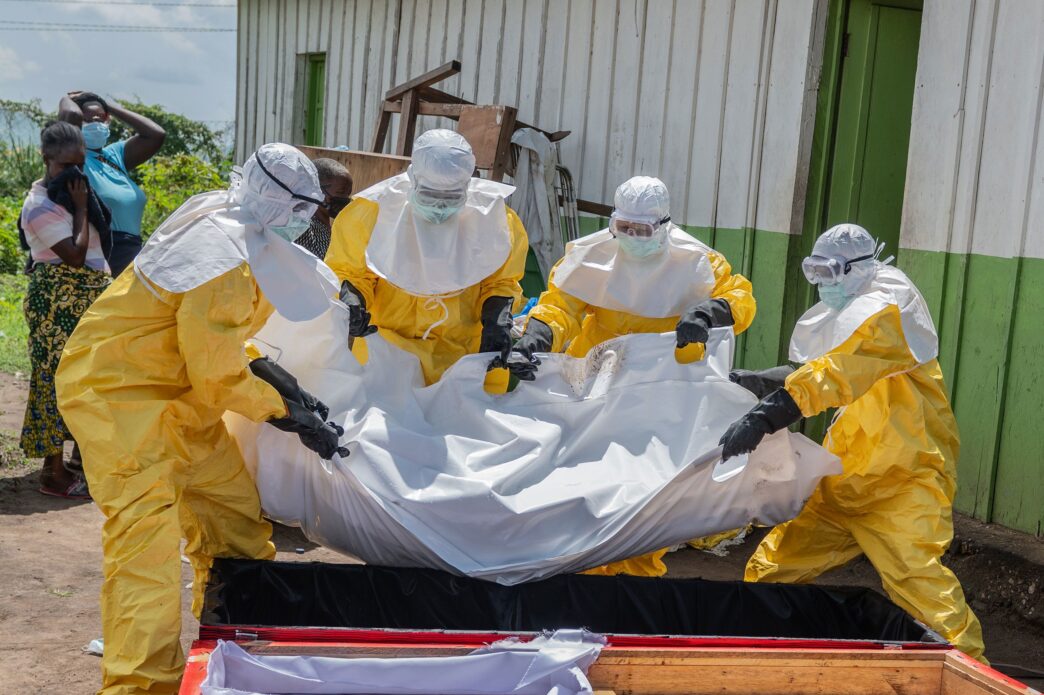
The Democratic Republic of Congo (DR Congo) has been struggling to isolate people suspected of being infected with the Ebola virus since the start of the outbreak.
Richard Kitenge, an incident manager on the DRC’s national response team, said patients believed to have the highly contagious haemorrhagic fever had mixed with the general population in hospitals across the region.
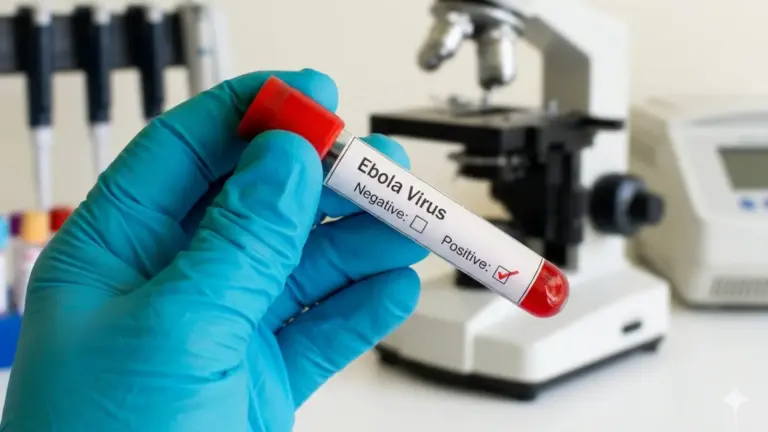
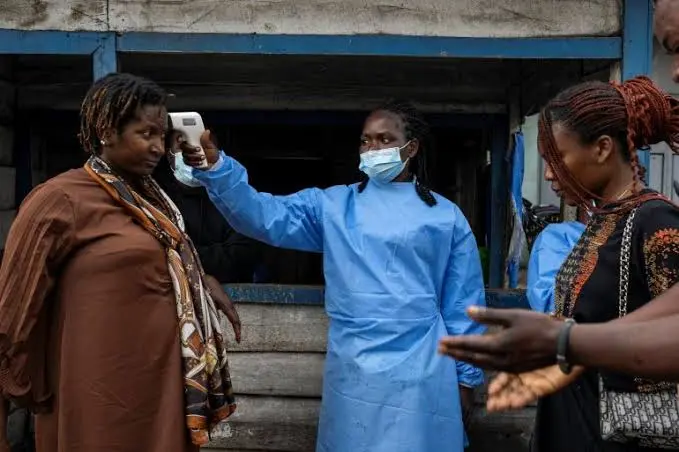
“The first thing we have to do is a triage, remove all suspected cases from the hospital, place them in a temporary intermediate shelter, take samples, and have them analysed,” said Kitenge.
Read More : WHO Begins Ebola Vaccine Trial in DR Congo
The health official told AP that those who test positive will be taken to a special treatment centre, while those who test negative will be considered contacts and monitored by the national response team.
The special Ebola treatment centres set up to isolate and treat patients remain empty, one week after authorities confirmed an outbreak in the country’s Ituri province.
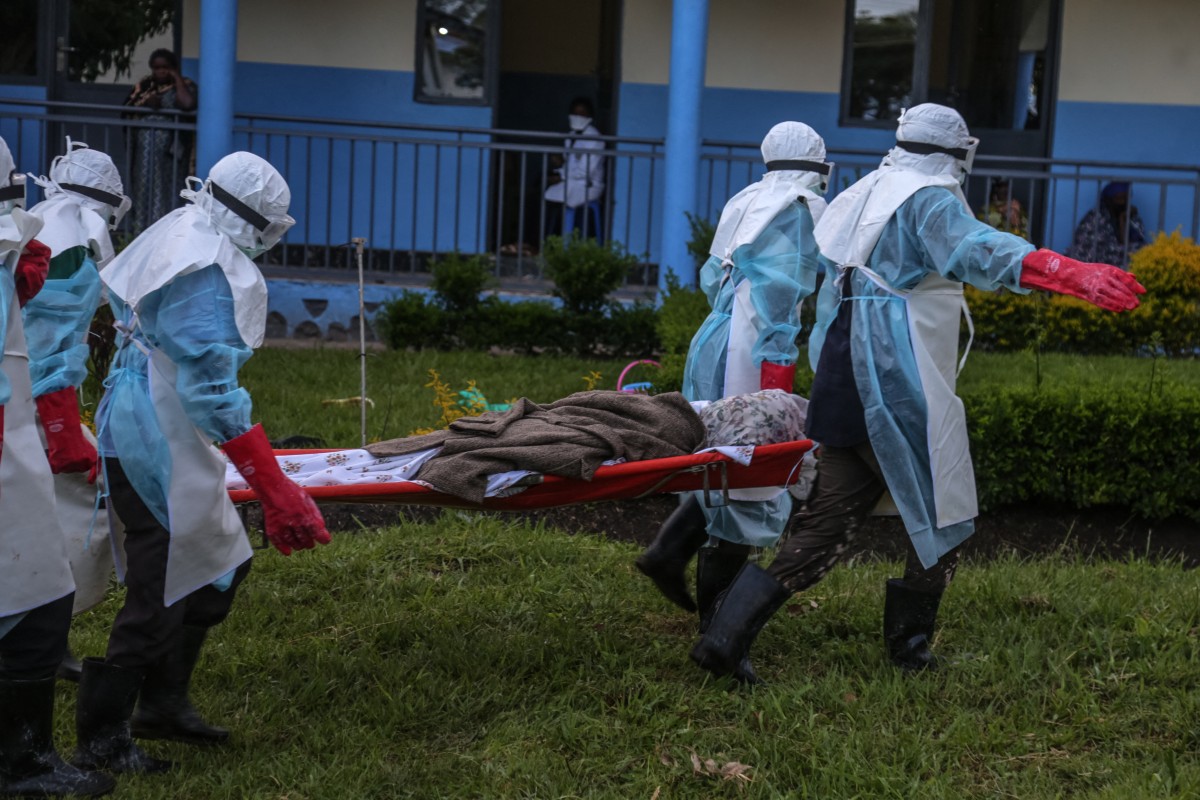
Congolese health authorities are facing resistance from communities where traditional burial rites for loved ones are common, a practice prohibited during an Ebola outbreak.
Angry youths in DR Congo set an Ebola treatment centre ablaze after they were prevented from retrieving the body of a friend who had reportedly died from the virus on Thursday.
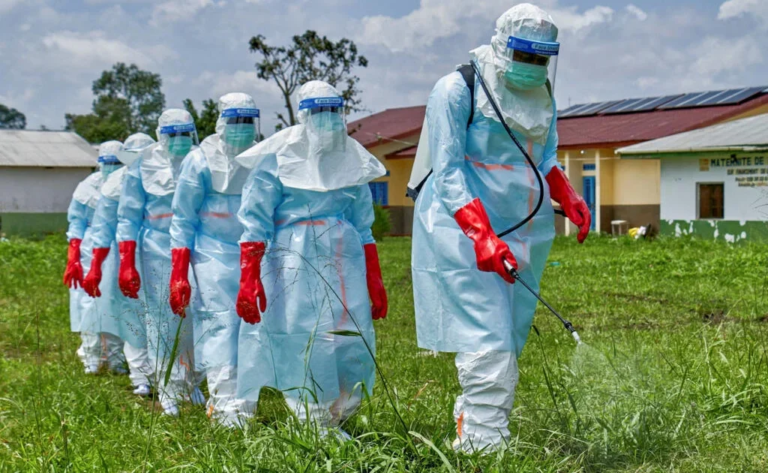
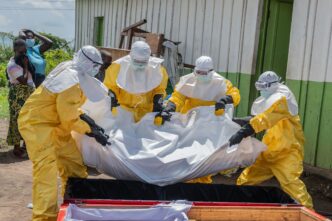
According to Kitenge, the corpses of people who die from the virus are far more dangerous than those who are infected but still alive.
“When there is a death, the internal cells, the cells that die, the virus resurfaces and it remains in the periphery. This means that everything that touches the body becomes contaminated, inevitably,” he added.
Read More : Kenya Confirms Second Ebola Death
“To protect the population, we prohibit all contact with the corpse. Only trained personnel are allowed to touch it. So, not just anyone. The family has the right to see, but not the right to touch.”
The World Health Organisation has said the outbreak poses a high risk in DR Congo and has declared the virus a global health emergency.
There are now almost 750 suspected cases and 177 suspected deaths.