Trending
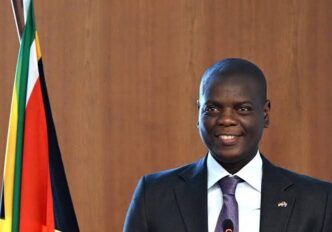
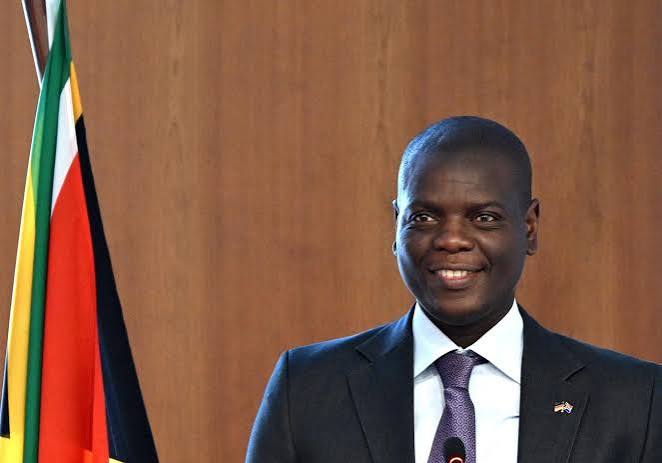
South Africa’s Minister of International Relations and Cooperation, Ronald Lamola, will meet Nigeria’s president, Bola Tinubu, this week for talks on migration following deepening tensions over anti-immigrant violence that has strained relations between Africa’s two largest economies.
Lamola, serving as a special envoy for President Cyril Ramaphosa, is expected to engage with Tinubu on the current challenges of migration facing South Africa.
The visit follows weeks of anti-foreigner protests in South Africa, which have triggered a diplomatic crisis across the continent.
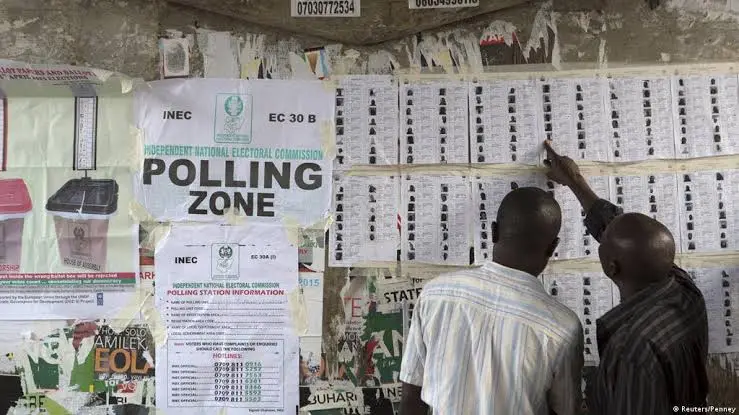
Read More : Steps to Check Your Name on INEC Voters Register
Nigeria has repatriated nearly 1,500 citizens from South Africa since June, with Ghana, Malawi, Uganda and Zimbabwe also evacuating nationals.
More than 72,900 foreign nationals have been repatriated from South Africa, according to an Inter-Ministerial Committee report.
The violence, which saw shops owned by immigrants looted and burned, has forced thousands of African migrants to abandon businesses and homes.
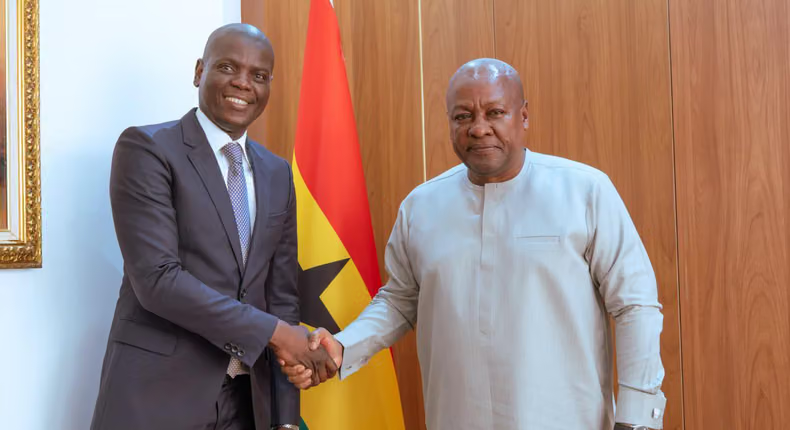
Lamola’s engagement with Tinubu follows a similar diplomatic mission to Ghana, where he met President John Dramani Mahama two days ago.
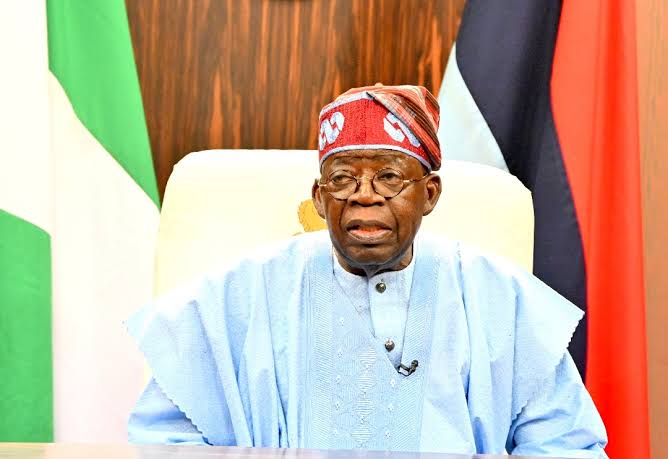
Ghana had previously postponed planned bilateral engagements with South Africa, including a scheduled visit by Ramaphosa, citing concerns that the attacks would overshadow the meetings.
Lamola reiterated South Africa’s rejection of xenophobia after the Accra talks, saying the country “categorically rejects xenophobia, racism, homophobia and violence in all forms” and remains committed to upholding the rule of law.
However, Mahama expressed concern that South African authorities were not responding with sufficient urgency.
“President Ramaphosa sent a delegation to me yesterday. We met with them, and I explained why it was important for us to discuss the matter,” Mahama said.
“Sometimes these things happen and we want to sweep them under the carpet. But when we do that, we do not cure the problem.”
He claimed that although Ghana had no animosity towards South Africa, it was necessary to bring up the matter at the continental level so that South Africa could explain the steps it was taking to deal with the attacks.
“The discussion must deal with the root causes of migration — economic challenges, unemployment, governance, peace and security, and climate change. Those are the factors that lead people to leave their countries.
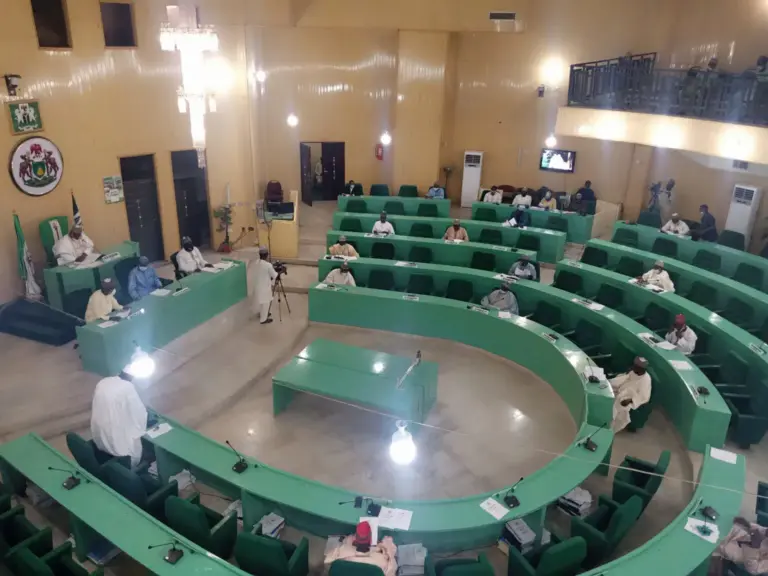
Read More : Kano Assembly Confirms Six Commissioner Nominees
“Framing the debate in that context will lead to constructive engagement rather than targeting one country,” he said.
President Mahama has formally requested the African Union to place xenophobic attacks in South Africa on the agenda of the next AU summit.
“Placing this on the AU agenda gives South Africa a formal, constructive platform to share its perspective, and together, as a continent, work toward a lasting solution,” he said.