Trending
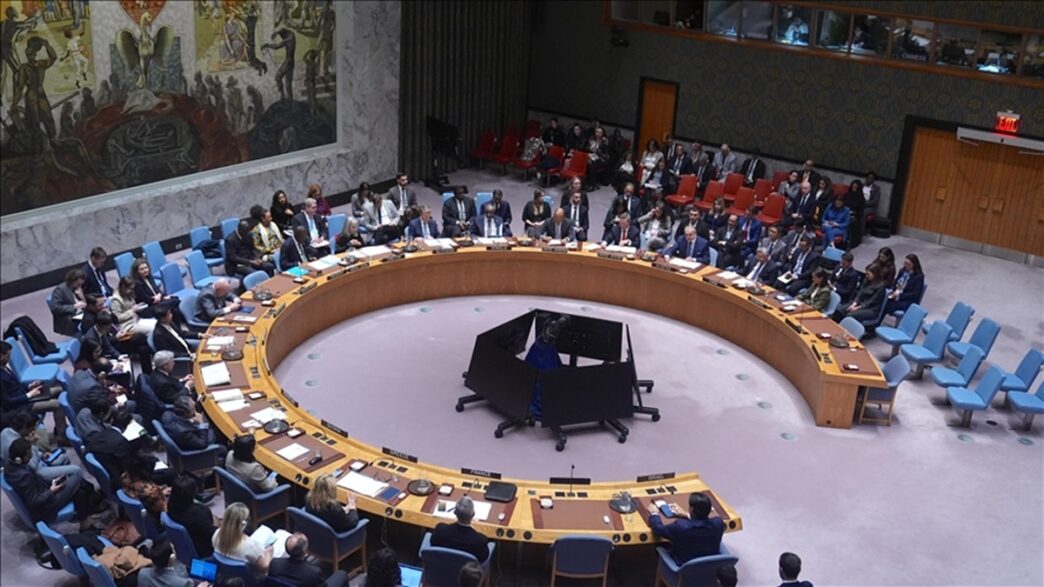
The International Atomic Energy Agency’s (IAEA) Board of Governors has voted to refer Iran to the United Nations Security Council over what it described as Tehran’s continued failure to comply with its nuclear obligations.
The resolution, adopted on Wednesday, will increase diplomatic pressure on Iran over its nuclear programme and limited access for international inspectors.
According to diplomats who spoke to AFP, the resolution was approved by 23 votes to three, with eight abstentions. Russia, China and Niger voted against the measure.
Read More : Syria Shuts Jordan Border Crossing
The resolution, submitted by Britain, France, Germany and the United States, asks the IAEA director general to report Iran’s non-compliance to the UN Security Council and General Assembly.
It marks the first time in two decades that the Security Council has referred Iran for failing to meet its nuclear reporting obligations.
The move comes as the IAEA continues to face difficulties accessing key Iranian nuclear facilities.
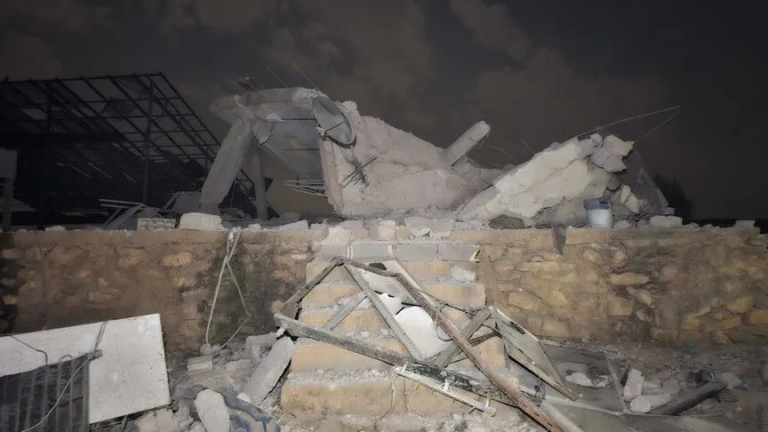
The agency has been unable to inspect some sites since Israel, later joined by the United States, launched a 12-day conflict in June 2025 that included strikes on Iranian nuclear facilities.
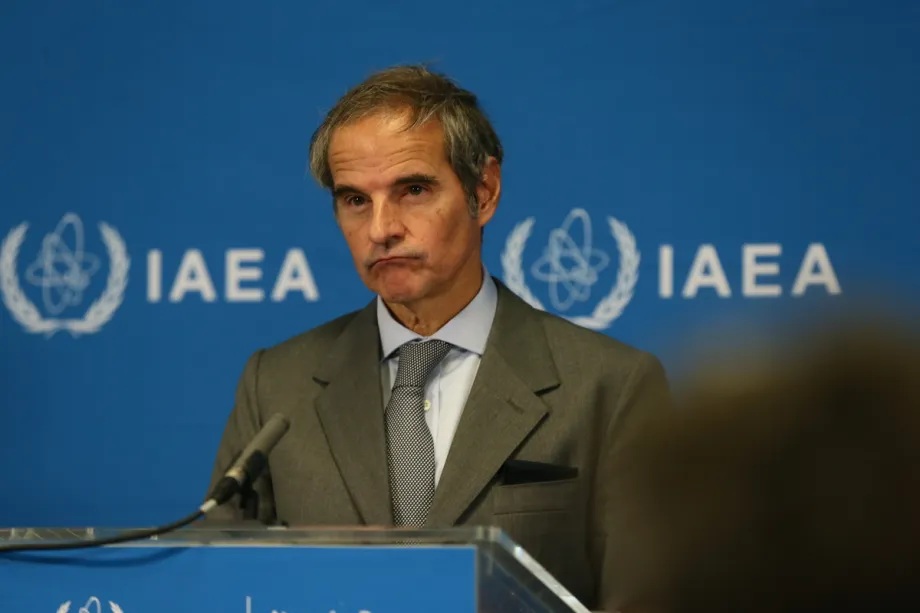
Nuclear sites were also damaged during the latest conflict, which began on February 28, while IAEA Director General Rafael Grossi has repeatedly called for access to the affected facilities.
It also urges Iran “to engage seriously and without preconditions in talks aimed at building international confidence in the exclusively peaceful nature of Iran’s nuclear programme.”
The IAEA has repeatedly warned that its inability to obtain sufficient information or access to Iranian facilities represents a “proliferation concern.”
Grossi said on Monday that allowing the agency back into key facilities would have “positive repercussions” for Iran.
Iran, however, rejected the resolution.
Reza Najafi, Iran’s representative to the IAEA, told Iranian state television that the resolution “will not bring any results,” describing it as politically motivated.
“This resolution was passed under political pressure from the US and its allies and in our view has no basis,” Najafi said.
He separately told AFP that the measure was “completely counterproductive.”
The referral is largely viewed as a diplomatic pressure tactic, as Russia and China, both permanent members of the Security Council, have veto powers that could block any attempt to impose new sanctions on Tehran.
Before the June 2025 strikes, the IAEA estimated that Iran had around 440 kilogrammes of uranium enriched to 60 percent.
That level is significantly higher than the 3.67 percent ceiling established under the 2015 nuclear agreement, known as the Joint Comprehensive Plan of Action, which has since effectively collapsed.
Uranium enriched to around 90 percent is generally considered weapons-grade.
The status of Iran’s 60-percent enriched uranium stockpile has remained uncertain since the 2025 strikes.
Israel and the United States have long accused Iran of pursuing the capability to develop nuclear weapons, allegations Tehran has repeatedly rejected.
Iran maintains that its nuclear programme is intended for peaceful civilian purposes and insists it has a right to develop nuclear technology.
Read More : Trump Hits Back at Obama Over Cheesecake Jab
Ali Vaez of the International Crisis Group told AFP that some countries could view the resolution as a way to increase pressure on Tehran.
“Some see it as an opportunity to add legal pressure to economic strangulation and naval blockade to turn the screws on Iran,” Vaez said.
“Ultimately, though, it is an exercise in futility,” he added, arguing that Russia and China were “likely to ensure that Western pressure hits a wall at the Security Council.”