Trending

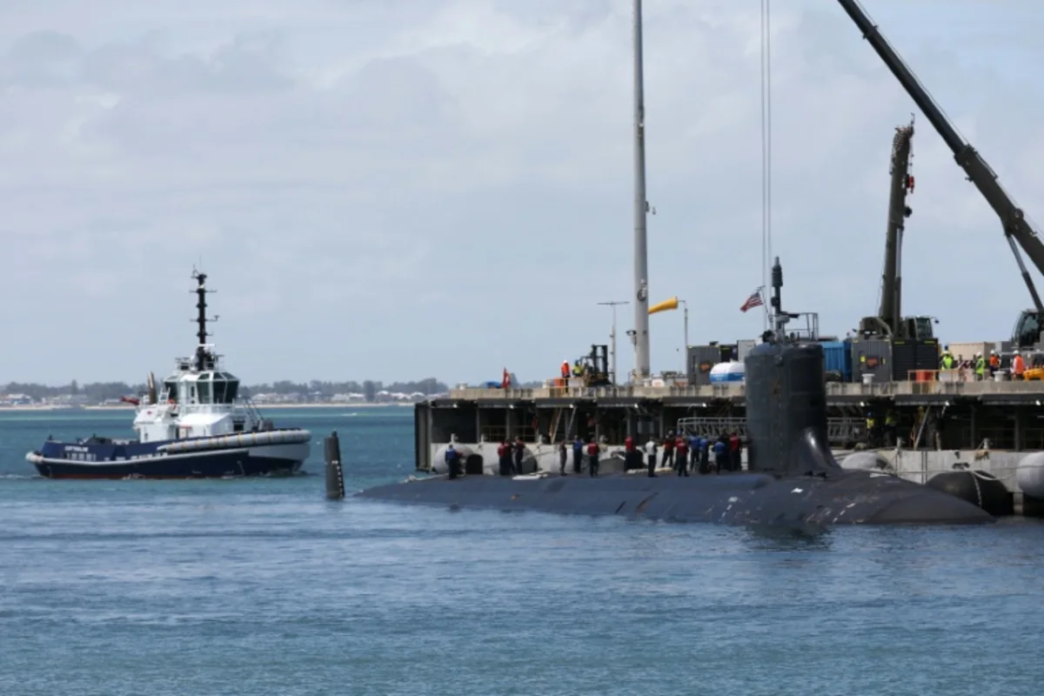
The United States (US) Pentagon has assigned a nuclear-powered attack submarine to join a rotating force based in western Australia, marking a new step in the AUKUS defence partnership.
The 377-foot (115-metre) USS Colorado is a Virginia-class submarine armed with land-attack missiles and advanced torpedoes. Officials said on Tuesday it is expected to sail to the Australian base in late 2027.
The deployment is part of plans by the United States, Australia and the United Kingdom to strengthen their military cooperation in the Pacific. In a joint statement, the three allies described the move as a “significant milestone” in building a shared deterrence force under the AUKUS defence pact.
Read More : Syria Shuts Jordan Border Crossing
Widely seen as a response to China’s military buildup in the region, the agreement aims to equip Australia with a fleet of nuclear-powered submarines. It also seeks to expand defence cooperation among the three countries.
The rotating force, known as Submarine Rotational Force-West, will be based at HMAS Stirling, a naval base in Western Australia. The base is expected to host up to five fast-attack submarines on a rotating basis. Four will come from the United States and one from the United Kingdom.
The arrangement will also help Australia prepare to operate and maintain its own nuclear-powered submarines. At the same time, the base will support allied submarine deployments and maintenance.
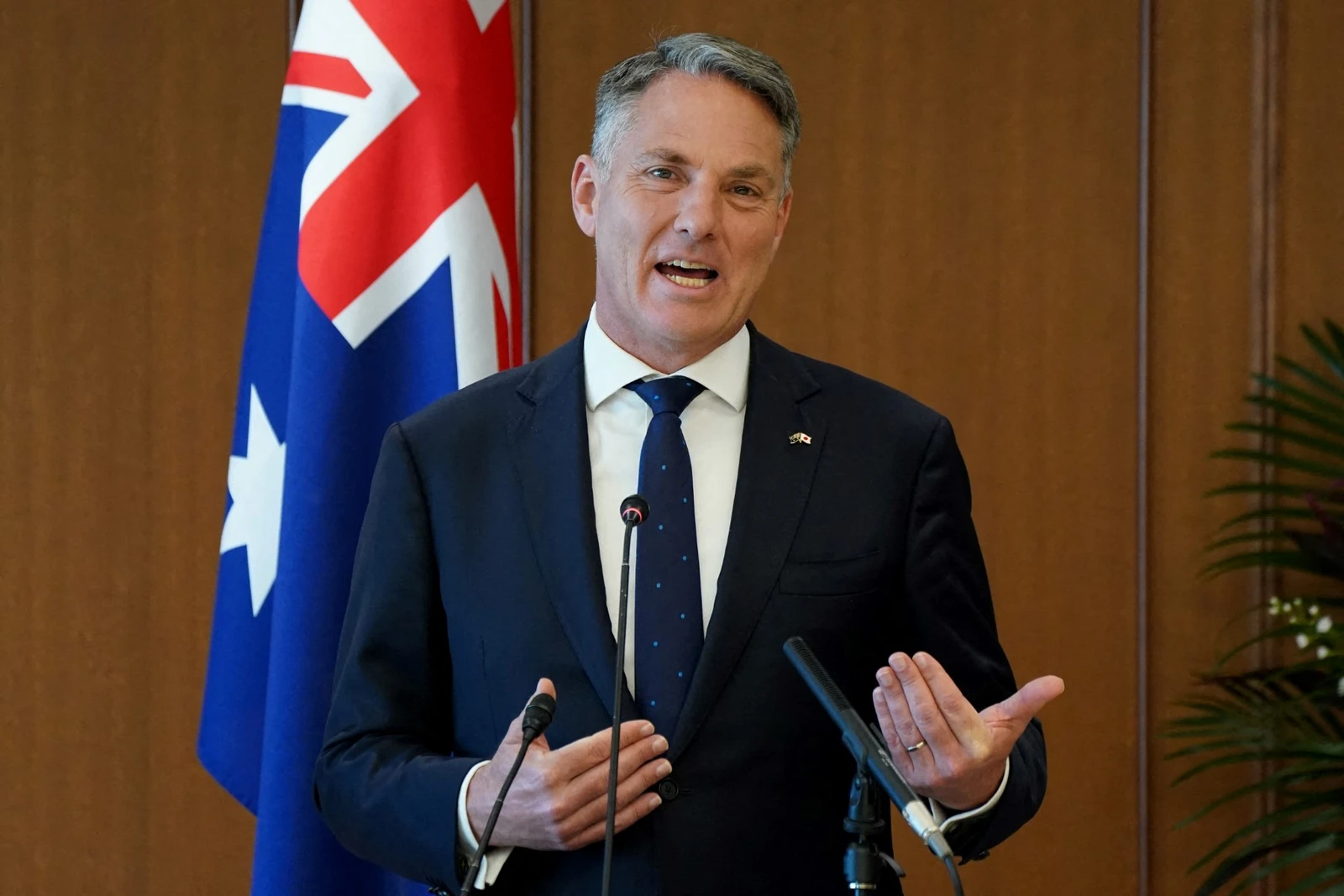
Australian Defence Minister Richard Marles described the rotating force as the first “really big milestone” under AUKUS.
Read More : Trump Hits Back at Obama Over Cheesecake Jab
“It’s on track,” Marles told news channel News24. “There are American personnel at HMAS Stirling right now readying the site for this.”
Australia does not allow foreign military bases on its soil. However, it hosts US Marines for exercises in the northern city of Darwin for six months each year.
The AUKUS submarine programme is central to Australia’s defence strategy. Government forecasts estimate that the programme could cost up to US$235 billion over 30 years.