Trending
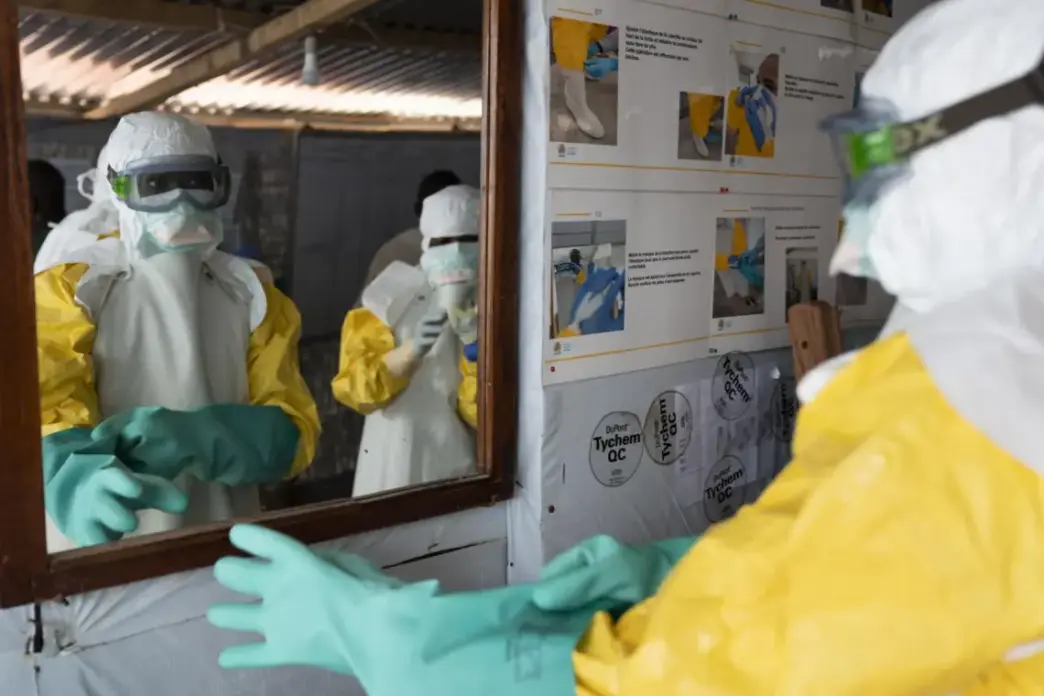
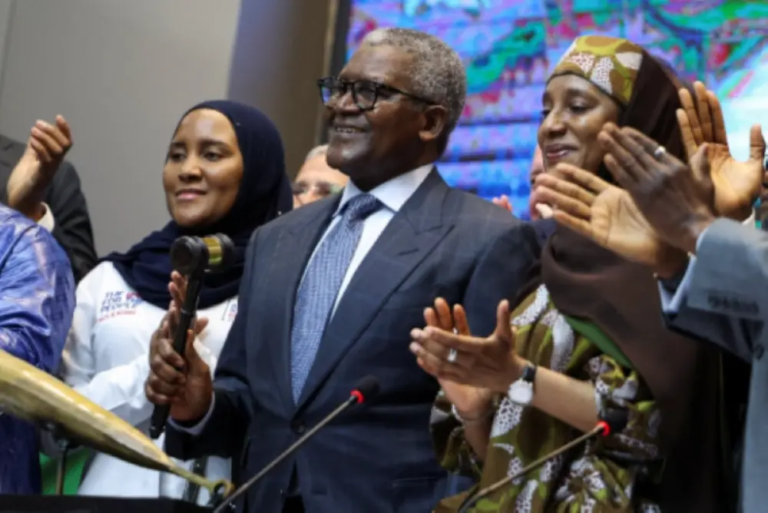
African leaders and health institutions have pledged $910 million to accelerate the response to the Ebola Bundibugyo outbreak in the Democratic Republic of the Congo (DRC) and Uganda, following a high-level emergency meeting convened by Burundi’s President and African Union Chairperson, Évariste Ndayishimiye.
The meeting brought together African heads of state and government, the African Union Commission, Africa Centres for Disease Control and Prevention (Africa CDC), the World Health Organisation (WHO), regional economic communities, development partners, and donors.
According to Africa CDC, the pledges include $80 million from African member states, which it described as a strong demonstration of continental solidarity and ownership of Africa’s health security response.
Read More : UN Experts Condemn US Deportation Policy
African leaders also endorsed urgent mobilisation of the $518 million required for the Joint Continental Preparedness and Response Plan within four weeks.
The plan covers outbreak response and preparedness activities, including surveillance, contact tracing, laboratory services, case management, infection prevention and control, logistics, risk communication, community engagement, and cross-border coordination.
According to African Union Commission Chairperson Mahmoud Ali Youssouf, Ebola is a shared continental challenge requiring coordinated action and stronger cross-border preparedness systems.
He extended condolences to affected families and praised frontline health workers while reaffirming the AU’s commitment to supporting member states.
Africa CDC Director-General, Dr Jean Kaseya, said the commitments from African countries signalled growing responsibility for the continent’s health security, while stressing the need for rapid disbursement.
He warned that delays in funding and implementation could significantly worsen the outbreak, increasing projected needs from $518 million to as high as $1.5 billion if transmission is not contained quickly.
The World Health Organisation (WHO) reaffirmed its support for affected countries, including technical assistance in surveillance, contact tracing, laboratory systems, infection prevention and community engagement.
WHO Director-General Dr Tedros Adhanom Ghebreyesus said cross-border cooperation would be critical to stopping the outbreak.
“With sustained regional and international support, we can defeat this Ebola outbreak, as we have with previous outbreaks,” he said, while urging continued investment in broader health services such as malaria, measles, nutrition, and maternal care.
The emergency meeting identified contact tracing as a key containment priority, targeting at least 90-95 per cent monitoring of contacts during the 21-day incubation period. It also highlighted gaps in supply chains, health worker protection, safe burials, and access to insecure or hard-to-reach areas.
Read More : Volz Leads US Energy Push at AEW 2026
Africa CDC also welcomed more than $60 million from the Coalition for Epidemic Preparedness Innovations (CEPI) to support vaccine development for the Ebola Bundibugyo strain, and called for greater African involvement in research, manufacturing, and regulatory processes.
It added that it will publish weekly tracking reports on funding, supplies, personnel deployment, and operational gaps as part of efforts to improve transparency and accountability in the response.
The Ebola outbreak in DR Congo was first recorded in May 2026. Health authorities have reported over 800 confirmed cases and almost 200 deaths.