Trending

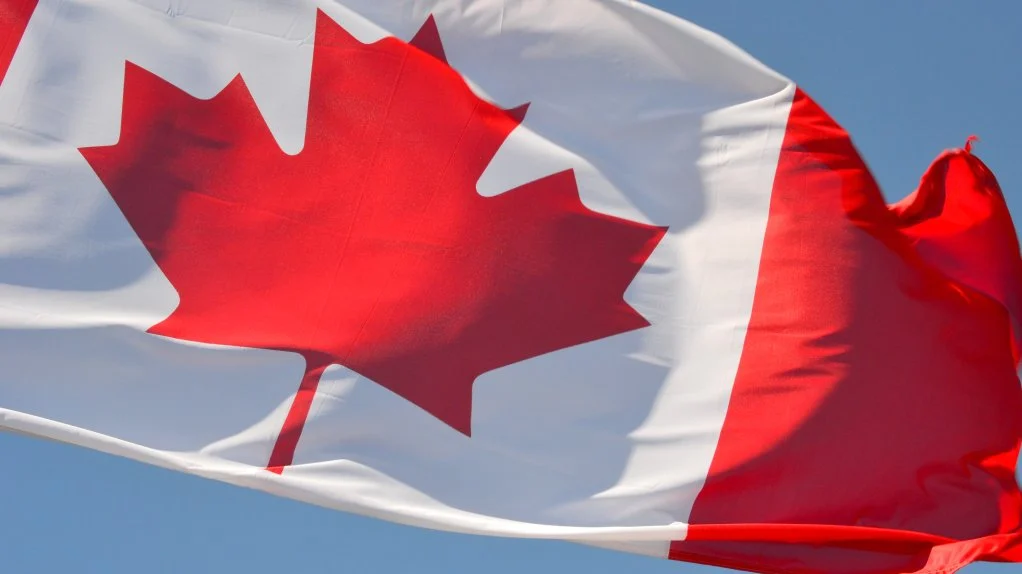
Canada granted refugee protection to 7,643 Nigerians between January 2024 and June 2026, according to data from the Immigration and Refugee Board of Canada.
Figures from the board’s Refugee Protection Division showed that Nigeria was Africa’s largest source of successful asylum claimants during the 30-month period and ranked among the leading nationalities worldwide.
A total of 2,230 Nigerian claims were granted in 2024. The figure rose by 55 per cent to 3,463 in 2025 before reaching 1,950 in the first six months of 2026.
Read More : Trump Lifts Some Canada Tariffs Before Midterms
However, Canadian authorities rejected 3,080 Nigerian asylum claims during the period, meaning nearly three in every 10 Nigerians whose cases were decided were denied refugee protection.
A further 1,530 cases were either abandoned or withdrawn, bringing the total number of Nigerian cases finalised during the period to 12,253.
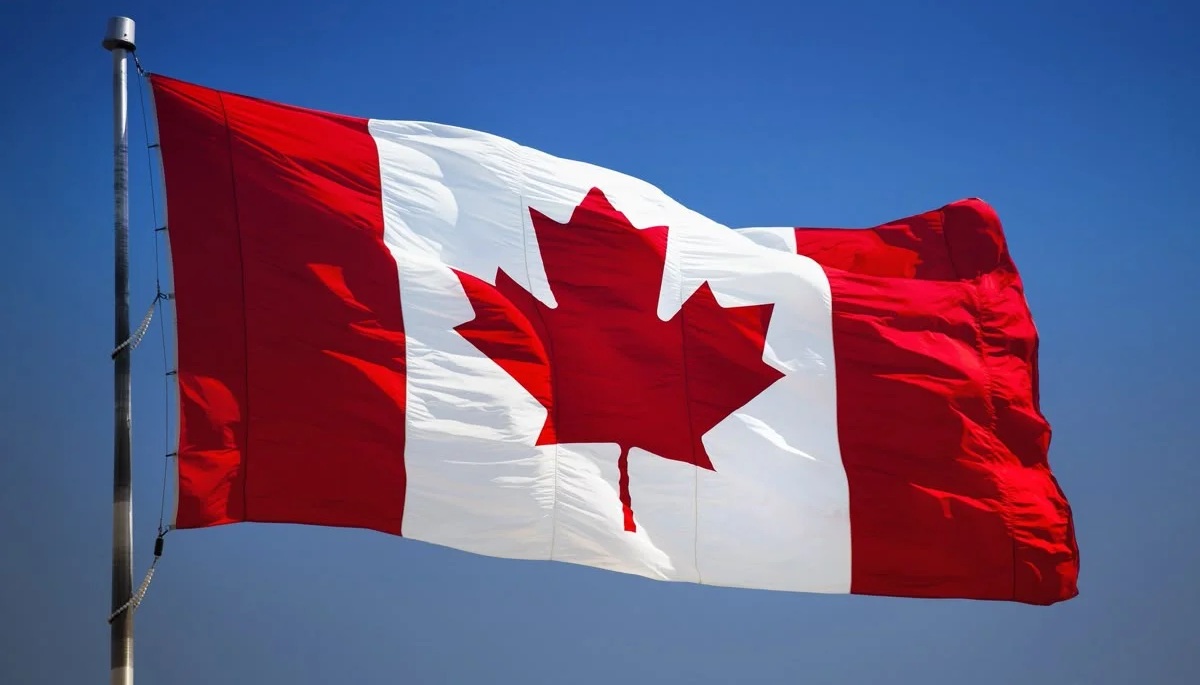
Nigeria leads African countries in asylum grants
The data showed that Nigeria recorded the highest number of refugee protection grants among African countries in each of the three reporting periods.
In 2025, Canada granted asylum to 3,463 Nigerians, followed by Uganda with 2,089 grants, Kenya with 1,532, Ethiopia with 1,522 and Ghana with 1,084.
Other African countries among the leading nationalities were Cameroon, with 742 grants; the Democratic Republic of the Congo, with 732; and Rwanda, with 710.
In the first half of 2026, Nigeria again led with 1,950 grants. Ghana recorded 603, Uganda 521, the Democratic Republic of the Congo 412, Ethiopia 378, Rwanda 389, Kenya 703 and Cameroon 300.
Cumulatively, Nigeria’s 7,643 grants were followed by Uganda with 3,943, Kenya with 3,888, Ethiopia with 2,982, Ghana with 2,000, the Democratic Republic of the Congo with 1,867, Rwanda with 1,699 and Cameroon with 1,643.
Thousands of Nigerian claims rejected
Despite the high number of successful applications, the figures showed that Canadian authorities refused 3,080 Nigerian asylum claims between January 2024 and June 2026.
The Democratic Republic of the Congo recorded the second-highest number of rejections among the listed African countries, with 1,230, followed by Ghana with 885, Kenya with 639, Senegal with 595, Angola with 442, and Chad and Cameroon with 343 each.
In 2024, the Immigration and Refugee Board finalised 3,249 Nigerian cases. Of these, 2,230 were accepted and 811 rejected, while the remaining cases were abandoned or withdrawn.
As of December 31, 2024, the board had 19,889 Nigerian cases awaiting decisions, a backlog almost six times the number of cases finalised that year.
The number of Nigerian cases finalised increased to 5,039 in 2025. Of these, 3,463, representing 68.7 per cent, resulted in refugee protection grants, while 1,377 were rejected.
In the first half of 2026, 1,950 Nigerian claims were granted, and 892 were rejected out of 3,965 finalised cases.
Nigeria’s share of global refugee grants
Globally, Canada finalised 79,462 refugee claims in 2025, granting protection in 50,067 cases and rejecting 14,619.
Nigeria’s 3,463 grants accounted for 6.9 per cent of all successful refugee claims worldwide that year.
Between January and June 2026, the board accepted 22,109 of the 49,960 claims finalised globally. Nigeria’s 1,950 successful claims represented 8.8 per cent of all refugee protection grants during the six-month period.
Across the entire 30-month period, Canada finalised 202,878 refugee claims from all nationalities, granting protection in 118,656 cases and rejecting 34,546.
Nigeria’s 7,643 grants accounted for 6.4 per cent of the global total.
African countries collectively received an estimated 35,000 grants, representing approximately 29.5 per cent of all successful claims. Nigeria accounted for about one in every five refugee protection grants made to African claimants during the period.
The data also showed that Canada received 107,802 new referrals to its Refugee Protection Division in 2025. As of December 31, 2025, 299,614 claims were awaiting decisions.
How Canada’s asylum system works
Canada’s refugee determination system is administered by the Immigration and Refugee Board, an independent federal administrative tribunal established under the country’s Immigration and Refugee Protection Act.
The board’s Refugee Protection Division hears and decides asylum claims made in Canada or at a port of entry.
The board assesses claims to determine whether applicants qualify as Convention refugees under the 1951 United Nations Refugee Convention. This includes people who face persecution because of their race, religion, nationality, political opinion or membership of a particular social group.
Applicants may also qualify as persons in need of protection if returning to their country would expose them to risks such as torture, death or cruel and unusual treatment or punishment.
Claimants whose applications are rejected by the Refugee Protection Division may appeal to the Refugee Appeal Division where eligible. Those who fail at that stage may seek judicial review at the Federal Court and may also apply for a pre-removal risk assessment, subject to the applicable requirements.
Read More : Melania Trump Announces Oleshky Ceasefire
People seeking refugee protection must provide evidence to support their claims that returning to their country of nationality would expose them to persecution or other serious risks covered by Canadian law.
Applications may be initiated when people inform the Canada Border Services Agency at a port of entry that they are seeking protection or make a claim to an immigration officer after arriving in the country.
“If the claim is eligible, it is sent to the RPD to start the claim for refugee protection process,” an application guideline by the Refugee Board states.