Trending
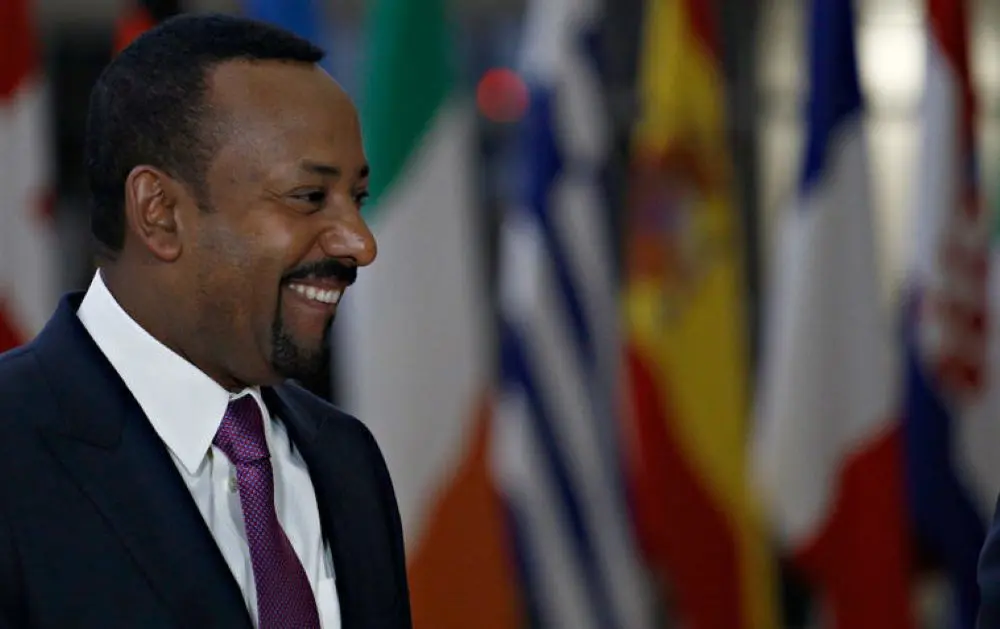
A week-long national dialogue in Ethiopia has backed constitutional changes that would replace the country’s current parliamentary structure with an executive presidential system, a move critics say could further consolidate power around Prime Minister Abiy Ahmed.
The talks ended on August 22 after more than a month of deliberations involving about 4,000 delegates. Participants overwhelmingly supported merging the offices of prime minister and the largely ceremonial president into a single executive presidency.
The proposal could be presented to parliament when lawmakers reconvene in October. Abiy’s party secured another landslide victory in June, giving it considerable influence over any constitutional changes requiring parliamentary approval.
Read More : Thousands Protest Journalist Arrests in Turkey
Under the proposed system, parliament would select the new president. Supporters argue that an executive president could provide more nationally representative leadership in a country divided along ethnic and regional lines.
Tiglu Melese, secretary-general of parliament’s upper house, said the proposed system could create “a more unified country” able to confront Ethiopia’s current challenges.
The dialogue also recommended reducing funding for political parties organised primarily along ethnic lines while favouring parties with a broader national structure.
Critics, however, say the changes could concentrate executive authority in one individual. Political analyst Befekadu Hailu said the proposal could allow Abiy to move from prime minister to executive president while “effectively concentrating power in a single individual”.
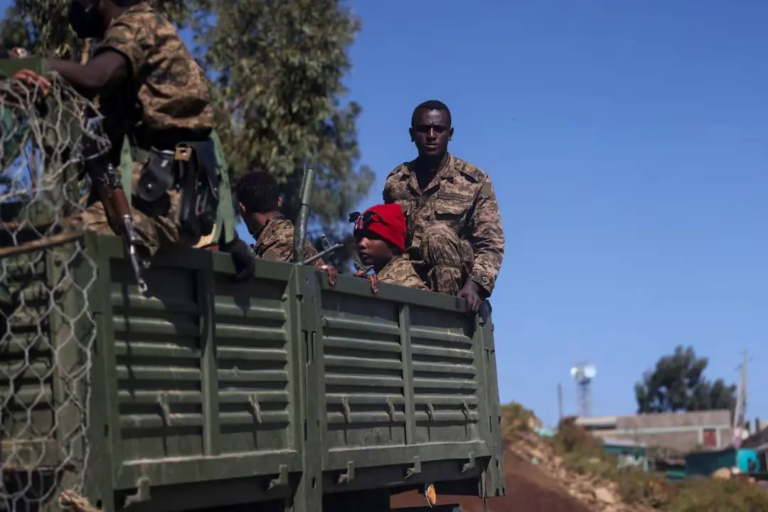
The debate comes as Ethiopia continues to confront armed conflicts and deep political divisions. Fighting persists in Oromia and Amhara, the country’s two most populous regions, while instability in Tigray has fuelled fears of renewed conflict following the devastating 2020-2022 civil war.
Opposition figures have also questioned the legitimacy and reach of the national dialogue because several key opposition parties boycotted the process and armed groups were excluded.
Merera Gudina, chairman of the Caucus of Opposition Parties, said the talks could not guarantee Ethiopia’s two major needs: “durable peace and stability, and democratic governance”.
Peace-building expert Naga Tesfaye, who facilitated the dialogue, said its recommendations should be accompanied by negotiations involving the government, armed groups and opposition parties to “silence the guns”.
The talks also exposed persistent disagreements over Ethiopia’s political structure. Delegates staged several walkouts during discussions over the status of Addis Ababa, the self-governing capital surrounded by Oromia, which maintains claims over the city.
Despite the disputes, some participants described the dialogue as an important opportunity to hear competing political and regional perspectives.
Read More : Several Dead in Ethiopian Border Clashes
Alamrew Yirdaw, a participant from the Amhara region, said bringing together groups with competing interpretations of the Ethiopian state was itself a significant achievement.
Hirut Gebreselassie, deputy chief of the dialogue commission, said she hoped the process would gradually resolve longstanding disputes, reduce mistrust and contribute to peace.
The next major test will come in parliament, where lawmakers could determine whether Ethiopia proceeds with one of its most consequential changes to the structure of executive power in decades.