Trending
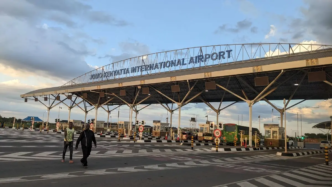
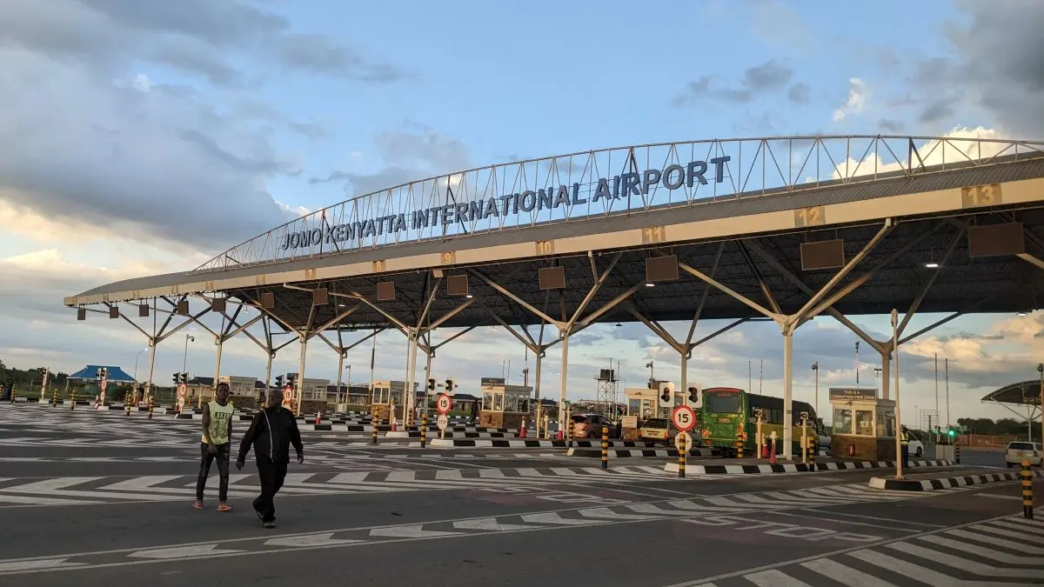
Kenyan aviation workers have called off a two-day strike that disrupted operations at the country’s main international airport, leaving thousands of passengers stranded and causing widespread flight delays.
The Kenya Civil Aviation Authority (KCAA) confirmed on Tuesday that the government, aviation unions, and other stakeholders had agreed to resume negotiations on a new collective bargaining agreement.
The strike, which affected Jomo Kenyatta International Airport (JKIA) in Nairobi and other airports across the country, began on Sunday after workers staged a go-slow protest over demands for improved labour conditions, a new employment agreement and an end to the use of volunteer staff.
Read More : Kenya Records Ninth Bundibugyo Ebola Case
In a statement, the KCAA said the parties had agreed to continue discussions on the bargaining agreement while also ensuring the “non-victimisation of employees arising from the industrial action”.
Transport Minister Davis Chirchir said the government helped broker the deal, but acknowledged the disruption had come at a high cost to the economy.
The Kenya Aviation Workers Union (KAWU) confirmed that the strike action had been suspended. Its secretary general, Moss Ndiema, told reporters that the union was “effectively calling off our strike action” and would begin the process of “normalising” airport operations.
Read More : Ebola: US Raises Kenya Travel Warning
JKIA, one of East Africa’s busiest aviation hubs, plays a key role in Kenya’s tourism industry and regional trade. The disruption affected travellers, airlines and businesses relying on air transport connections.
Kenya’s national carrier, Kenya Airways, said it was working to restore normal services but warned passengers that delays could continue until Wednesday as airlines clear the backlog caused by the disruption.
The agreement provides temporary relief for travellers and airport operators, but negotiations over workers’ long-term demands are expected to continue.