Trending
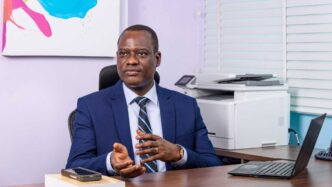
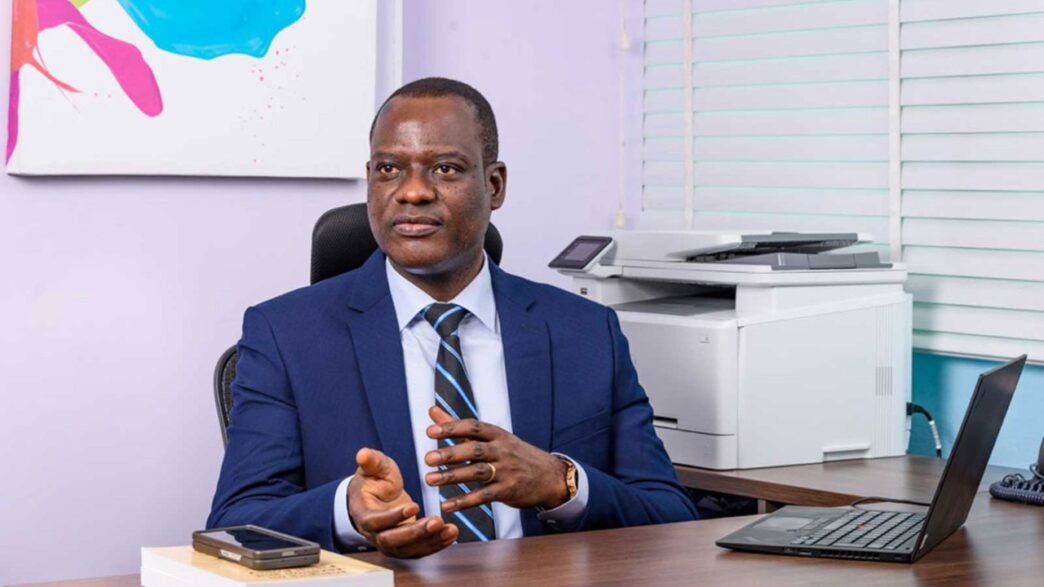
The Nigerian government has denied claims that it spent more than ₦8 trillion outside the 2025 budget, insisting that it does not operate a shadow budget.
The Minister of Finance, Taiwo Oyedele, made the clarification in a statement on Sunday following public commentary suggesting that about two per cent of Nigeria’s Gross Domestic Product (GDP), estimated at over ₦8 trillion, was spent outside the approved budget based on interpretations of the International Monetary Fund’s (IMF) 2026 Article IV Consultation Report.
“The Federal Government has noted recent public commentary alleging that approximately two percent of GDP amounting to over ₦8 trillion was spent outside the approved budget,” Oyedele said.
“These claims are incorrect and risk misleading the public regarding the government’s financial management.”
The clarification follows a Reuters report, published on July 1, 2026, based on an International Monetary Fund report, which alleged that the President Bola Tinubu administration failed to record public expenditures amounting to approximately 2 per cent of Nigeria’s Gross Domestic Product in recent official budgets.
He stressed that the government “does not operate a ‘shadow budget’ or expend public funds outside the constitutional and statutory framework established for public finance.”
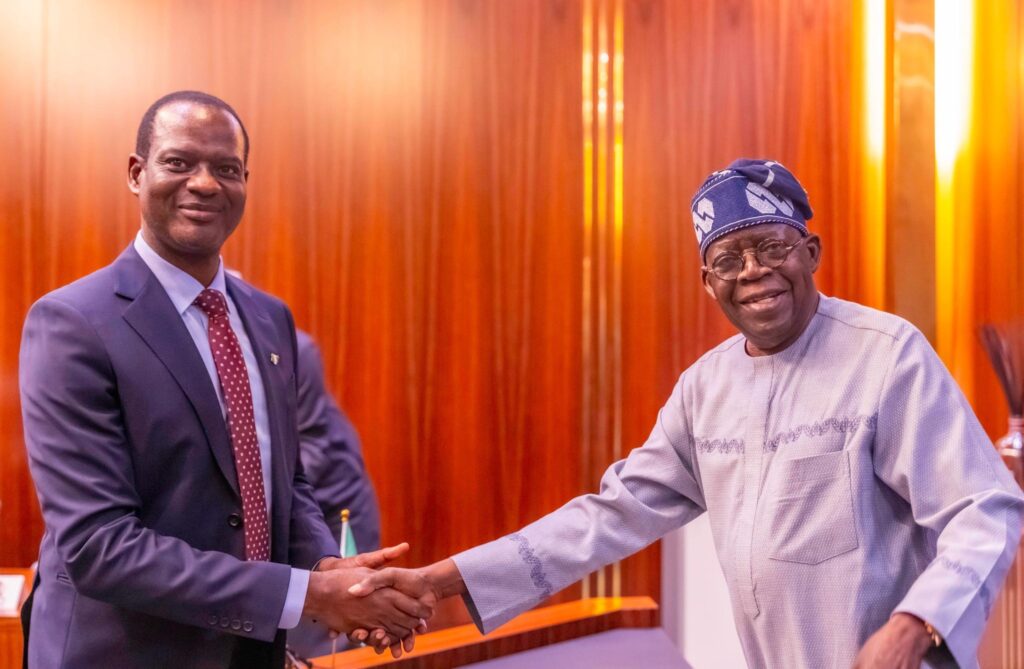
According to the minister, every expenditure is undertaken pursuant to Appropriation Acts, Supplementary Appropriation Acts and other statutory authorities approved by the National Assembly, while multi-year capital projects are implemented under existing laws governing capital rollovers.
“It is inaccurate to suggest that trillions of naira have been secretly spent outside legislative approval,” he said.
“Such allegations should have identified the specific projects purportedly executed without appropriation or legal authority and present credible evidence in support of the claim.”
Oyedele explained that statutory transfers, debt service obligations, intervention funds and other expenditures established by law may be reported differently under international fiscal reporting standards but are “neither secret nor illegal.”
He added that the IMF’s observations related “primarily to the comprehensiveness, timing and presentation of fiscal reporting rather than the legality of expenditure.”
The minister also noted that President Bola Tinubu had already urged the National Assembly to harmonise multiple and overlapping budgets into a single framework during the presentation of the 2026 Appropriation Bill.
PRESS RELEASE
FEDERAL MINISTRY OF FINANCE
5 July 2026
𝐑𝐄𝐒𝐏𝐎𝐍𝐒𝐄 𝐓𝐎 𝐑𝐄𝐂𝐄𝐍𝐓 𝐌𝐈𝐒𝐑𝐄𝐏𝐑𝐄𝐒𝐄𝐍𝐓𝐀𝐓𝐈𝐎𝐍𝐒 𝐎𝐍 𝐏𝐔𝐁𝐋𝐈𝐂 𝐄𝐗𝐏𝐄𝐍𝐃𝐈𝐓𝐔𝐑𝐄
The Federal Government has noted recent public commentary alleging that approximately two percent of GDP…
— Taiwo Oyedele (@taiwoyedele) July 5, 2026