Trending
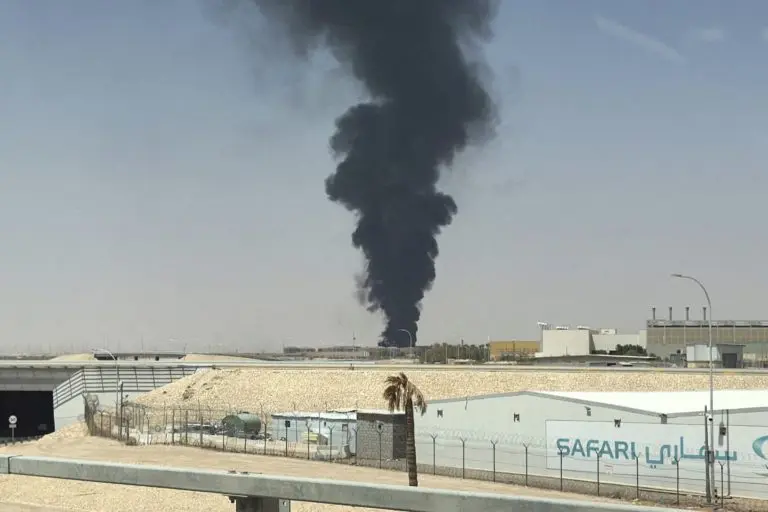
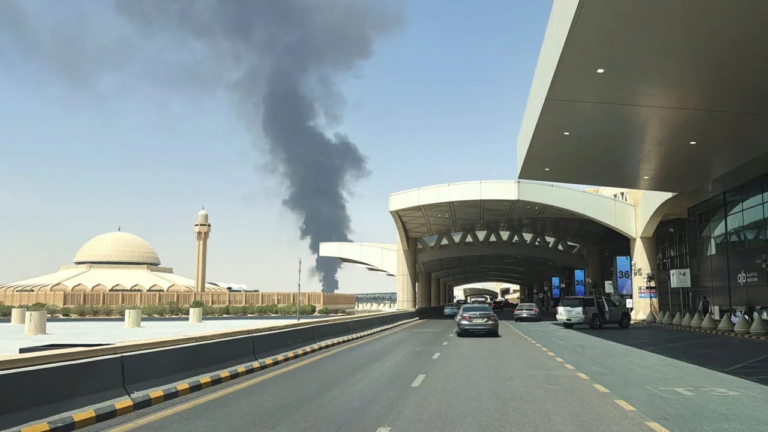
Saudi Arabia has confirmed that Yemen’s Houthi rebels tried to attack Riyadh with a ballistic missile on Saturday.
The attack is the first reported attempt to target the Saudi capital since fighting escalated between Riyadh and the Iran-backed rebels.
The Saudi-led coalition said the missile was intercepted after the morning attack.
Read More : Trump Wants Public to Vote on New AI Name
It also said the Houthis targeted civilian infrastructure in the Red Sea port city of Yanbu, Taif, Baysh and Farasan.
The coalition said it also thwarted those attacks but gave no further details.
The Houthis earlier claimed they had targeted “sensitive sites” in Riyadh and facilities belonging to Saudi oil giant Aramco in Yanbu.
They also claimed the attacks caused “massive fires”, but provided no evidence.
Aramco, the world’s largest oil company, did not immediately respond to a request for comment.
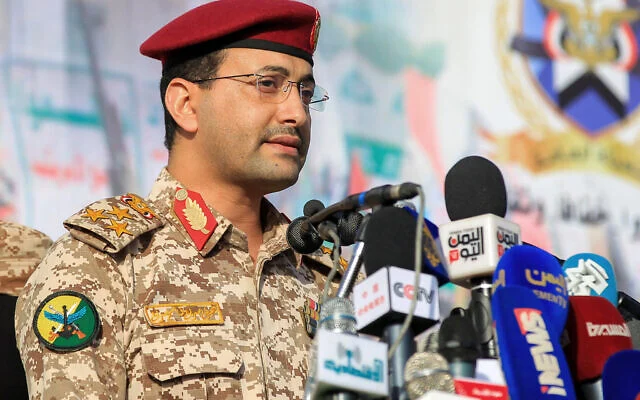
Houthi military spokesperson Brig. Gen. Yahya Saree said the rebels used cruise and ballistic missiles and drones in the attacks.
He also claimed Saudi Arabia had attempted to strike Sanaa, the Houthi-held capital of Yemen.
The Associated Press could not independently verify the claims.
The latest attacks have opened another front in the wider Iran war and raised new concerns about security around another major global shipping route.
The escalation comes after Saudi Arabia reported its first civilian death linked to the fighting on Thursday.
Saudi civil defence officials said debris from an intercepted Houthi drone killed a Yemeni resident in Saudi Arabia.
A day earlier, Saudi Arabia said the Houthis had attempted to target Mecca with a drone.
Saudi authorities said the drone was intercepted, while the Houthis strongly denied the accusation.
Read More : Flames, Smoke Reported Near Riyadh Airport
Regional officials have also told The Associated Press that Saudi Arabia is running low on missile interceptors.
They said Riyadh has asked France, Britain, Pakistan and Egypt for additional air-defence support.
The developments have raised concerns about the conflict’s wider impact on regional security and global markets.