Trending
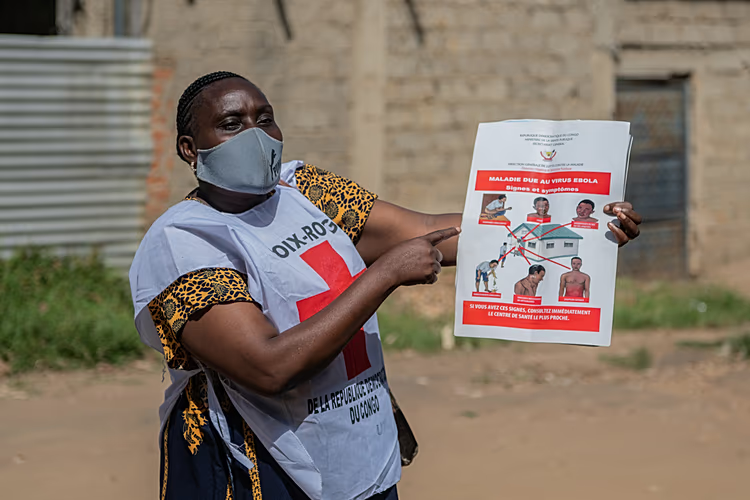
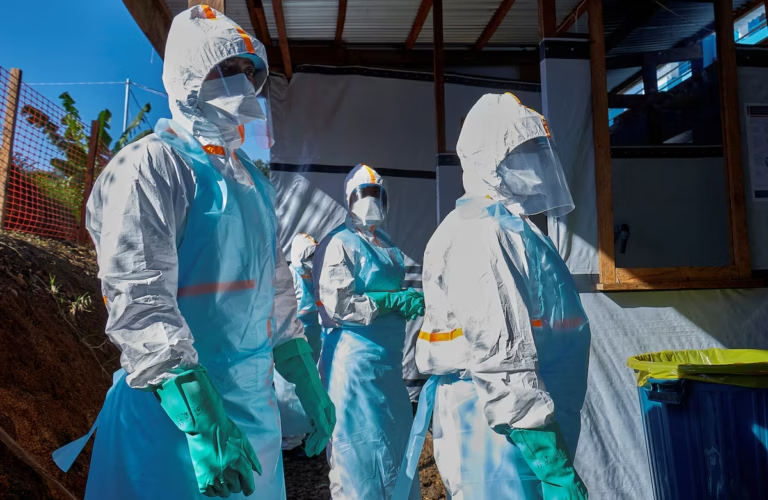
WHO spokesperson Tarik Jasarevic said on Tuesday that the outbreak, which is the largest in the country’s history, has exceeded the current capacity of health teams working to contain it.
“The outbreak is unfortunately still expanding beyond the capacity of the response,” Jasarevic told reporters in Geneva.
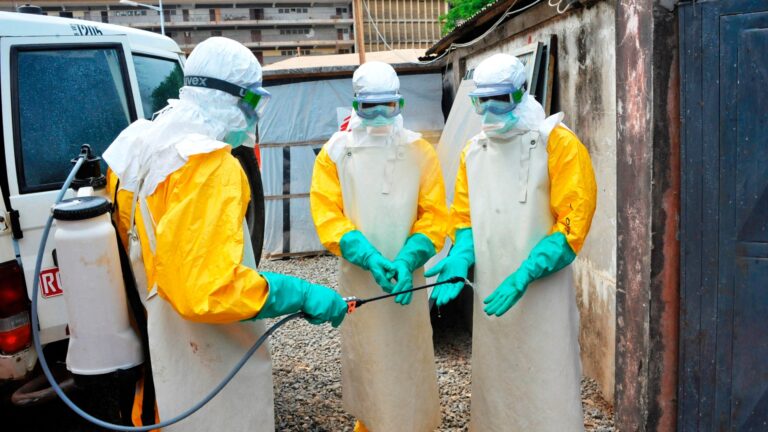
He called for more funding and resources to strengthen treatment centres, field investigation teams, safe burial teams and community health workers.
Read More : Ivory Coast Targets Illegal Gold Mining
The WHO said the outbreak has recorded 3,748 confirmed Ebola cases, including 1,657 deaths, while 708 patients have recovered. Another 227 suspected cases are currently under investigation.
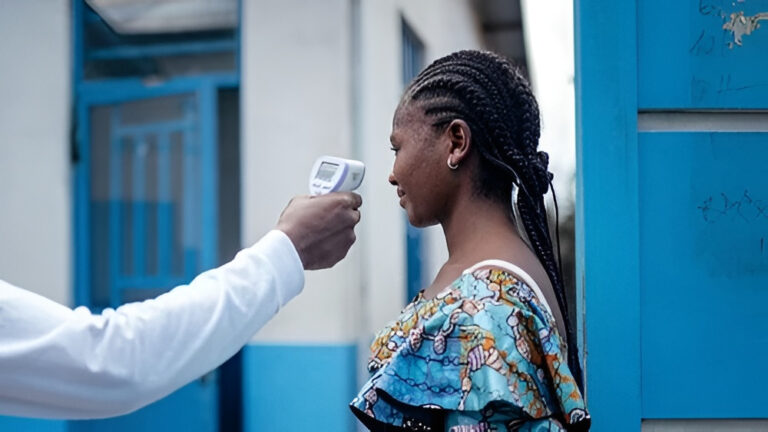
More than 17,000 contacts of infected people are being monitored, with over 80 per cent receiving daily health checks.
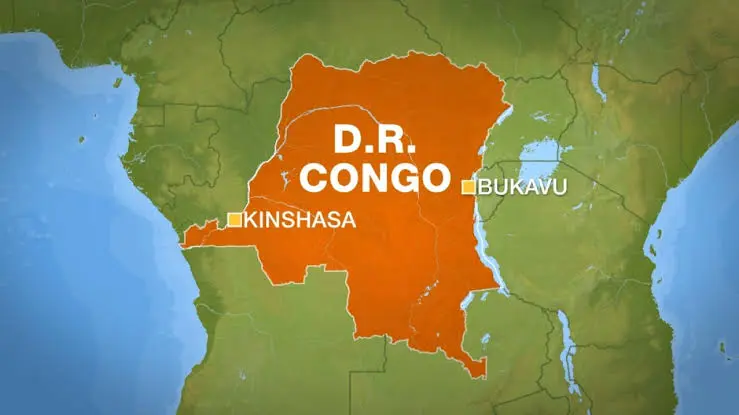
Although Ebola cases have been reported in five provinces, nearly 90 per cent of infections are concentrated in the northeastern Ituri province, with most remaining cases recorded in neighbouring North Kivu.
Jasarevic said response efforts must focus on areas where the virus is currently spreading and locations at risk of future transmission.
Read More : DRC: Tshisekedi Third-Term Bid Leads to Protests
The outbreak is being driven by the Bundibugyo strain of Ebola, a type of the virus for which there are currently no approved vaccines or proven treatments to prevent or treat infections. However, health authorities said trials for possible vaccines, treatments and post-exposure antiviral drugs are ongoing.
The DRC’s 17th Ebola outbreak was declared on May 15, 2026, after several deaths were reported in Ituri province.
The WHO has described the outbreak as the country’s biggest ever, with transmission continuing despite ongoing containment efforts.