Trending
Communities affected by Ebola in the Democratic Republic of Congo (DR Congo) initially thought people were dying of witchcraft before authorities officially declared an Ebola outbreak.
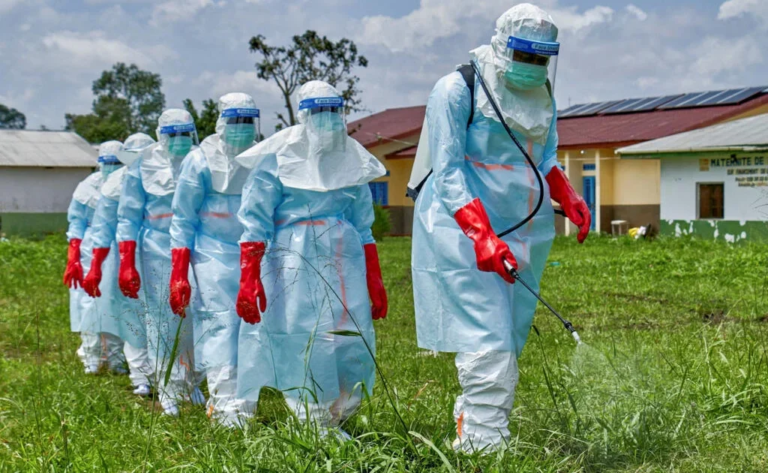
More than 130 people have died in the outbreak in DR Congo, while suspected cases have risen to over 700. The World Health Organisation declared the outbreak a global health emergency on Sunday, and the Africa Centres for Disease Control and Prevention (Africa CDC) later declared it a continental health emergency.
Congolese authorities said the first suspected cases appeared in mid-April in the mining locality of Mongbwalu in the gold-rich Ituri province.
Read More : WHO Begins Ebola Vaccine Trial in DR Congo
Congolese Health Minister Samuel Roger Kamba said on Tuesday that the alert spread slowly within the community as people believed they were suffering from a “mystical illness”.
A hospital official in Rwampara, a town in eastern Ituri province, which is the epicentre of the outbreak, said residents believed traditional leaders had cast a curse.
After a body was repatriated to Mongbwalu from Bunia, the Ituri provincial capital, “members of the family decided to change coffins,” a resident of the town, John Vatsosi, told AFP.
Vatsosi said the first coffin was burned by young people, while some local traditional chiefs wanted to hold ceremonies before the coffin was destroyed.
“After that, there were repeated deaths, sometimes between three and five people a day,” he said.
“People then began to speculate, saying that the traditional leaders had cast a curse that was causing these deaths.”
He added that some patients “decided to seek treatment from traditional healers, while others turned to servants of God for prayers”.
Abdou Sebushishe, a Global Health Adviser to International Medical Corps, urged locals to dispel rumours linked to the outbreak.
“Taking rumours at face value and spreading them is bad, because that seriously undermines the effectiveness of the response,” Sebushishe said.
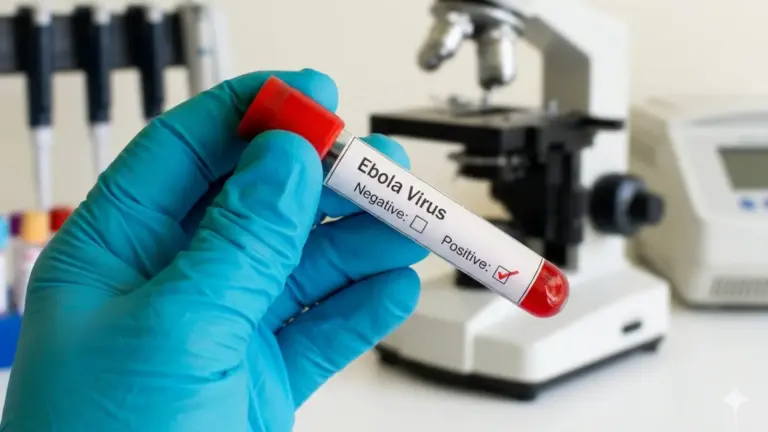
The rumours surrounding the virus and the inability of medical professionals to quickly identify the less common strain of the highly contagious haemorrhagic fever contributed to its rapid spread.
Many patients who reached hospitals died within 24 hours.
Isaac Nyakulinda, a civil society official in the Rwampara health area, said that in isolated areas, infected people “die at home and their bodies are handled by their family members”.
“We, the population, did not really know if it was an epidemic,” he said. “We regret that the government intervened late,” he added.
Sebushishe said that despite widespread beliefs, the outbreak is real.
“Some people will say it is magic, others will refuse to believe it or say we are making up the figures, while others say we are downplaying it for various reasons,” he said.
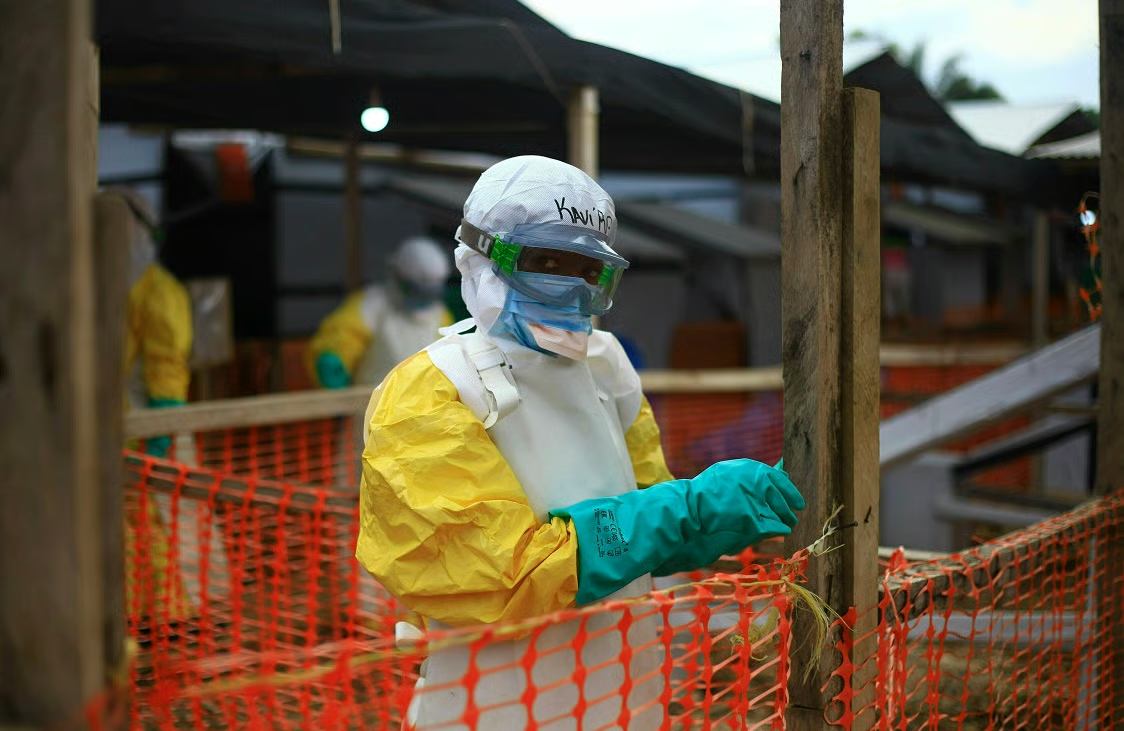
According to him, the country’s health infrastructure faces major technical and financial limitations in detecting outbreaks such as Ebola. Five healthcare workers have been affected, four of whom have died.
“Healthcare workers are at high risk,” he said.
Read More : Kenya Confirms Second Ebola Death
“As part of our humanitarian work, we are currently focusing on training these workers to identify the disease early, isolate patients, treat them, and protect themselves.”
By the time rumours about the mystical nature of the illness began to fade, locals said there were already 246 suspected cases, including 65 deaths.
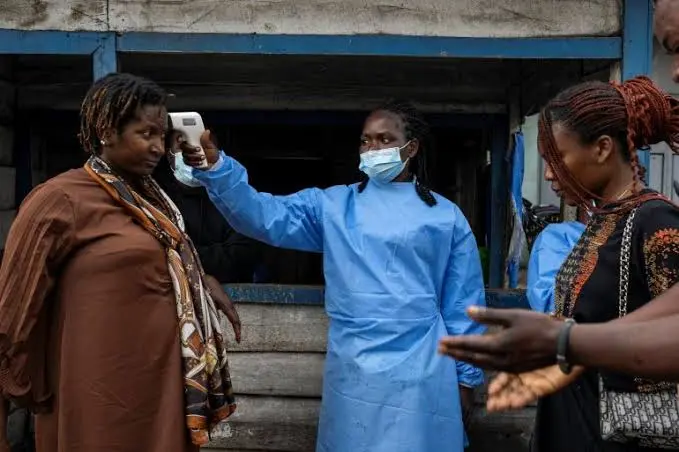
The country has also been struggling to isolate people suspected of being infected with the Ebola virus since the start of the outbreak.