Trending

The Ebola outbreak in the Democratic Republic of Congo has now spread to a fourth province, meaning the entire northeast region of the country is affected.
The World Health Organisation (WHO) says the outbreak has so far recorded 1,274 confirmed cases and 360 deaths.
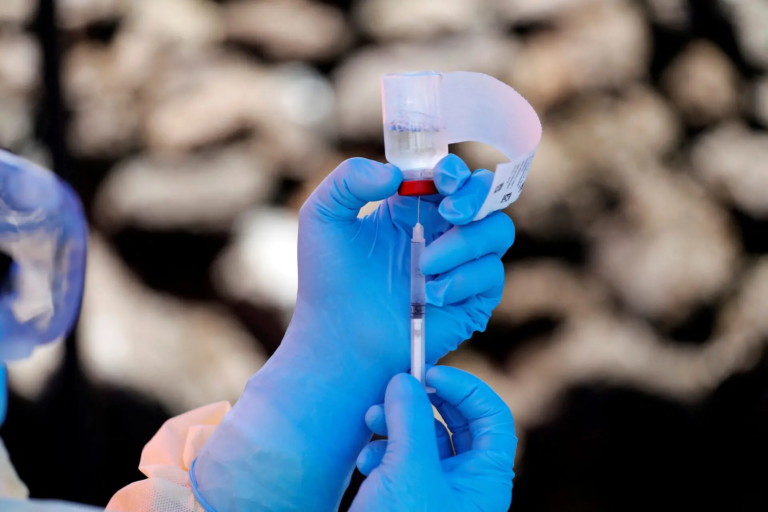
The DRC declared its 17th Ebola outbreak on May 15. This time, it is caused by the Bundibugyo strain, for which there is currently no vaccine or specific treatment.
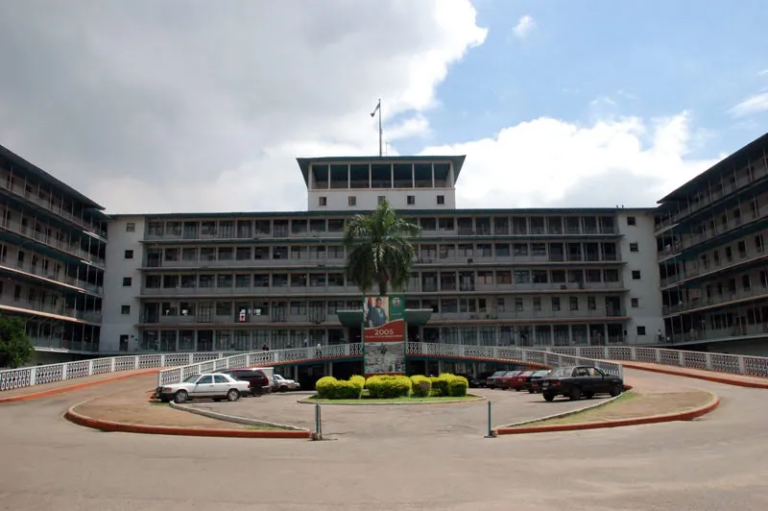
Read More : UCH Resident Doctors Suspend Warning Strike
Clinical trials are expected to begin in the coming days, the WHO said, as it continues to monitor the spread and coordinate response efforts. The outbreak is centred in the conflict-hit Ituri province, which alone has reported 1,165 cases and 301 deaths.
Scientists and aid workers say the real figures may be higher, as access to some affected areas remains difficult.
Until recently, the provinces of North Kivu and South Kivu were also affected. Now, Haut-Uélé province has recorded its first confirmed case.
Health officials said the infection was detected after a patient travelled from Bunia, the capital of Ituri, into Haut-Uele. The patient has since died, according to a source at the National Institute of Biomedical Research (INRB) who spoke to AFP. Another health official confirmed the death and said contact tracing is now underway to track possible spread.
In Uganda, across the border, 20 cases, including two deaths, have also been reported.
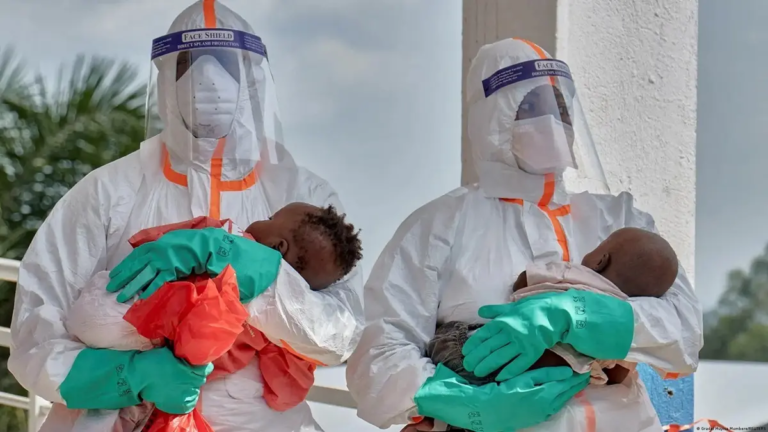
Read More : MSF Warns Children Face Deadly Ebola Risks
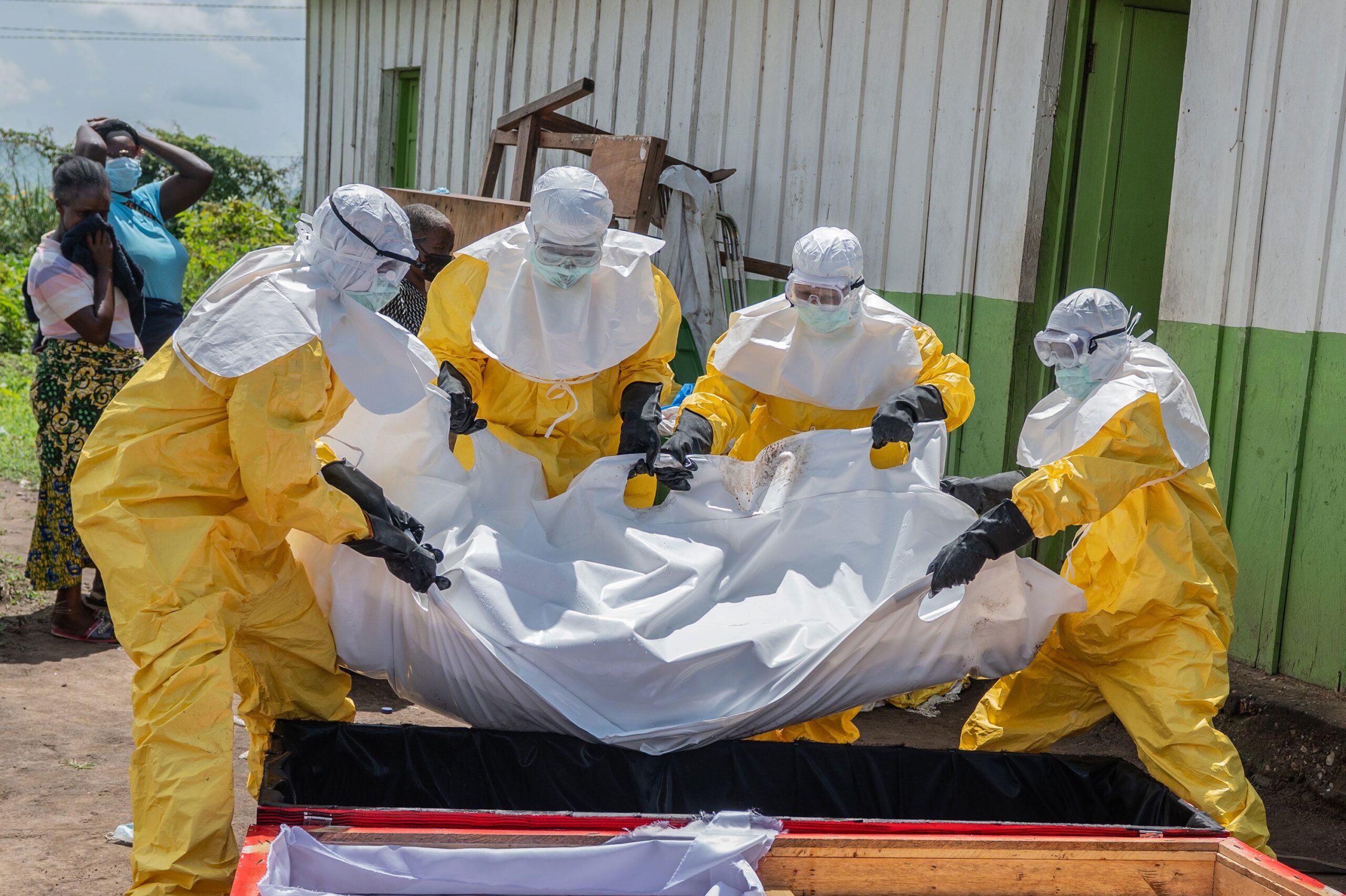
Health workers say one of the biggest challenges is controlling transmission during funerals, where traditional practices involve close contact with the bodies of the deceased, which are highly infectious.
Aid workers have also reported resistance in some communities, where families have clashed with health teams over safe burial procedures.
Authorities are now intensifying efforts to trace infections and contain the outbreak before it spreads further.